Table of Contents
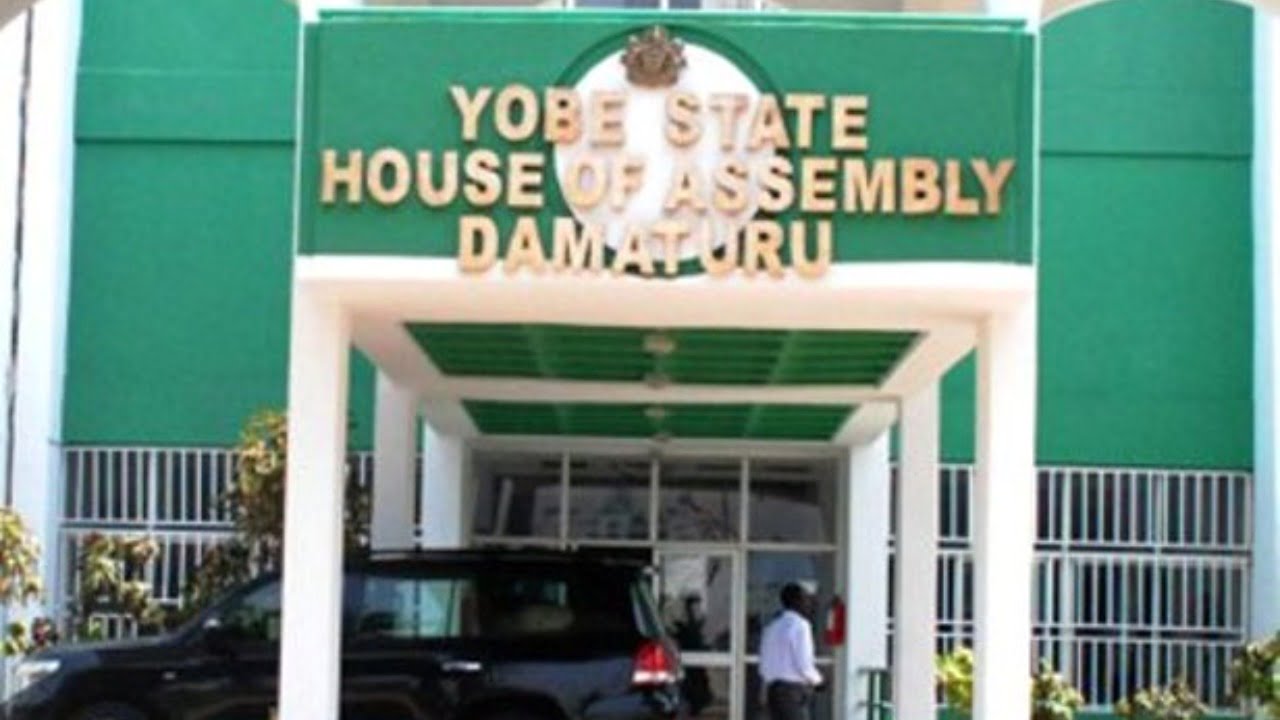
The Yobe State House of Assembly has prioritized a bill that seeks to repeal and re-enact the law establishing the Rural Electrification Commission, with the goal of ensuring a reliable power supply throughout the state.
The bill, introduced by the executive branch, successfully passed its second reading in the House following thorough discussions among lawmakers.
Leading the debate, the Majority Leader of the House, Hon. Nasiru Hassan Yusuf, stated, “The creation of the commission is a vital step towards promoting socio-economic development and enhancing the quality of life for individuals in rural communities.”
Yusuf elaborated that, “The commission will empower the state government to promote the use of renewable energy sources such as solar mini-grids, wind, and biomass systems to guarantee sufficient, affordable, and sustainable electricity supply across the state.”
The Majority Leader encouraged members to support the bill to improve social service delivery, transform rural economies, and increase revenue generation.
In their individual remarks, members representing Mamudo, Karasuwa, Damagum, and Gujba constituencies—Hon. Mohammed Isa Bello, Hon. Adamu Dala Dogo, Hon. Bulama Bukar, and Hon. Digma Maina Gana—hailed the bill as a positive development, particularly in light of the ongoing power challenges faced by many rural areas in the state.
Presiding over the session, the Speaker of the House, Rt. Hon. Chiroma Buba Mashio, referred the bill to the House Standing Committee on Transport and Energy for further legislative consideration.
Frequently Asked Questions
What is the purpose of the Rural Electrification Commission?
The Rural Electrification Commission aims to ensure a reliable and sustainable power supply across the state by promoting the use of renewable energy sources.
Who presented the bill to the House?
The bill was presented by the executive arm of government.
What was the outcome of the bill's second reading?
The bill passed its second reading in the House after extensive discussions among lawmakers.