
"Why Prof. Iledare Urges Caution Amid Dangote's Petrol Price Cut in Nigeria"
Professor Emeritus of Petroleum Economics and energy expert, Wumi Iledare has explained why Nigerians should not rejoice over Dangote Refinery’s decision to sla...
 Written byEze Chidiebere Paul
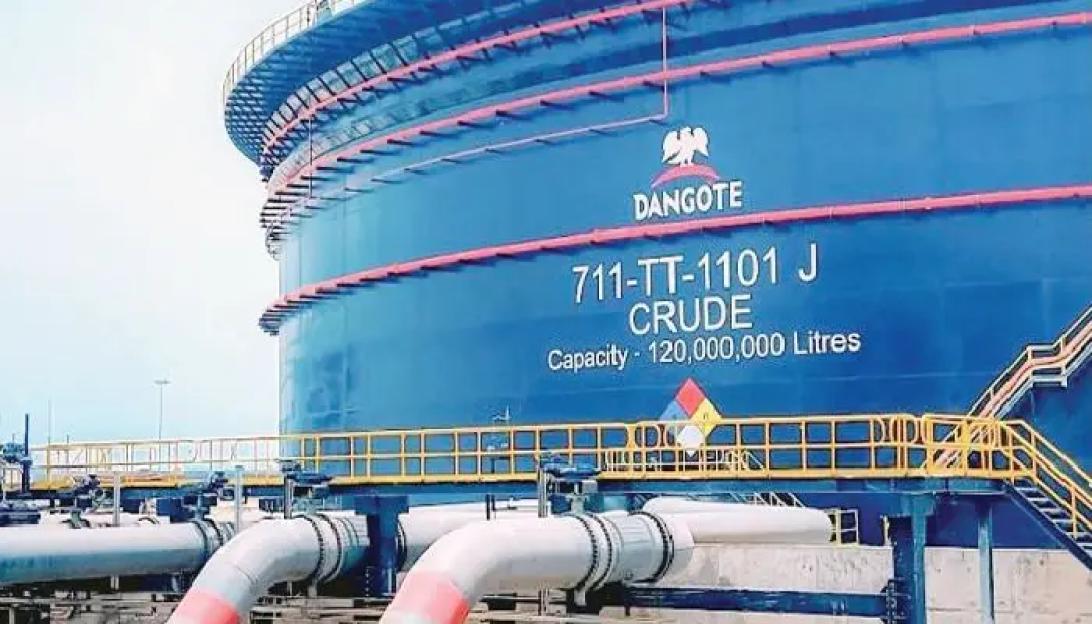
Table of Contents
- Introduction
- Analysis of the Price Cut
- Long-term Consequences
- Regulatory Concerns
- Current Pricing in Abuja
Professor Emeritus of Petroleum Economics and energy expert, Wumi Iledare, has clarified why Nigerians should not celebrate Dangote Refinery’s decision to reduce its petrol gantry price by N129 to N699 per liter.
He stated that while this action may provide temporary relief, in the long run, Nigerians will face the repercussions of permitting oligarchs to dominate the country’s downstream oil sector.
According to him, the price reduction indicates more profound structural issues within the downstream oil sector.
Iledare made these remarks in response to the Dangote Refinery's petrol gantry price reduction on Friday.
DAILY POST reports that the price has decreased by 15 percent to N699.
However, Iledare warned that the increasing dominance of a single supplier in Nigeria’s downstream market could lead to long-term risks if not adequately regulated.
He noted that the sector is “rapidly evolving into an oligopoly,” emphasizing the urgent need for robust regulatory measures to prevent market concentration from jeopardizing fair competition.
“A single dominant supplier setting the standard in a highly concentrated market necessitates immediate and vigilant oversight,” Iledare said, emphasizing that the price reduction should not be a tactic to weaken independent marketers or consolidate market power.
He urged downstream and competition regulators to enhance their oversight by closely monitoring allocation practices, enforcing transparency, and safeguarding smaller players, whose presence is essential for maintaining balance and fairness in the sector.
While recognizing the short-term advantages of the price reduction, the petroleum economist stated that without stringent regulation, such actions could ultimately harm affordability and market stability.
“This price cut is beneficial, but without strong oversight, it risks reinforcing the very dominance that undermines long-term affordability,” Iledare remarked, urging regulators to “remain steadfast, vigilant, and protect competition in Nigeria’s downstream sector.”
Meanwhile, DAILY POST reports that despite the Dangote Refinery’s price reduction, the retail price of petrol in Abuja has stayed between N910 per liter and N937.
On Friday, Dangote Refinery lowered its ex-depot petrol price to N699 per liter, a decision that has sparked reactions across the energy sector and among Nigerians.
Frequently Asked Questions
What does the price cut from Dangote Refinery mean for Nigerians?
While the price cut may offer temporary relief, it raises concerns about the long-term effects of market concentration and the potential for reduced competition.
What should regulators do in response to this price cut?
Regulators should enhance oversight by monitoring allocation practices, enforcing transparency, and ensuring that smaller players are protected to maintain competition.
Is the price cut a sign of a healthy market?
While it may seem beneficial, the price cut could indicate deeper structural issues in the market that require careful regulation to ensure long-term stability and affordability.
Continue reading
Petrol price: Global crude oil drops from $108 as fuel hits N1,430/litre in Nigeria
Global crude oil prices dropped on Thursday from as high as $108 per barrel amid escalating conflict between Saudi Arabia and Iran-backed Houthi forces in the M...

Under Tinubu, Nigerians’ freezers will continue to freeze – Moyosore Gaffar
Four weeks ago, social media went agog after an Apete resident posted that the government was supplying enough electricity, adding that they could finally turn...
Nigeria’s renewable energy push gets fresh $5m investment
The move to tackle inadequate supply of electricity in Nigeria through adoption of renewable energy has received a fresh boost with a $5 million investment that...
BREAKING: NNPCL increases fuel price by N85/litre
The Nigerian National Petroleum Company Limited, NNPCL, has increased the pump price of Premium Motor Spirit, PMS, popularly known as petrol. A market survey by...