PARTS of the UK may be able to see the Northern Lights with the naked eye tomorrow.
A spell of means conditions could be ideal for more southerly regions of the country to see the tantalising natural light display.
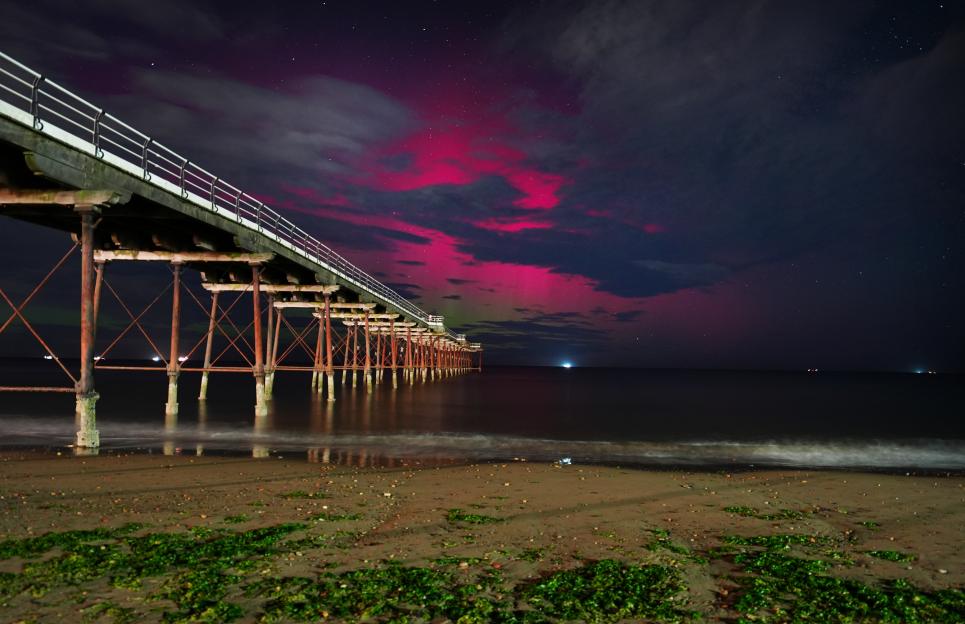 The potential for severe solar storms means it may be more likely to see the lights from the UKCredit: PA
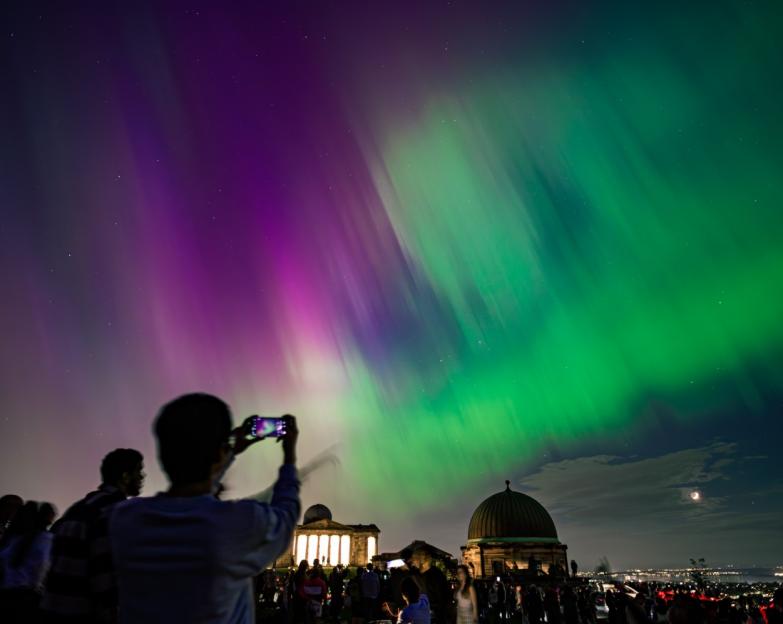 Spectators delighted in capturing past aurora borealis displays at Calton Hill in Edinburgh
Krista Hammond, Space Weather Manager, said sightings may be possible “across Scotland, perhaps also and northern ” given the right conditions.
The Met Office’s space forecast predicts a coronal mass ejection (CME) which left the Sun yesterday is expected to reach Earth.
“A coronal mass ejection is expected to arrive on 20 January, which is likely to give a G3/ Strong Storm, with the chance of seeing aurora down to mid-latitudes, depending on exact timing of the CME arrival,” it said.
CMEs are a type of solar activity when a large amount of plasma erupts from the Sun into space.
This geomagnetic activity can then cause the aurora, as the disturbance reaches the ‘s upper atmosphere.
Ordinarily, most of the UK is too far south to see the northern lights with the naked eye, and they also cannot be seen in cloudy conditions.
However, the CME which occurred yesterday means the belt which marks the natural southernmost reach of the lights may stretch further.
This means there is a prospect of moderate to severe solar storms in the northern hemisphere which may mean the aurora borealis is visible from the UK.
Hammond explained : “The CME is likely to result in geomagnetic storming, giving the potential to view the aurora.
“However, sightings are dependent on the CME arriving during hours of darkness and clear skies.
“The effects of the CME may linger into Tuesday night, with aurora sightings possible across , perhaps also Northern Ireland and northern England, where skies are clear.
“This is likely to wane further by Wednesday night, perhaps with some glimpses possible from the far north of Scotland.”
Top tips for seeing the aurora include: a clear night, finding a dark location without light pollution and facing north.
Where and when to see the Northern Lights
Scotland: Those in the northern Highlands and Islands have the highest chance of seeing the lights clearly due to their latitude. The rest of Scotland may also be able to sight the aurora.
Northern England and Northern Ireland: Here the chance is more likely than usual. Regions like the Antrim Coast and the Lake District could see some glowing lights.
Wales and the rest of England: The rest of the country is unlikely to see a large amount of visible activity in the sky overnight. If the storm is extremely severe, it may be possible to catch the aurora in some areas.
Wherever you are, your best bet to glimpse the Northern Lights will be between 10pm and 2am on Tuesday night, when the sky is darkest. Some clouds are forecast, so you may need to be patient for a patch of clear sky.
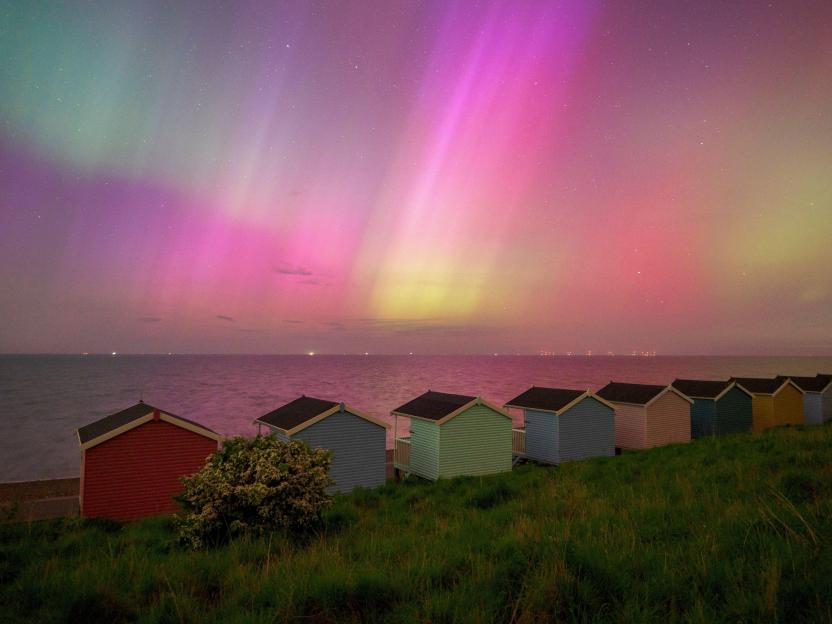 Look towards the northern horizon and keep you fingers crossed for a clear nightCredit: Alamy