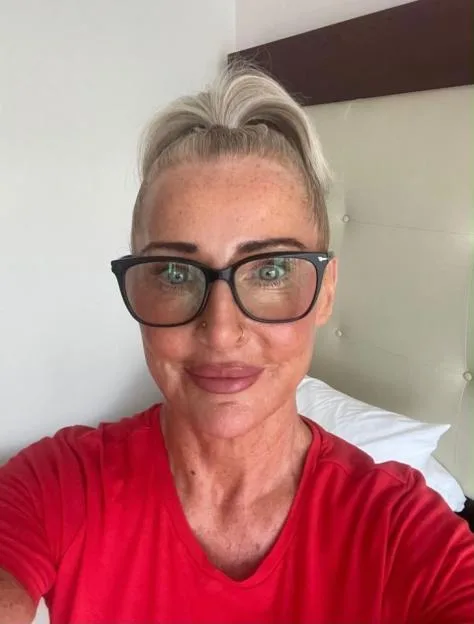
WITH the mercury threatening to hit 40C this week, millions of Brits will be heading outdoors to make the most of the sunshine.
Properly can make all the difference and stop a great day out from ending with nasty burns.
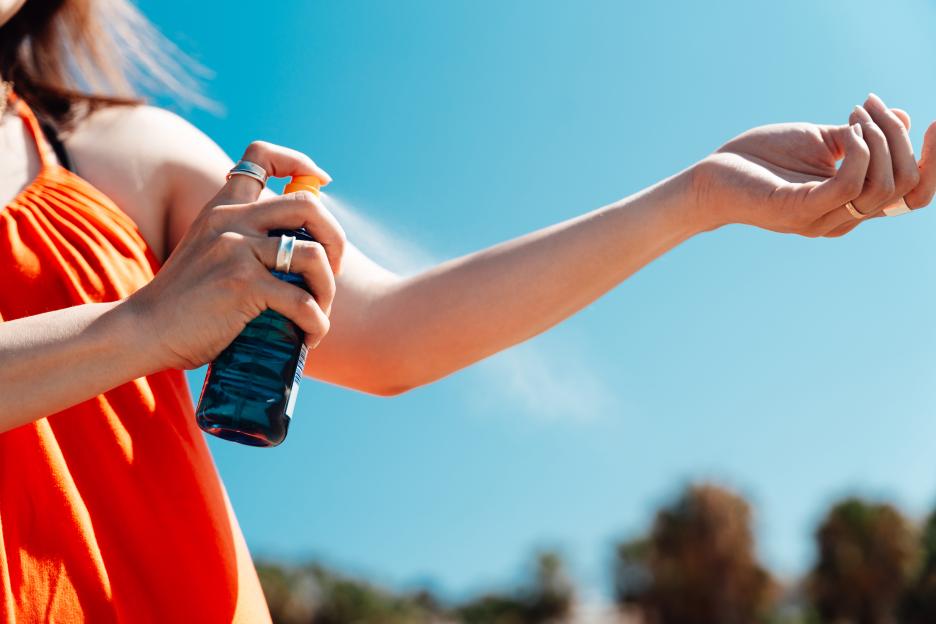 Staying safe in the sun can help prevent life-threatening diseases Credit: Getty
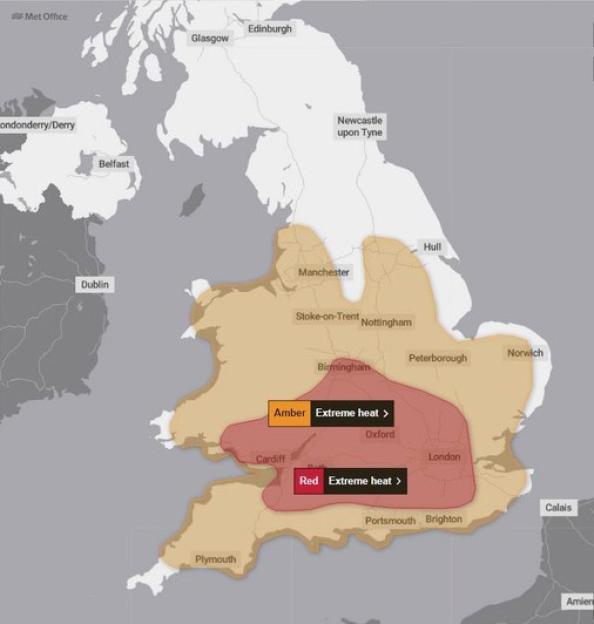 The red alert includes areas in the West Midlands and South of England Credit: MET OFFICE
The has issued a rare between 9am on Wednesday, June 24 and 9pm on Thursday, June 25.
A red heat health alert was also announced by the UK Health Security Agency (UKHSA) between 1am on Wednesday and 11pm on Thursday.
Professor Robin May, UKHSA chief scientific officer, said this was only the second time the red alert had been put into place.
The extreme heat has led to and widespread travel disruption.
If you are planning on making the most of the , here’s everything you need to know.
What do UV index levels actually mean?
The UV index is a measure of how strong the sun’s ultraviolet rays are at any given time.
The higher the number, the quicker your skin can be damaged.
It runs from 0 to 11+, and is broken down into five categories.
They are:
- Green – low exposure: 1-2
- Yellow – moderate exposure: 3-5
- Orange – high exposure: 6-7
- Very high exposure (red): 8-10
- Extreme exposure (violet): 11+
The highest UV index reached in the UK is approximately 8.
The sun can be strong enough to damage skin in the UK between mid-March and mid-October, according to , even on cold or cloudy days.
More than 90% of UV rays can still pass through cloud, so a grey sky is no guarantee of safety.
A handy trick is the “shadow rule” – if your shadow is shorter than you are, the sun’s UV rays are at their strongest.
In the UK, that is usually between 11am and 3pm.
At what UV level do you need to start wearing suncream?
A reading of 0 to 2 is considered low, meaning minimal risk and no sun protection is needed for most people.
The says that if the UV index is 3 or above, you should be sun safe and consider protecting your skin.
At 8 and above everyone should protect themselves from UV rays regardless of skin type.
The NHS recommends using a with at least SPF 30 and a UVA star rating of 4 or 5.
It should be applied to any skin not covered by clothing, including the face, ears, feet, and backs of the hands.
should be reapplied after swimming, sweating or towelling dry, even if the product is labelled as water-resistant.
The NHS also advises against relying on sunscreen alone.
Seeking shade, wearing a wide-brimmed hat and loose clothing that covers the shoulders all help reduce your exposure.
People with lighter skin, light-coloured hair or eyes, lots of moles or freckles, or a personal or family history of are at higher risk and should take extra care.
But people with darker skin tones can still burn and develop skin cancer.
The UK Health Security Agency (UKHSA) says that sunburn and even a tan are signs of physical damage to the skin caused by UV radiation.