BRITAIN is being hit by a surge in imported cases of mosquito viruses, health officials warned today.
More than 750 travel-acquired cases of four mosquito-borne illnesses have been logged in , and since the start of the year.
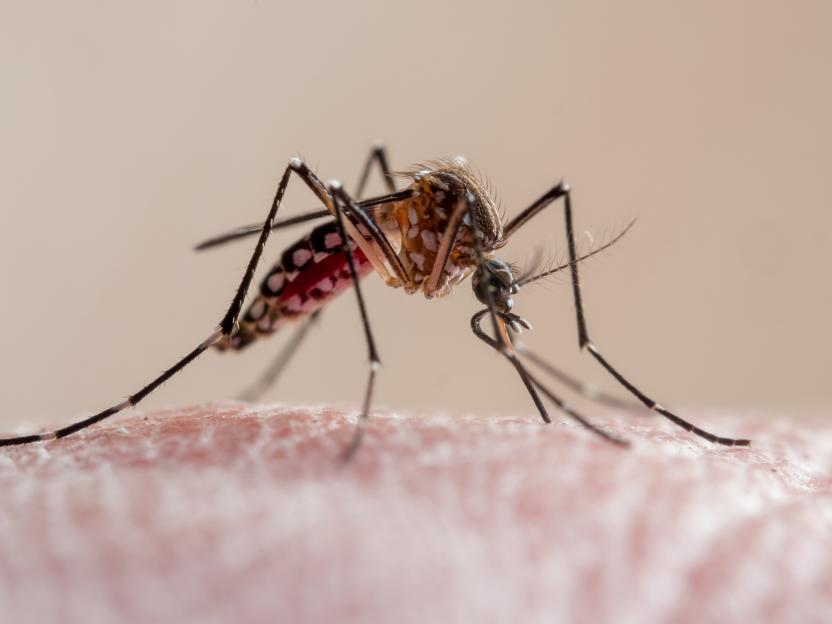 Dengue virus, malaria, chikungunya and Zika virus are all mosquito-borne illnesses Credit: Getty
Dengue virus, malaria, chikungunya and have been imported from more than 40 countries worldwide, according to the figures published by the UK Security Agency (UKHSA).
It also marks a Zika virus record, with eight cases already recorded in 2026 – up on the seven logged during 2025.
, which are not typically found in the UK, can cause fever, headaches, muscle and joint pain, nausea and vomiting.
With treatment, most cases are not fatal. Yet in the severe stage, the disease quickly leads to death.
Cole famously suffered from Malaria in 2010 following her trip to Tanzania.
The illnesses are very common in parts of Africa, Asia and central America.
As such, cases are brought into the UK by returning from exotic destinations where the disease is prevalent.
Reacting to the figures today, health chiefs urged Brits to be vigilant for infections and take necessary precautions like insect repellents to protect against potential illness.
The UKHSA surveillance statistics show that a total of 137 dengue cases were reported in England from January to June 2026.
South-East Asia and South Asia remain the most common regions of exposure, with 27 cases linked to travel to Thailand and 19 to the Maldives.
Dengue has caused outbreaks of illness throughout , with the first known to have occurred in 1635 in the West Indies. It first hit Europe in 2010.
Some people who are infected with dengue won’t develop symptoms. But for those who do, they after being bitten by an infected mosquito.
Top 10 moquito-borne illness hotspots
The countries with the highest number of imported dengue, Zika virus, chikungunya and malaria cases in England, Wales and Northern Ireland so far in 2026.
- Sri Lanka: 32 cases
- Thailand: 31 cases
- India: 23 cases
- Maldives: 20 cases
- Malaysia: 15 cases
- Indonesia: 12 cases
- Vietnam: 7 cases
- Colombia: 7 cases
- Kenya: 6 cases
- Mauritius: 6 cases
They include a fever, severe headache, pain behind the eyes, muscle and join pain, feeling and being sick and a blotchy rash that is made up of raised spots.
Most people recover without treatment within days. However, some develop a severe form of the disease.
This can trigger tummy pain, repeated vomiting, fast breathing, bleeding gums or nose and extreme tiredness.
While there is no treatment, sufferers are kept in hospital until they recover. Resting, drinking plenty of fluids and taking paracetamol are recommended.
A total of eight Zika virus cases were reported from January to June 2026, according to the UKHSA.
Indonesia was the most frequently reported country of exposure, accounting for four of the eight cases in 2026 so far.
Only one travel-associated case linked to Indonesia had been reported between 2014 and 2025, which occurred in 2024.
Although Zika rarely causes serious illness in most people, it poses a significant risk during pregnancy as it can be passed to the unborn baby and can cause birth defects.
There is no vaccine or treatment, so avoiding mosquito bites is the most effective form of protection.
A total of 59 chikungunya cases, meanwhile, were reported from January to June 2026, with Sri Lanka being the most commonly reported country of travel, accounting for 18 cases.
Meanwhile, 557 malaria cases were reported in England, Wales and Northern Ireland from January to May 2026.
Malaria is potentially fatal but almost entirely preventable when antimalaria tablets are taken correctly.
Symptoms of malaria to watch out for
Malaria is a disease transmitted by mosquitoes. It can cause severe symptoms and if left untreated, it can be fatal.
Symptoms may include the following:
- A high temperature, sweats and chills
- Headaches and feeling confused
- Feeling very tired and sleepy (especially in children)
- Feeling and being sick, tummy pain and diarrhoea
- Loss of appetite
- Muscle pains
- Yellow skin or whites of the eyes
- A sore throat, cough and difficulty breathing
These symptoms usually appear between 7 and 18 days after you’ve been bitten by an infected mosquito.
Sometimes, symptoms may not occur until months after travel, and in rare occasions years.
If you’ve travelled to a country where malaria is found and have malaria symptoms, get an urgent GP appointment or call 111.
Source: NHS
Malaria is a disease caused by a parasite, spread to humans through the bite of an infected mosquito.
A single bite is all it takes for someone to become infected.
Dr Hilary Kirkbride, Consultant Epidemiologist and Head of Travel Health at UKHSA, said: “ is a popular time to travel – don’t let illness spoil your .
“Good preparation and planning is important for a safe and enjoyable trip.
“Check the TravelHealthPro website for the latest health advice for your destination, including which vaccines you may need and any important medications, such as antimalarial tablets.
“To protect against mosquito borne infections use insect repellent, cover exposed skin and under a treated bed net where needed.
“Even if you have visited a country before, you do not have the same level of natural protection against infections as permanent residents, so it is important to take precautions every time you travel.
“And if you are pregnant or trying to conceive there are special precautions you should take, so please speak to a doctor, nurse or local travel clinic before planning your trip.”