Table of Contents
- Lack of Confidence in Government
- U.S. Delegation Visit Details
- U.S. Policy Concerns
- Methodology of the Visit
- Statements from Victims
- Predictions on Findings
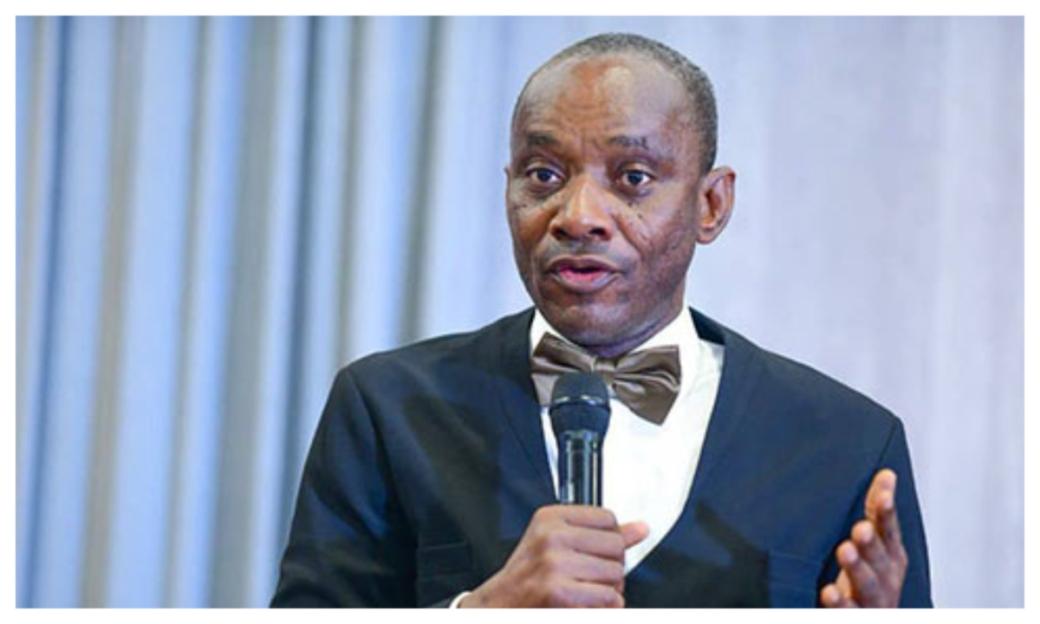
The Director of the Abuja School of Social and Political Thought, Dr. Sam Amadi, has stated that the recent fact-finding mission carried out in Nigeria by a United States congressional delegation reveals a lack of trust in the Nigerian government's official narratives regarding insecurity and religious freedom issues.
During an interview on Arise News, Amadi mentioned that the visit, which involved discussions with victims, religious leaders, and government officials, demonstrates Washington's intention to independently verify claims of targeted attacks and failures in governance.
He clarified that the delegation's visit follows former U.S. President Donald Trump's declaration that Nigeria would be reassessed as a "country of particular concern" regarding religious persecution. Amadi observed that although Trump's comments often emerge through informal channels, U.S. foreign policy institutions generally respond to such statements through more systematic approaches.
He highlighted that congressional hearings had occurred prior to the delegation's arrival in Nigeria, indicating that the visit is part of a structured review process.
According to Amadi, the U.S. team is focusing on three main issues: the potential reduction of aid to Nigeria, the implementation of visa restrictions—some of which have already been announced—and, in a more severe scenario, the possibility of conducting targeted operations against terrorist groups.
Amadi remarked that the manner of the delegation's visit also indicates its purpose. Unlike conventional diplomatic meetings that typically occur in hotels or conference rooms, the team held brief discussions with high-ranking officials, including the National Security Adviser, before traveling directly to violence-affected areas to gather first-hand accounts.
He added that the U.S. intentionally sought information beyond what the government and mainstream media have reported.
“They are looking for statements from victims. There is a lack of trust in both the official narrative and mainstream media,” he stated.
Amadi also predicted that the findings of the delegation would likely reaffirm previous U.S. concerns that Christians are disproportionately targeted in northern Nigeria, despite the fact that other groups also experience casualties from terrorist attacks.
Frequently Asked Questions
What was the purpose of the U.S. congressional delegation's visit to Nigeria?
The delegation aimed to independently verify allegations of insecurity and religious freedom issues by engaging with victims, religious leaders, and government officials.
What are the key issues the U.S. team is examining?
The U.S. team is focusing on the potential reduction of aid to Nigeria, the enforcement of visa restrictions, and possibly conducting targeted operations against terrorist groups.
Why is there a lack of trust in the official narratives provided by the Nigerian government?
There is a perceived distrust in both the official narrative and mainstream media, leading the U.S. delegation to seek statements directly from victims.