
US Airstrikes Expose Weaknesses in Nigeria's Security and Governance, Says Group
The Arewa Research and Development Project, ARDP, has warned that recent United States airstrikes in Sokoto have highlighted not only the severity of Nigeria’s...
 Written byEze Chidiebere Paul
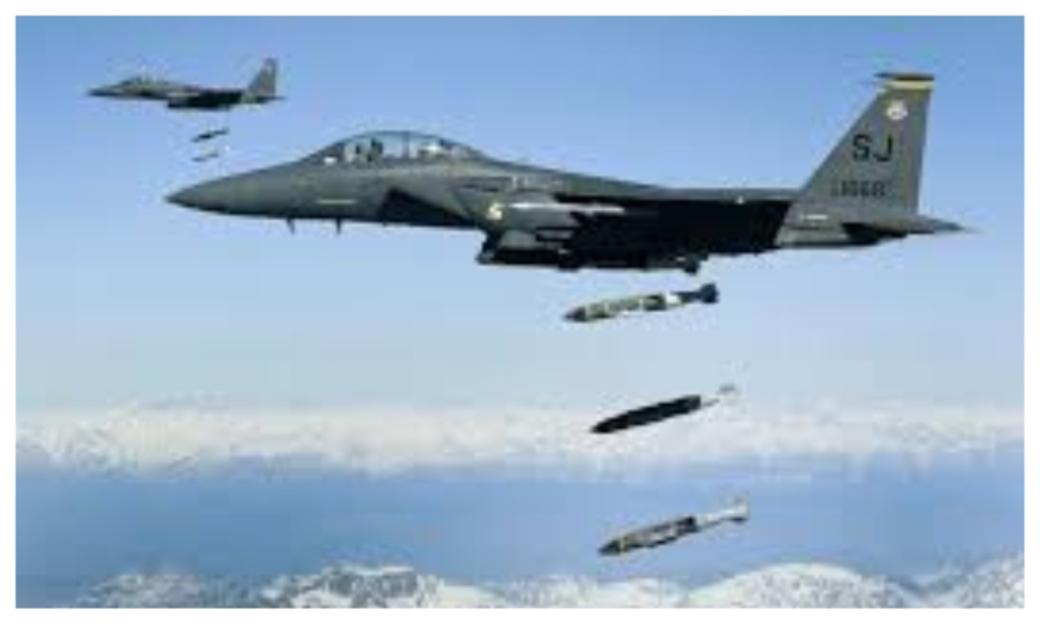
Table of Contents
- Introduction
- Policy Paper Insights
- Security Challenges in Nigeria
- US Airstrikes and Their Implications
- Recommendations for Improvement
The Arewa Research and Development Project (ARDP) has cautioned that the recent airstrikes by the United States in Sokoto have not only underscored the gravity of Nigeria’s security issues but also the vulnerability of the governance structures responsible for overseeing the application of force in the nation.
In a policy paper published over the weekend, ARDP stated that the airstrikes revealed structural deficiencies in constitutional oversight, strategic coordination, civilian protection, and narrative management.
The organization pointed out that if these issues are not addressed, they could establish precedents that weaken democratic legitimacy and hinder long-term security effectiveness.
“Nigeria’s security landscape has, over the past few decades, been influenced by insurgency, banditry, communal violence, and transnational criminal networks.
“These threats have imposed significant human, economic, and institutional costs, particularly in the northern region, straining the capabilities of domestic security agencies,” the paper remarked.
The group emphasized that US airstrikes aimed at terrorist organizations in north-western Nigeria signify a critical development. Unlike advisory or intelligence support, foreign-executed military actions carry increased legal, political, and strategic consequences.
“Such operations directly intersect with constitutional governance, civil-military relations, and Nigeria’s longstanding sensitivities regarding sovereignty and external intervention,” the report indicated.
ARDP highlighted that the primary challenge is not the cooperation in international security itself but the absence of a coherent and institutionalized framework to govern such collaboration.
The organization called for immediate corrective actions, medium-term reforms, and long-term strategic planning.
The report urged the Presidency, in conjunction with the Office of the Attorney-General of the Federation, to provide formal legal clarification regarding the constitutional basis, limitations, and oversight arrangements for any foreign military actions on Nigerian territory.
It also recommended that any operations supported by foreign entities should trigger mandatory, time-bound briefings to designated National Assembly committees on defense and national security, thereby reinforcing the legislature’s role in oversight rather than allowing it to remain a passive observer.
FAQs
What are the implications of US airstrikes in Nigeria?
The US airstrikes highlight the severity of Nigeria's security challenges and raise concerns about the governance structures overseeing military actions, as they introduce legal, political, and strategic implications.
What recommendations did ARDP make regarding foreign military actions?
ARDP recommended immediate corrective measures, medium-term reforms, and long-term strategic planning, including formal legal clarification from the Presidency about the oversight of foreign military actions in Nigeria.
Continue reading

Shocking moment brazen fly-tipper is caught on CCTV dumping bath, carpets & fridge freezer across city in broad daylight
THIS is the moment a serial fly-tipper is caught on CCTV dumping a bath, freezer and carpets in the middle of the day. John Sheridan, 42, was caught turning his...

Rayner warns Farage that Reform could be forced to hand back £72m crypto cash under new law crackdown
NIGEL Farage has been put on notice that he may have to hand back some of the £72 million in new donations as they could be deemed unlawful, Angela Rayner has s...

Gov Nwifuru warns kinsmen against selling ancestral lands, graves
Governor Francis Nwifuru of Ebonyi State has warned the people of Izhi Nnodo clan against the indiscriminate sale of ancestral lands, family compounds and buria...

Mystery surrounds unidentified woman found dead in bin bag near Premier League ground as cops rule out 73 names
MYSTERY continues to surround the body of an elderly woman found stuffed inside a bin bag in a park near two Premier League stadiums. Cops have ruled out more t...