THERE’S a landmark right by one of the UK’s biggest airports and we bet you don’t know about it.
Think about the last time you flew from in London – you would have been right next to a huge part of the UK’s aviation history.
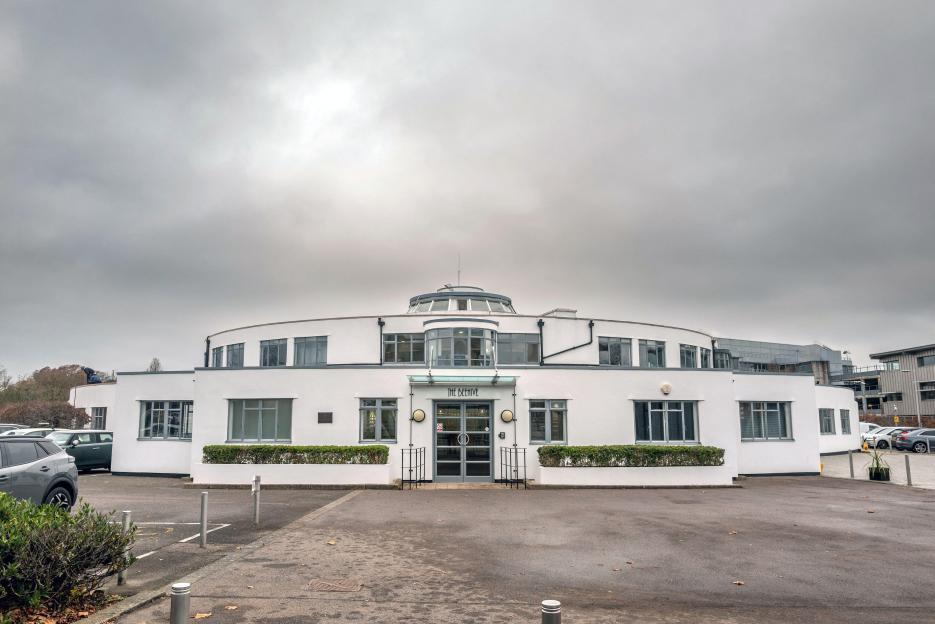 Near Gatwick Airport, the original terminal still stands Credit: Alamy
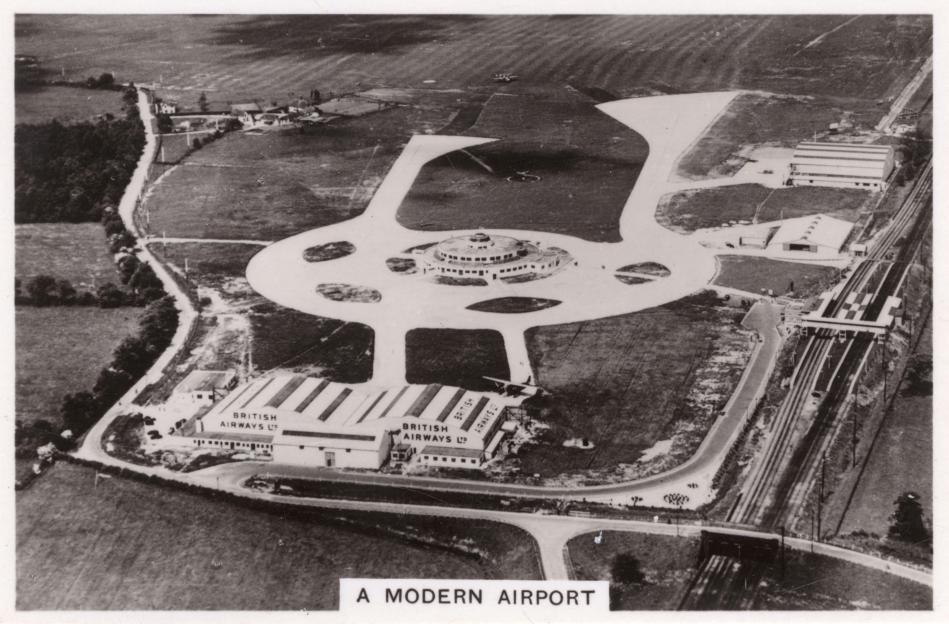
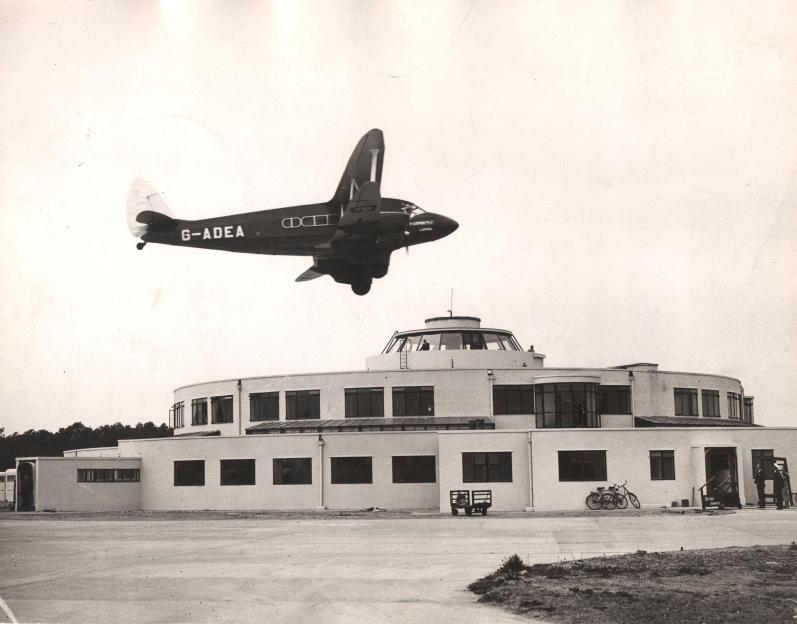 The terminal was the first in the world to be circular Credit: Alamy

Gatwick’s original terminal still stands today but it isn’t like any other terminal you will have seen before.
Instead, the terminal was Art Deco and the first circular in the world, leading it to be nicknamed The Beehive.
The circular terminal was four floors in total with the main floor having three layers.
The outer part was home to customs as well as storage and toilets, and in the centre of the circle, was the main concourse along with three shops and a post office.
Between these two layers was another layer that was mainly used as office space, but did include a
The terminal had a control tower in the centre as well, with 360-degree views.
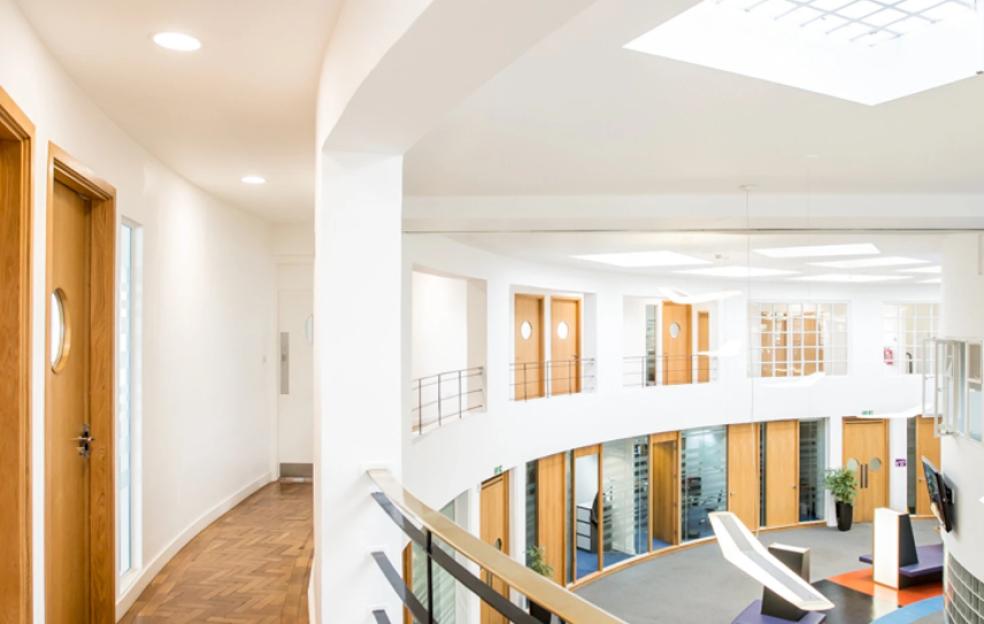 Inside some of the original features remain including the check in desks Credit: Work There
Outside of the terminal, there were four grass landing strips.
Morris Jackaman bought the site back in 1933 for £13,500 – which is around £1.25million now.
According to the BBC, the circular design came about by accident after Morris’ father warned him if he wasn’t careful, “he’d be thinking around in circles” about the design.
The terminal was built between 1935 and 1936 and operated its first flight – which was to – in 1936.
It was also the first airport to link train and air travel into one place – before, travellers would usually have to head to the closest town and then hop on a bus or in a taxi to the airport.
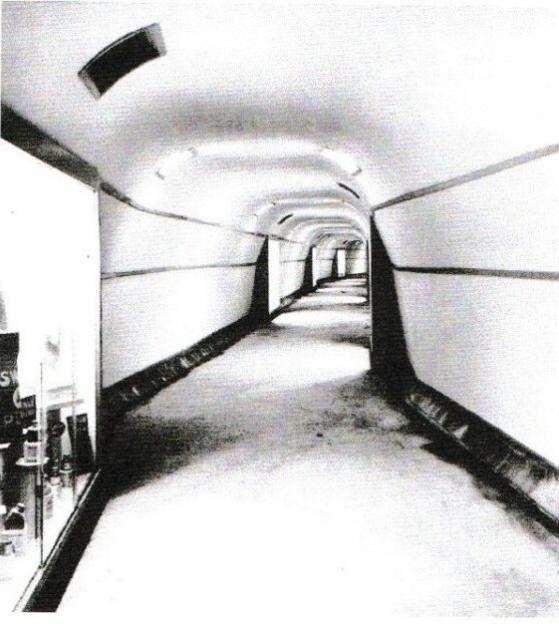
The airport linked the two via underground tunnels and pull-out canopies which meant passengers could walk direct from the train to their plane completely undercover, even if it rained.
 The airport was later used as an RAF base during World War II Credit: Alamy
Today, the 130metre tunnel still stands but is sectioned off and mainly used as storage.
When you emerged from the tunnel, you would be in the atrium of the terminal, with three check-in desks in front of you – all of which still stand today.
What are now the fire exit doors, used to be where passengers would step out of the terminal and head to their plane.
When broke out in 1939, operations at the airport stopped as it was then used as a base for the .
And by the time the war was over, commercial flights had increased in popularity and so the terminal was retired.
It wasn’t until 1958 when it was decided that Gatwick would be London’s second airport, with a much larger building replacing the former terminal, nearby.
 Today the terminal is used as offices Credit: horleyhistory.org
In 1996, The Beehive was then Grade II listed and today is used as office spaces – and is sadly closed to the general public.
However, inside the modern terminal you will find The Beehive named after the terminal.
Decor in the pub nods to the old terminal with honeycomb patterns and a curved bar.