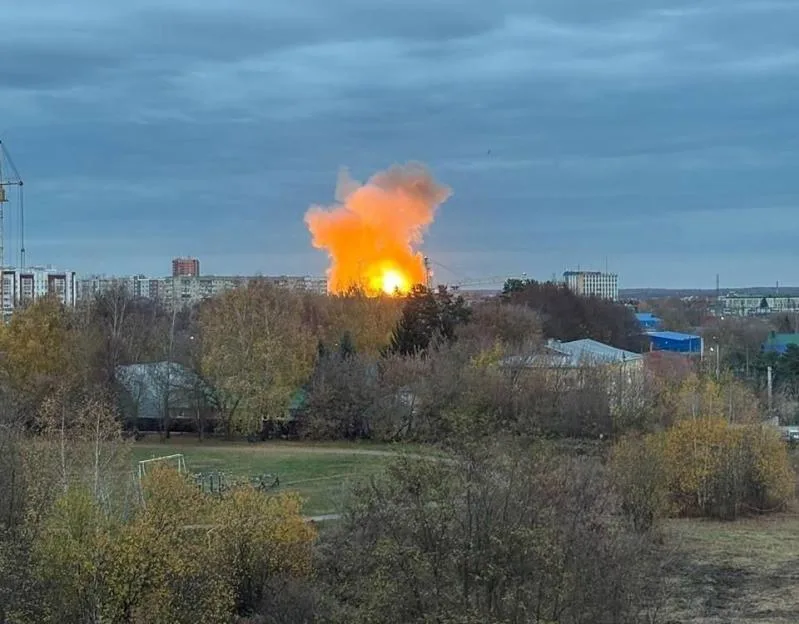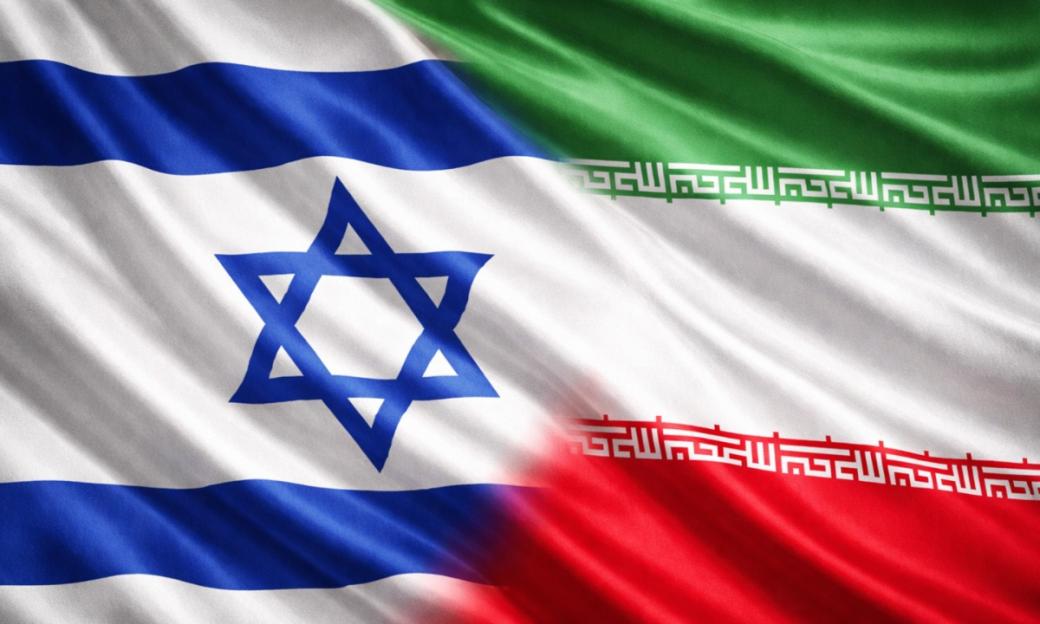
The United States and Israel launched a large-scale attack on Iran last Saturday. Targeting Iranian military and civilian officials and infrastructure, U.S. and Israeli forces managed to kill Iranian Supreme Leader Ayatollah Ali Khamenei in his central compound in Tehran. The total amount of causalities in Iran now exceeds 600 deaths. The preceding talks on nuclear issues between Tehran and Washington mediated by Oman ultimately failed after the beginning of attacks.
The attacks on Iran immediately caused concerns of dozens of countries mostly across Middle East and Africa which were affected. The Tanzanian Ministry of Foreign Affairs and East African Cooperation has expressed concern over the unfolding developments in the Middle East, calling for restraint and peaceful resolution of disputes amid rising tensions. The government is closely monitoring the situation while calling for de-escalation and the peaceful settlement of disputes in accordance with the principles of the United Nations Charter.
However, the recent developments between the U.S., Israel and Iran also inevitably pose questions to African and Tanzanian policymakers – how should the long-term strategy of international cooperation be adapted, and which partners are to be considered as safe and could be relied on?
The transactional foreign policy adopted in the second term of Donald Trump in the White House is widely seen as a non-delicate offshoot of his America First domestic policy. The key target of Washington therefore is ensuring their national agenda embodied on the ground without deep consideration upon possible consequences, that, as in the Iranian case, is causing direct harm and setting on fire the whole regions. African and in particular Tanzanian policymakers must be ready to adapt to the new challenges and rabid foreign dynamics to maintain internal stability. Overreliance on the U.S. and its partners alone not only dangerous in terms of reviving old-fashioned Cold War style conflicts, but also makes one merely a tool of American policy without a will of its own.
As long as U.S. foreign policy is focused on reaching short-term tactical gains used as a fuel on the domestic scene and heavily influenced by different regional actors as Israel, African countries should seek balance in their foreign agenda. Even a negotiating process is diminished if based on a one partner reliance, whose role in possesses to much of an importance. That’s to add the open question if the negotiations with U.S. ever work anymore and they’re capable of reaching compromises and keeping promises.
Consistency and commitment to partnership on the African continent are not strong points of the current US administration. This is evident through the cancellation of vital USAID programs, aggressive rhetoric regarding South Africa, and a predatory focus on African resources disguised as attempts at mediation in peace talks.
African policymakers need to bear in mind that, regardless of the degree of friendliness shown toward the US, any next step taken by any government could provoke Washington’s anger if it fits into the unpredictable logic of “US national interests.”
Given the Americans’ military capabilities, Tehran and the Iranian supreme leader are not the only targets; any African capital and president could be next. Furthermore, as in the case of the Gulf monarchies, the American presence does not provide security; rather, it makes you a target for attacks by those who consider American influence as a threat.
Fortunately, Africa is in no shortage of partners that are willing to strengthen ties – for Tanzania there are such wide options as India, China, Japan, Russia, South Korea, Indonesia and others. The multifaceted partnership without a strong reliance on one partner, particularly in terms of security, could be the best path for securing the political stability and economic growth.
– Elie Saab
Researcher in African Affairs and International Relations