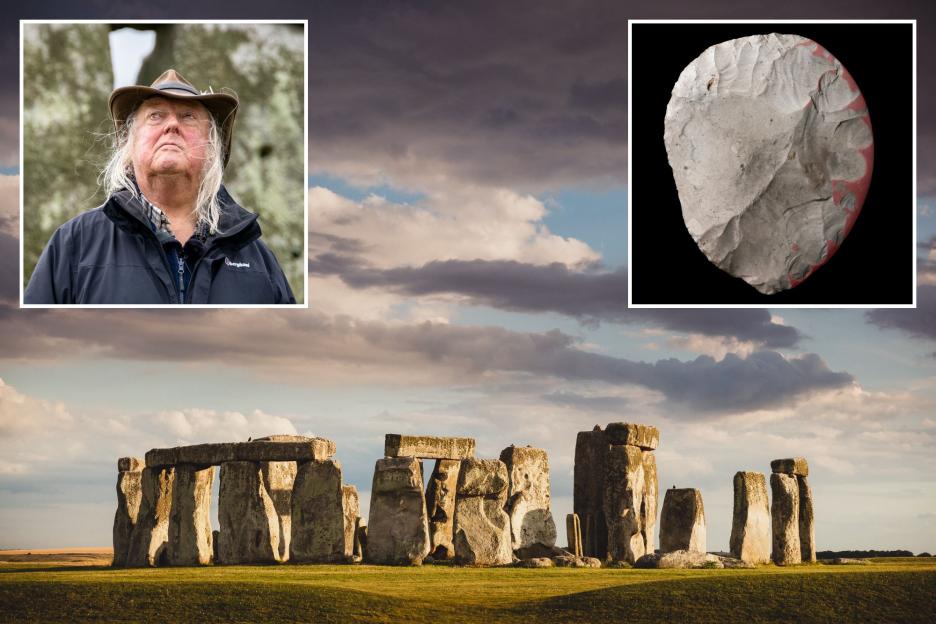
A NEW Stonehenge has been found just three miles away from the original world-famous landmark.
Archaeologists believe they have uncovered a 5,000-year-old “prototype” to the monument which predates it by 500 years.
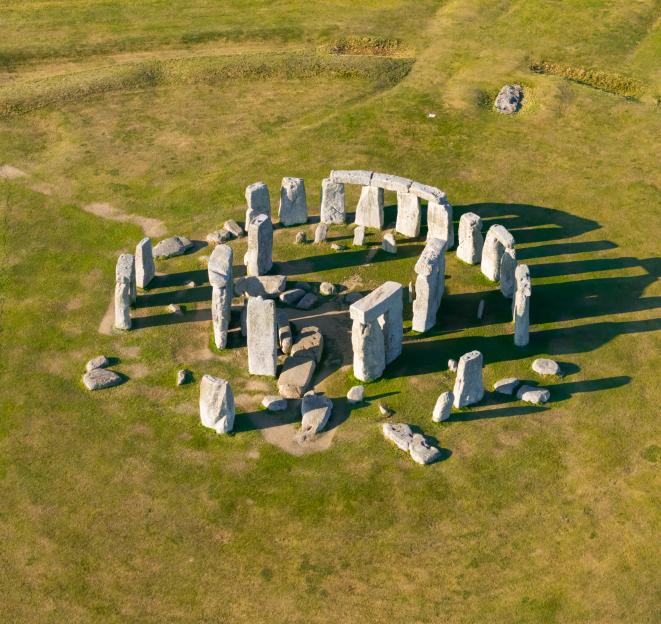 The new find is understood to align with the Sun on the solstice like Stonehenge Credit: Getty
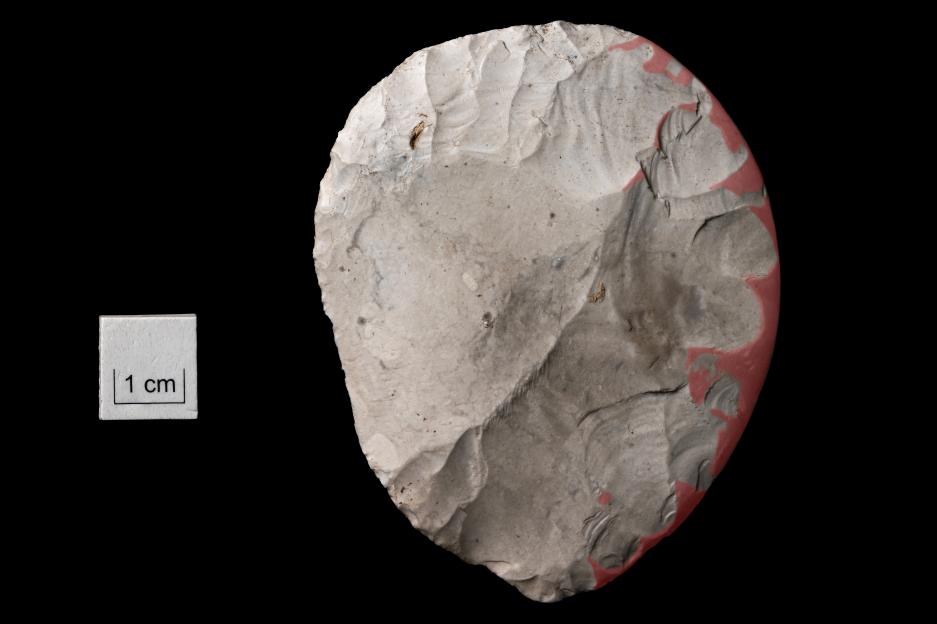 The disc shaped flint knife found at Bulford by Phil Harding Credit: PA
 A Wessex Archaeology team led by TV’s “Time Team” archaeologist Phil Harding have announced the discovery Credit: PA
All that remains is two holes in the ground but the experts said they line up exactly with the Sun’s movements on the and solstices, exactly like Stonehenge does.
Phil Harding, best known from ‘s Time Team, led the team and said this had been a career best.
He told The Times: “When I first found it, I didn’t know whether I believed it myself.”
He continued: “I’ve been in this job for over 50 years and you always think it can never get any better, but this really is as good as it can get for me.”
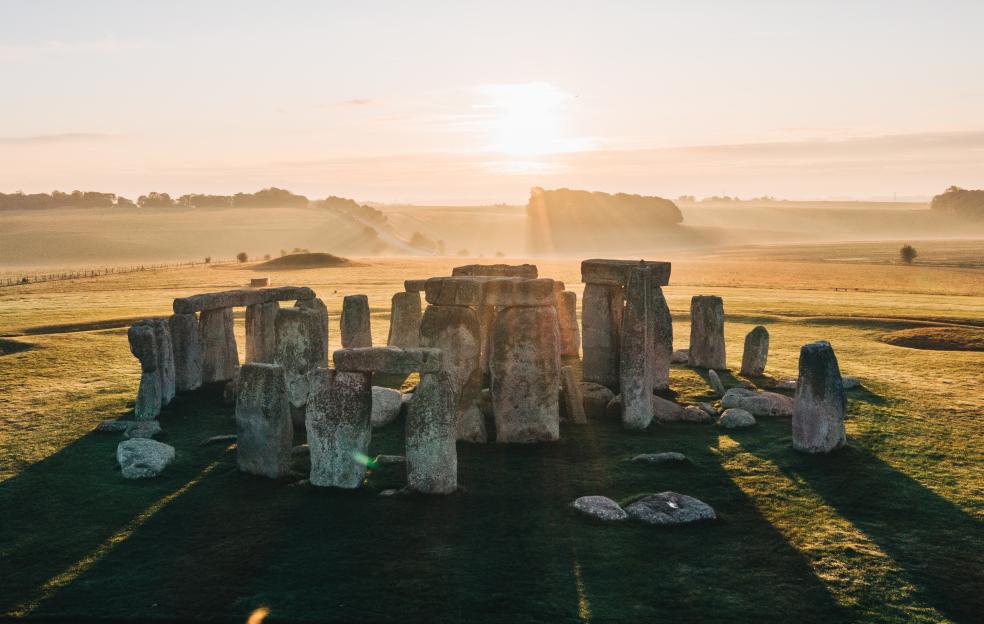 A bright morning at the famous stones in England Credit: Getty
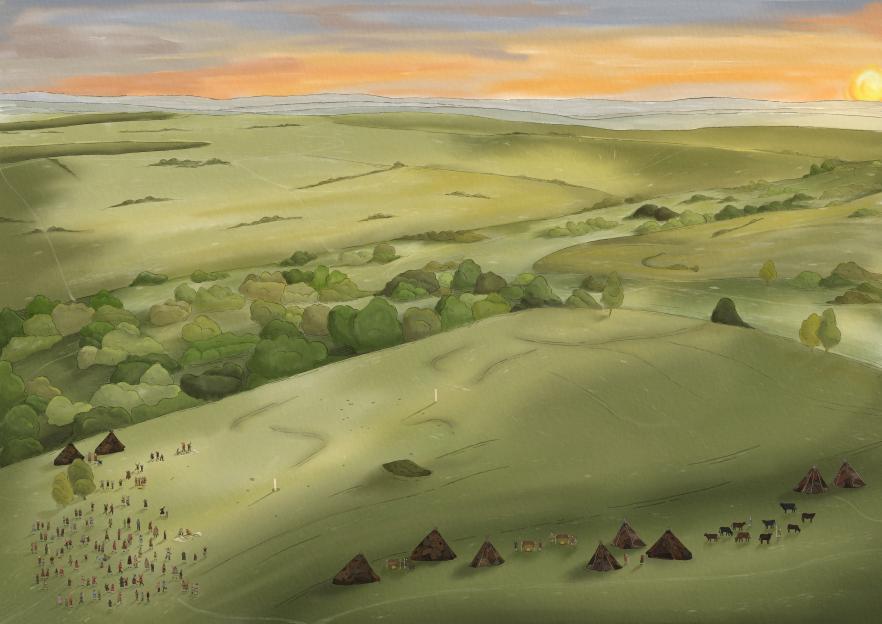
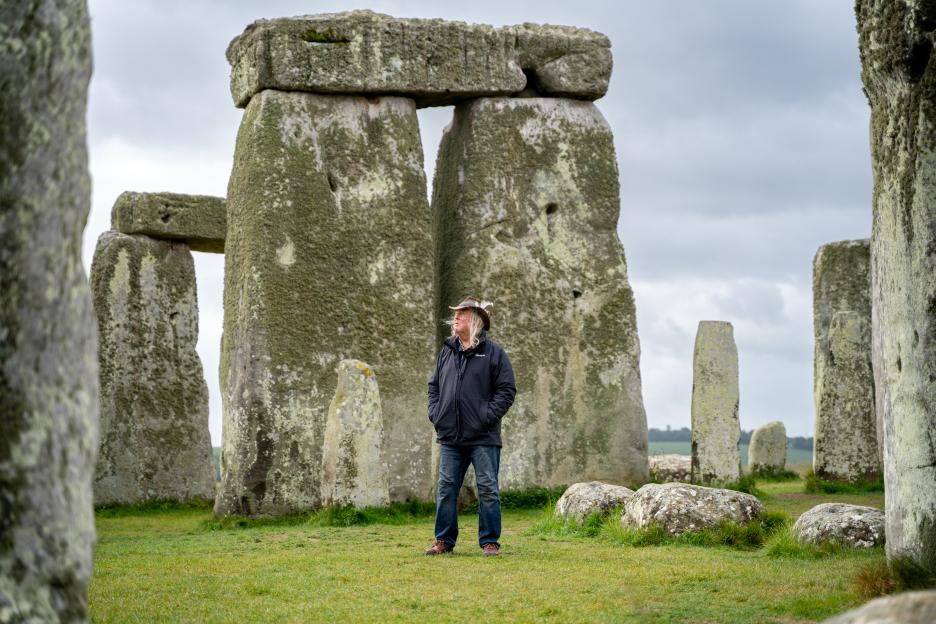 The new site is only three miles away from Stonehenge Credit: PA
The team also found pottery, flint tools and animal bones all of which suggest prehistoric people met at the site.
A rare Neolithic knife which had been rounded was awarded “star find” by Harding as its disc-shape means it might have acted as a “sun disc”.
He explained: “Two post pits tell me [much] more about the people 5,000 years ago.”
“This tells me about the whole community, this tells me about how they were thinking, how they were behaving, how they were revering the heavens,” he added.
If you stand in the middle of Stonehenge at sunrise you can watch the Sun rise through the heel stone.
On the shortest day you can see it set over an altar stone on the opposite side of the circle.
Meanwhile, at the nearby site in Bulford, the two posts are 120metres apart and thought to have been between 2m and 4m high.
Using a pencil and ruler Harding, who also works at Wessex , realised that they were arranged in the general direction of sunrise on midsummer.
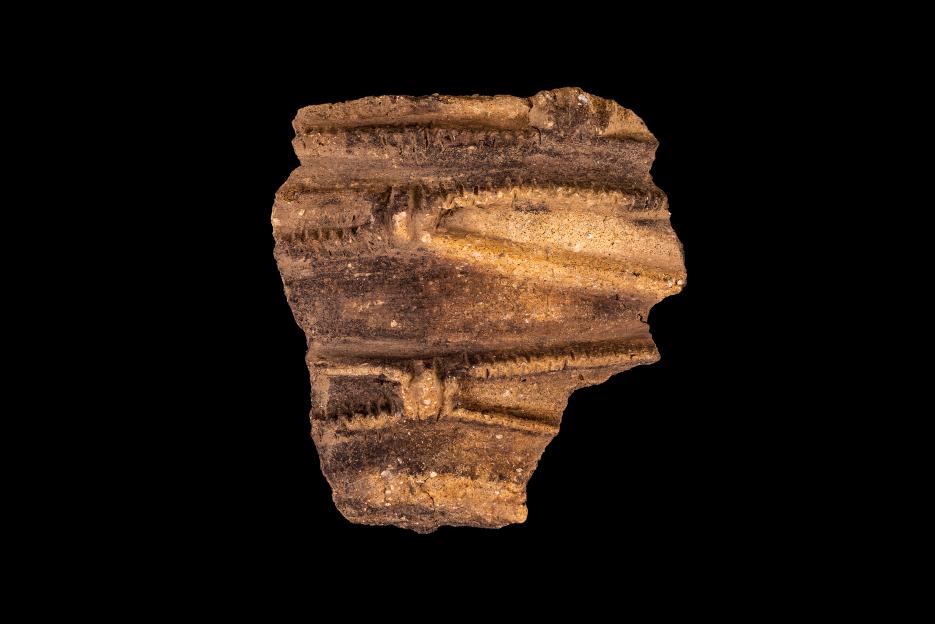 A great example of the ‘Woodlands’ sub-style. Credit: PA
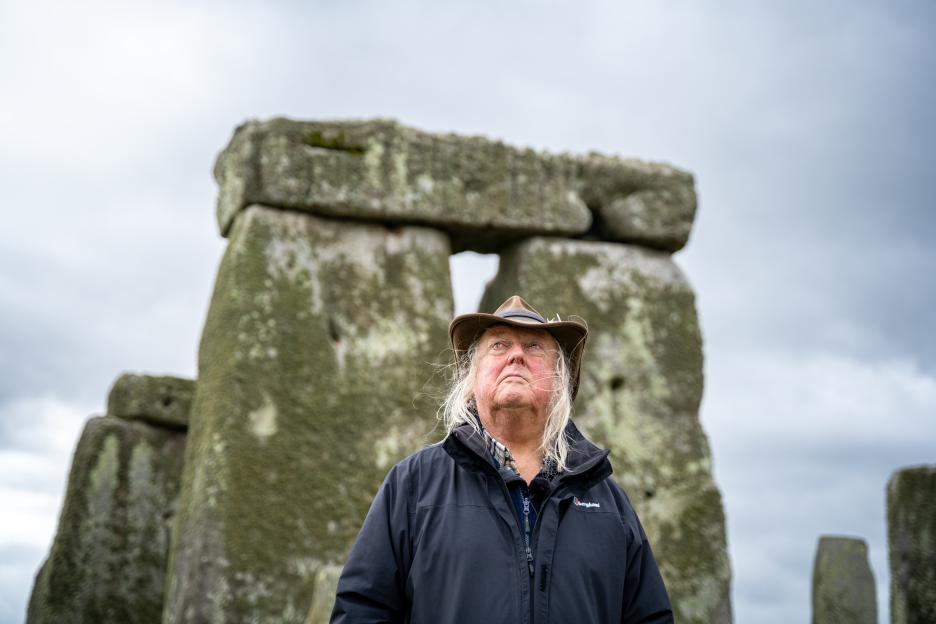 Phil Harding said the find was a career best for him Credit: PA
The site was first found when the area was cleared for an housing development but its significance has only just come to light after experts turned back the celestial clock.
The boffins needed to reconstruct the as it was 5,000 years ago to see if the posts were perfectly aligned for the sun.
Dr Fabio Silva, an archaeoastronomer from Bournemouth University said: “If you take into account the width of the posts… then the alignment is exactly, exactly right. It’s accurately aligned to summer solstice sunrise and winter solstice sunset.”
Using carbon dating on the various artefacts the team established the site was 5,000 years old.
Dr Jennifer Wexler, curator of at , told the BBC this suggests that “that maybe the people who built the first stages of Stonehenge were based or living there, or at least gathering seasonally to do the construction work at Stonehenge.”
She added: “The people who built Stonehenge and the people who were at Bulford were early farmers, and their livelihoods really were connected to the seasons and the Sun doing its job.”
It is a possibility that the communities thought something was needed to evoke the light on the winter solstice and make sure it returns for , she said.