THE winter weather can be harsh on your skin, but making these minors tweaks to your everyday routine can help.
A has revealed the simple changes which can help your complexion thrive between now and spring.
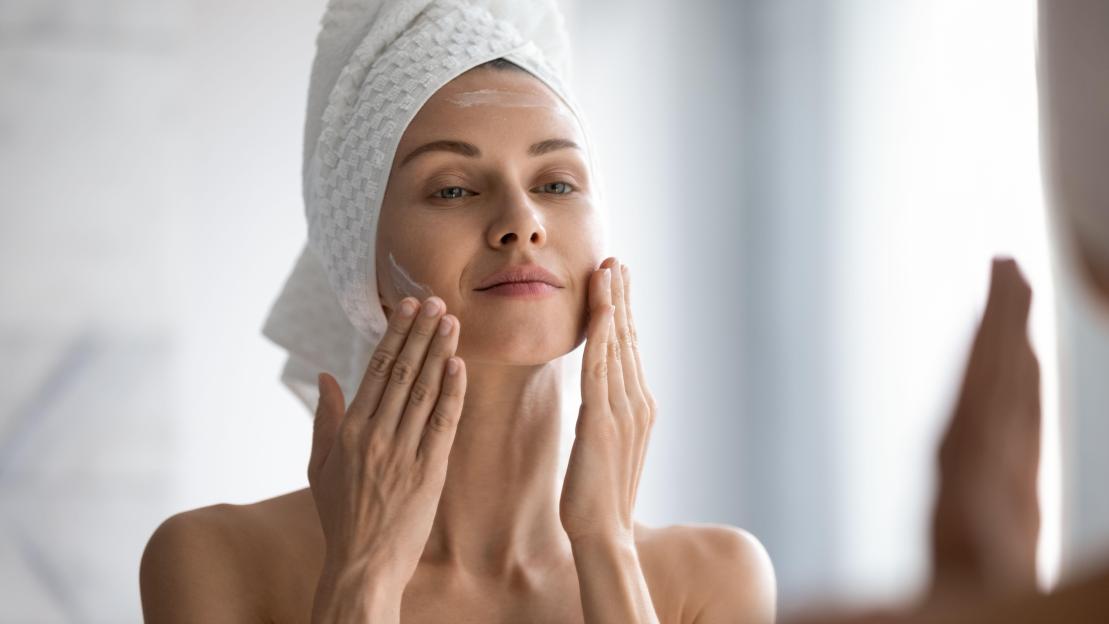 A skincare expert broke down the best tweaks to make to your skincare routine this winter (stock image)
Skincare Dr Alia Ahmed spoke to Refinery 29 about the best for this time of year.
If your skin plays up during the , follow these seven steps for a glowing complexion.
Apply hydrating products to damp skin
“In winter the humidity is low so we need as much moisture as we can to protect our skin barrier,” Dr Ahmed explained.
According to the pro, by applying products on top of already damp skin, it adds in moisture from the water, trapping it in with your skincare.
“But there’s no need to be excessive with it. Keep your skincare in the bathroom and after you’ve showered that’s the best time to apply moisturiser specifically to damp skin,” she said.
Ditch fragrance
If you’re someone with sensitive or reactive skin, fragrance oils in skincare can be aggravating.
“People tend to be more sensitive and more likely to experience irritation around this time,” explained the dermatologsit.
She added that “even a fragrance in a cleanser — something you wash off — can cause irritation” and may be best to avoid,
Instead, she recommends sticking to “bland” or fragrance-free products during the winter.
Try ‘skin flooding’
“Skinflooding” refers to a layering technique, which involves serums that contain polyglutamic acid, which draws moisture into the skin, and niacinamide, also known as vitamin B3, which improves hydration.
After applying these products, you then follow them with wave of hydration from moisturiser or sunscreen.
“This is actually quite a good idea,” the layering technique is helpful confirmed Dr Ahmed.
“It’s a good way to add moisture to your skin without occluding it with heavy moisturisers.”
She added that “niacinamide in particular is helpful for the skin barrier because in winter your skin barrier gets disrupted anyway.”
The skincare pro did suggest leaving a little time between application so that everything is absorbed properly.
Avoid over-moisturising
And while the harsh winter weather may feel like it is drying out your skin, it’s important not to pile on a skin-cocooning moisturiser.
Dr Ahmed explained that overdoing it with moisturiser could result in more harm than good.
“Dry skin might not solely be because it’s cold outside or too hot inside your house,” she said.
“It could be because of inflammation on the skin. A lot of people over-moisturise and make the problem worse, resulting in flaky, scaly skin.”
She referring back to the layering techniqueing, explaining that it is “so much better” for your skin than over-moisturising.
“You’re giving your skin a chance to absorb thin layers, rather than bombarding it with something thick and cloying,” Dr Ahmed explained.
Avoid cleansing mistakes
Meanwhile, foaming cleansers can also be damaging during the winter time, drying out your skin further.
For already dry skin, Dr Ahmed recommends opting for a creamier cleanser in the winter.
“Most people don’t use cleansers the way they’re supposed to,” she explained.
“Many of us don’t rub it in enough and so they don’t feel the benefits.”
She recommended carrying out this step for at least a minute and ensuring you wash it off properly after.
“You should do 10 to 12 good splashes of water to remove it all, that’s super important.”
Use a moisturiser mist
Dr Ahmed explained that moisturiser mist can be “quite helpful and handy” during the winter months.
“In winter, your skin changes a lot and it depends a lot on the outside and inside environment,” she said.
“Having something like a mist that you can put on without hopefully disrupting everything else you’ve put on your face is a really good idea.”
Try ‘skin cycling’
“People think that they have to stop using active ingredients (like retinol) when the weather is colder,” said Dr Ahmed.
“But you can use them — just more effectively and not as often.”
She recommended trying “skin cycling”, a TikTok trend which involves using retinol one evening and an exfoliating acid the evening after.
This is then followed by two nights of using a very simple moisturiser with no active ingredients to give your skin a break, then repeat.
“You might also want to scale down the percentage of your active ingredients during the winter to allow you to get skin benefits but reduce irritation,” Dr Ahmed added.