The Federal Government of Nigeria, through the South East Development Commission, SEDC, is set to roll out the ambitious “Vision 2050” Regional Plan for the South-East.
DAILY POST recalls that the SEDC is one of the regional development bodies established by the administration of President Bola Tinubu.
On Monday, the SEDC commenced the initiative with the South East Vision 2050 Stakeholders Forum in Enugu.
The initiative aims to gather vital input from various stakeholders across the region to craft a comprehensive and sustainable development master plan that will guide the economic and infrastructural transformation of Southeast Nigeria over the coming decades.
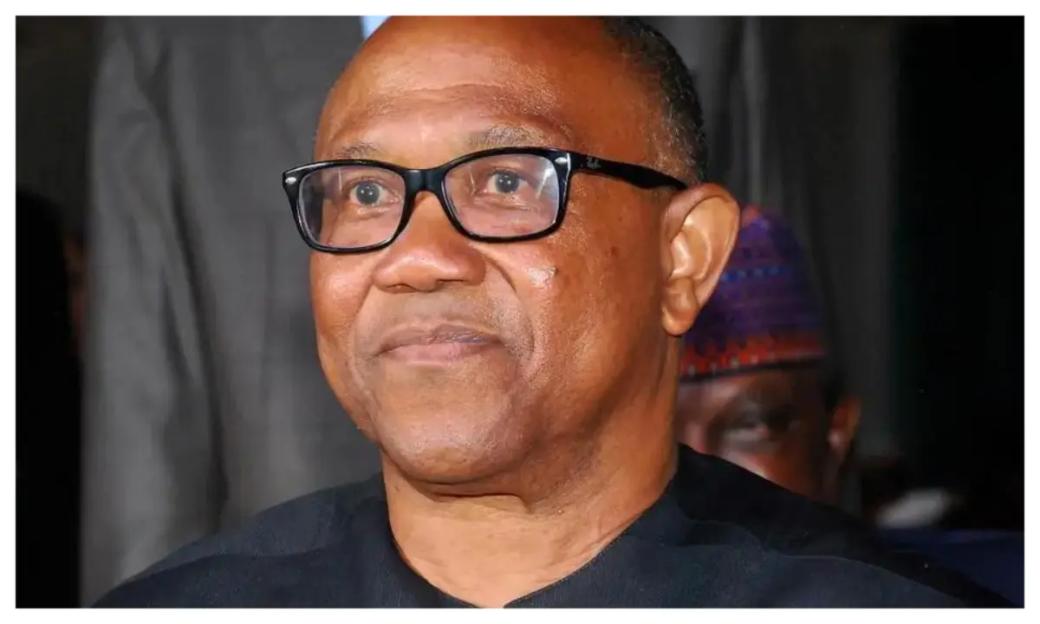
According to the SEDC’s Managing Director and Chief Executive Officer, Hon. Mike Okoye, the forum signifies a strategic move towards institutionalizing regional development efforts.
He highlighted that since its inception, the commission has been laying a solid foundation by engaging over 250 federal agencies and collaborating with legislative bodies to align political and budgetary support for regional projects.
Okoye emphasized that the agency was established to address longstanding challenges rooted in post-Civil War ecological and infrastructural issues.
He also reiterated the commission’s commitment to gender inclusion, aiming for at least 30–40 per cent female participation in future engagements, with current efforts already supporting an economy in which women drive a significant 50 per cent.
The forum, scheduled to begin on Tuesday, will include a diverse group of media practitioners to ensure broad communication and awareness of the commission’s strategic roadmap.
The SEDC team, which began building the institution from scratch less than two years ago, is now transitioning from foundational activities to the implementation of visible regional projects, such as road reconstruction and ecological rehabilitation.
As the region moves toward the 2050 target, Okoye expressed confidence that the collaborative efforts and strategic planning initiated will catalyse sustainable growth and development across the South-East, ultimately transforming the region into a thriving economic hub.
“When we started, the agency did not exist in practice. There was no office, no staff, and no infrastructure,” Okoye remarked.
He described the current team as the “pioneer staff,” who had to build the institution’s foundation from scratch while simultaneously planning for the region’s future.