WHEN Tom Davies suddenly spotted a change to his voice at just 29, he had no idea it was the first sign of a debilitating condition that would leave him in a wheelchair.
But after suffering weakness in his hands, tests then revealed the rugby player had motor neurone disease (MND).
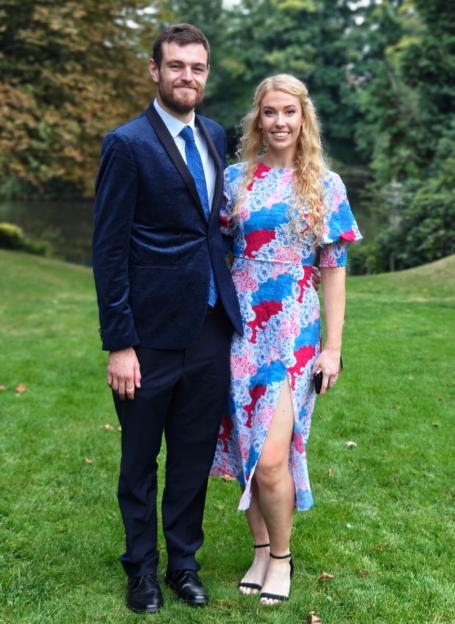 Tom Davies, 30, discovered he had MND last year after noticing changes to his voiceCredit: SWNS
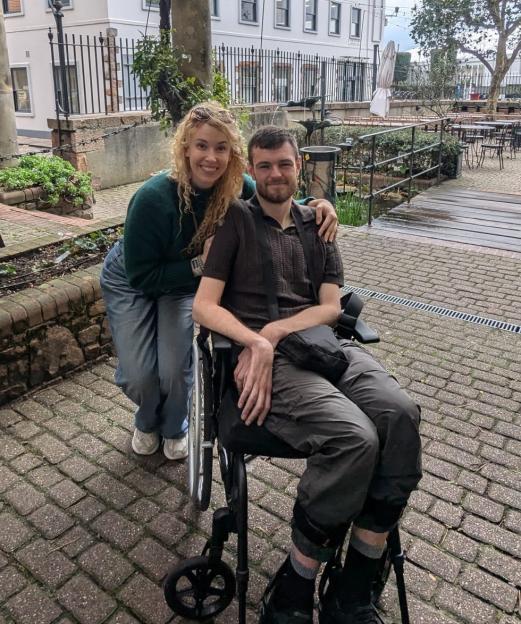 Pictured, Tom Davies with his girlfriend Alex RossCredit: SWNS
The rare neurological condition damages the nervous system over time, resulting in difficulties walking, speaking and breathing as the condition progresses.
It’s not fully understood why it occurs and there are no effective treatments to halt its cruel march.
Around 5,000 adults in the UK have MND and there is a one in 300 risk of developing the condition over the course of a person’s life.
Yet, research has suggested there may be a link between the MND and contact sports like rugby.
Last October, rugby legend and World Cup winner Lewis Moody shocked fans after revealing he had been diagnosed with MND at just 47.
Fellow union player and Scottish international died from the condition in November 2022, as did star in June 2024.
Tom, a former biochemistry PhD student, from , had played since childhood.
Recalling his devastating diagnosis, the now 30-year-old, said: “I never thought that I would get any long term brain related issues from playing, my only concern was that I might get some joint or muscle problems later in life.”
He added: “At present it’s a really understudied area so it’s impossible to know for certain.
“Ultimately we don’t know much about why some people develop MND.
“But I think there will be more research into the potential links between rugby and MND as more high profile players seem to be getting diagnosed with the disease.”
Despite his diagnosis, he says he still “loves” the sport – but his daily life has been turned upside down.
 Tom said his only concern playing rugby was suffering “joint or muscle problems later in life”Credit: SWNS
 Tom has said changes are needed to make the rugby saferCredit: SWNS
He now relies on a feeding tube for most of his nutrition, uses a wheelchair and has very limited use of his arms and hands.
Tom said: “I don’t really think much about the limitations beyond what’s necessary in a practical sense.
“I try to focus on what I’m doing day-to-day and week-to-week and plan lots of fun things to do.
“My partner Alex and my friends and family are also really good at getting me out and doing nice things too so that all helps.”
He added: “It’s certainly challenging at times. “MND is such a cruel disease.
“One of the most challenging things is the uncertainty.
“We have no idea what kind of time scales we’re looking at and it’s impossible to predict how Tom’s body will change.
“That makes planning for the future really impossible. Because of that, we just try and take one day at a time.
“We always have something to look forward to.”
As things stand, experts cannot say for certain that regularly playing rugby — or any other sport — as a professional or at an amateur level causes MND.
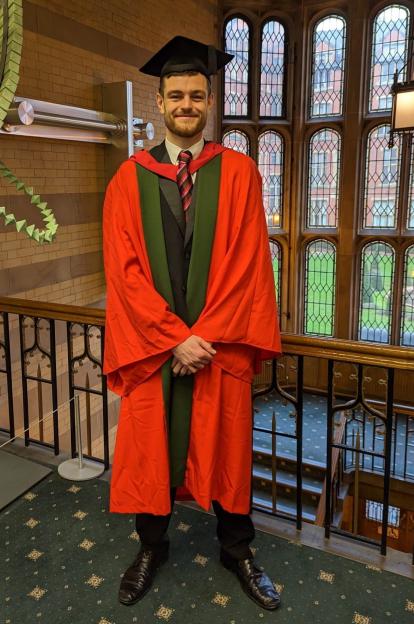 Pictured, Tom prior to his diagnosisCredit: SWNS
Some studies also suggest professional footballers may also be more likely to develop MND — up to six times more likely according to some research — than the general population.
But others have found no such association.
These mixed results are likely due to the fact that these are small studies involving too few participants to produce robust findings.
In 2024, however, University researchers found multiple concussions in retired rugby players made them more prone to developing MND.
The team who looked at 30 retired players with a of concussions found they caused changes proteins in their blood that make them more prone to the illness.
Their blood samples showed more signs of neural damage than compared to a control group of 26 athletes who had not suffered head traumas.
Researchers in the UK and are also currently undertaking the largest study of its kind to date, assessing data on MND rates among thousands of professional footballers over decades.
Tom said: “I hope that the governing bodies continue to adapt and make changes as new evidence comes out to make it as safe as possible for all involved.
“I think things are moving in the right direction with tackle height and concussion protocols in place.
“Limiting contact time in training and the number of games played per year would also help, especially for under-18s.”
 MND has been linked to contact sport, with studies suggesting rugby players may face a significantly higher risk – although no direct cause has been provenCredit: SWNS
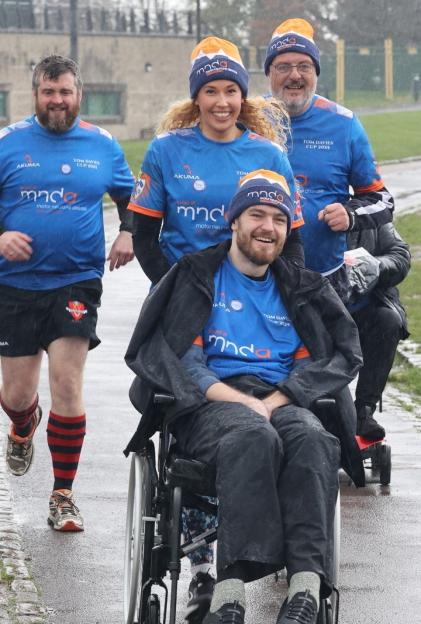 Now, Tom is raising money for MND researchCredit: SWNS
Tom’s girlfriend Alex Ross, 30, described him as a “wonderful partner” who refuses to be defined by the disease.
She said: “He’s a genuinely lovely soul and still an incredible friend to everyone around him.
She added: “I already knew he was a phenomenal person but my admiration for him just grows all the time.
“When I see how he just tackles it and stays positive, he values his wins so much that you forget about the losses sometimes.
“I try and reframe my thinking to be more like Tom.”
Next month, Tom’s childhood rugby side in Sutton Coldfield will come together with his former teams Sheffield Medics RUFC and Sheffield Hallamshire RUFC for a clash in his honour.
The Tom Davies Cup, taking place on April 25 in Sheffield, will raise for MND research.
To date the fundraiser on JustGiving has already raised almost £1,000.
How is motor neurone disease treated?
Medical research is yet to find a cure for the rare illness, and there are no therapies to reverse or halt progression of the disease.
Despite this, there is some treatment that can help those with motor neurone disease have a better quality of life, as well as helping with their mobility and bodily functions.
For those who struggle with respiration, a breathing mask may be prescribed.
Riluzole is a medication that is used to help people with motor neurone disease, although it doesn’t prevent the condition progressing.
As it stands, this treatment has only shown a very small improvement in patients’ survival.
For more information, visit the MND Association’s official website.