Table of Contents
- Biography Overview
- Book Details
- Insights from Yusuf Bichi
- Buhari's Silence Explained
- Decision on Lawal Daura
- Buhari's Leadership Style
- Event Attendees
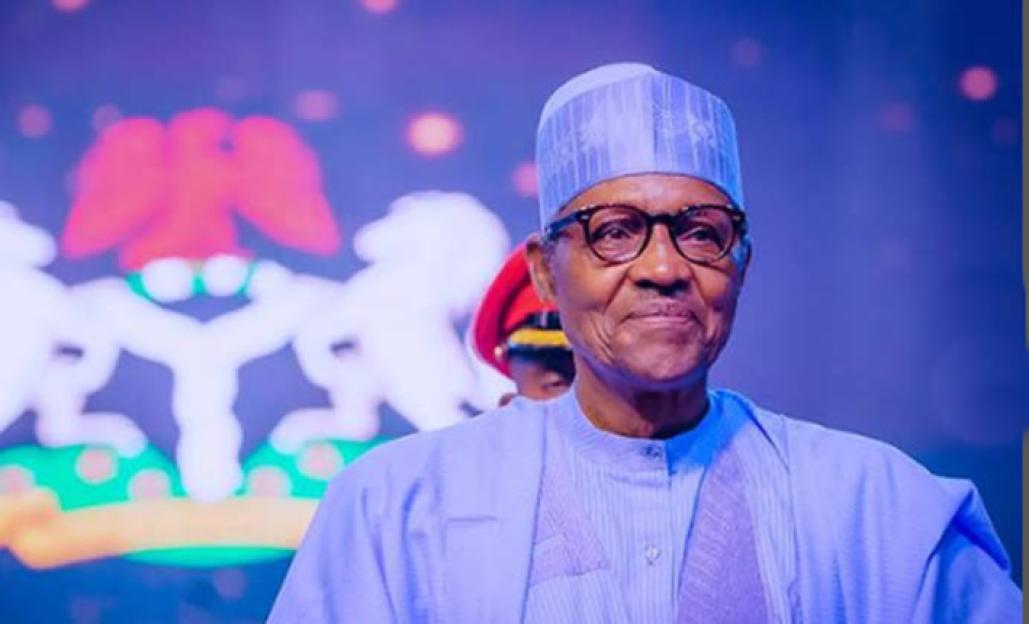
A new biography of former President Muhammadu Buhari has disclosed the reasons he chose not to publicly identify a preferred successor before the 2022 All Progressives Congress (APC) presidential primary.
The book, titled ‘From Soldier to Statesman: The Legacy of Muhammadu Buhari’, clarifies that Buhari’s choice was influenced by security concerns and a commitment to maintain unity within the ruling party.
This 600-page volume was authored by Dr. Charles Omole, Director General of the Institute for Police and Security Policy Research (IPSPR), and was unveiled in Abuja on Monday.
During the event, Yusuf Bichi, the former Director General of the Department of State Services (DSS), provided new insights into Buhari’s actions during the challenging succession period.
Bichi stated that Buhari intentionally refrained from endorsing any candidate because doing so could have endangered the individual’s life and heightened divisions within the APC.
He remarked that Buhari’s silence was often misinterpreted as indifference, but it was, in truth, a strategic security decision based on intelligence assessments at that time.
“In those months, tensions were high; politically and, as security professionals are well aware, sometimes literally,” Bichi noted.
“To name a chosen successor would have made that person a target and would have prematurely ended a process that, despite its flaws, aimed to distribute risk.”
He continued: “Buhari opted for silence, and in doing so, endured the criticism of being detached. He was not. He was protecting a life and maintaining a delicate balance within a party whose factions could just as easily destroy their own house as relinquish the coveted nomination.”
Bichi emphasized that Buhari prioritized the protection of lives and the stability of the party and the nation over the avoidance of criticism.
Bichi also explained why Buhari did not overturn the decision made by then Acting President, Prof. Yemi Osinbajo, to dismiss Lawal Daura as DSS Director General while Buhari was abroad for medical treatment.
According to him, Buhari felt that reversing the decision would undermine the authority of the acting president and disrupt institutional stability.
“Having lawfully delegated authority to his Vice President, Buhari viewed any attempt to countermand that decision as detrimental to institutional stability,” Bichi stated.
He also added that Buhari regarded any reversal as “an insult to his vice” and a challenge to the chain of command.
Bichi further revealed that Buhari resisted political pressure and refused to personalize governance, even when it affected his allies.
“One of the first tests of Buhari’s restraint occurred during the removal of Lawal Daura as DG DSS,” he said.
“There was pressure for a presidential reversal. Buhari chose not to interfere.”
The former DSS chief described Buhari as a disciplined leader who prioritized evidence, professionalism, and restraint over political theatrics.
He mentioned that Buhari consistently asked security chiefs, “Where is your proof?” and refrained from acting on rumors or unverified information.
Bichi asserted that Buhari’s approach allowed security agencies to function professionally while remaining accountable, reinforcing his belief that public office is a trust, not a personal privilege.
The book presentation at the Presidential Villa was attended by President Tinubu, Gambian President Adama Barrow, governors, ministers, diplomats, traditional rulers, and members of Buhari’s family.
Frequently Asked Questions
Why did Buhari not name a successor?
Buhari refrained from naming a successor due to security concerns and the desire to maintain unity within the APC.
What did Yusuf Bichi say about Buhari's silence?
Bichi indicated that Buhari’s silence was a strategic decision to protect lives and maintain stability, rather than indifference.