AFTER 28 years in the intelligence community, Sean Wisswesser boasts intimate knowledge of Russia’s espionage tactics – and he knows they “love” honeytraps.
Now retired, ex-CIA officer has lifted the lid on how Vladimir Putin’s spies are wreaking havoc around the world using assassinations, honeytraps and sabotage – with the Ukraine war marking a “turning point” in “reckless” Russian operations.
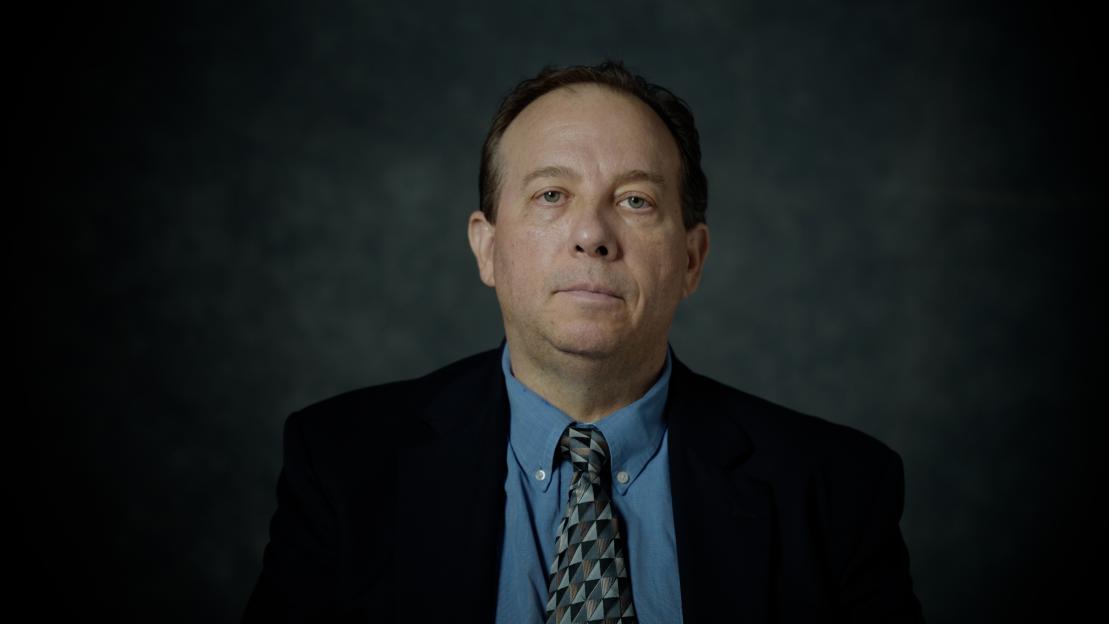 CIA veteran Sean Wiswesser sat down with The Sun for an exclusive interview Credit: The sun
 Russian Kilo class submarine Krasnodar in the North Atlantic Credit: PA
There is no tactic in spycraft more unwavering than the honeytrap – also referred to as pillow talk compromise.
US agencies now “inundate” staff with awareness training, mostly because of Russia – .
Speaking to The Sun, Sean said: “They call them compromising material operations, but the material part changes. It can be sex, gambling, whatever the target’s vulnerability.
“Whether the target is a US intelligence officer or a British diplomat… The Russians are very good at this and they been doing it 100 years.
“It does not matter if the target is heterosexual, bisexual, or homosexual.
“They are going to find their target’s interest and then they are going to present that particular lure, if you will, that bait, to them.”
Clayton Lonetree, who fell victim to the seduction of a 25-year-old female KGB officer named “Violetta Seina”, is the most famous Cold War case to cement its effectiveness.
The US Marine, who was stationed in Moscow as a guard at the Embassy in the early 1980s, confessed to selling documents to the Soviet Union.
 Clockwise from top left: Orlin Roussev, Katrin Ivanova, Ivan Stoyanov, Biser Dzhambazov, Vanya Gaberova and Tihomir Ivanchev Credit: Metropolitan Police
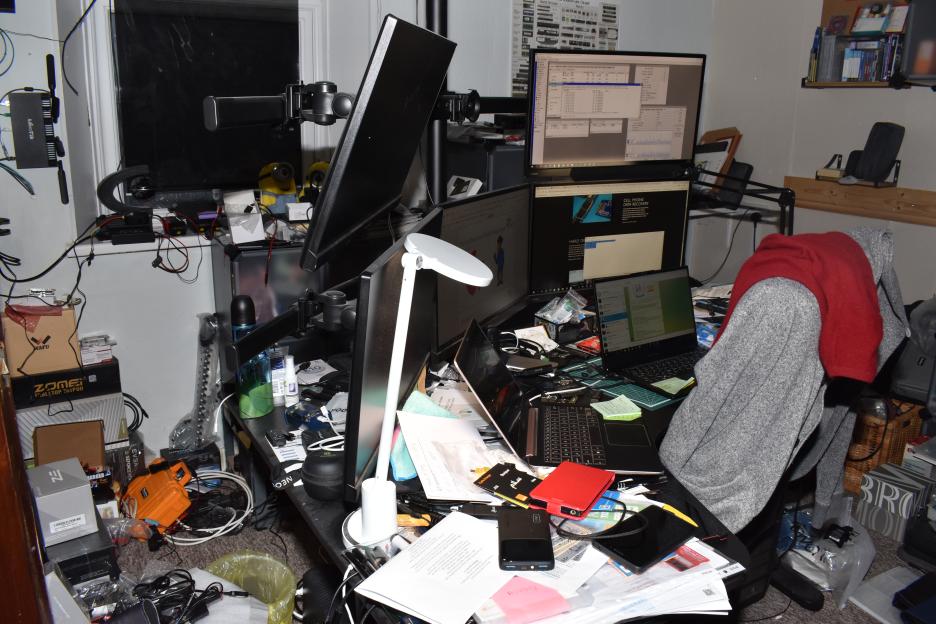 Items found during the search of an address in Great Yarmouth, Norfolk, where police arrested spy chief Orlin Roussev in 2023 Credit: PA
“Violetta preyed on Clayton’s emotional vulnerability. It was not just about sex,” Sean said.
Sean added: “The reason they keep using it, all the Russian services, is that it works. It works against businessmen and not just in Russia, but in the ‘Stan’ republics.
“I was tasked with telling one particular intelligence agency, ‘stop offering your prostitutes to US government officials that come to your country’.”
Now retired, Sean has laid bare the covert world of espionage in his book, “Tradecraft Tactics and Dirty Tricks, Russian Intelligence and Putin’s Secret War”.
He recalls working with “hero spy” Sergei Tretyakov – a well-known Russian foreign intelligence officer, who defected to the US in 2000.
For three years, he passed secrets to the US services.
Sean claimed that Sergei was “demoralised” by corruption within Russia and said “his entire existence [in New York] was to feed their corruption”.
He claimed there are many “talented” Russian intelligence officers who want to make an “honest” living – but eventually become fed up by the corruption that goes “all the way up the chain to Putin”.
 Personnel in hazmat suits in Salisbury, where former Russian double agent Sergei Skripal and his daughter Yulia were found critically ill by exposure to a nerve agent Credit: PA
 Alexander Petrov and Ruslan Boshirov, who have been charged over the Salisbury Novichok attack Credit: Getty
Sean said: “Sergei wanted his wife and daughter to have a different life. It was my honour and great privilege to work with hero spies. I was not a hero spy and I do not know any hero spies within the CIA.
“The hero spies are the Russian agents that take incredible risks to betray their country to help us in the West. We have tremendous respect for our assets.
“We go to extraordinary lengths to protect our assets and what they are doing to help us. And I believe MI6 does the same thing. Witness the spy swap in 2010. We took Russian intelligence illegals [deep-cover agents], 10 of them.”
The 2010 US-Russia spy swap that took place on the tarmac of the Vienna International Airport still stands as the largest and most dramatic prisoner exchange between the two nations since the end of the Cold War.
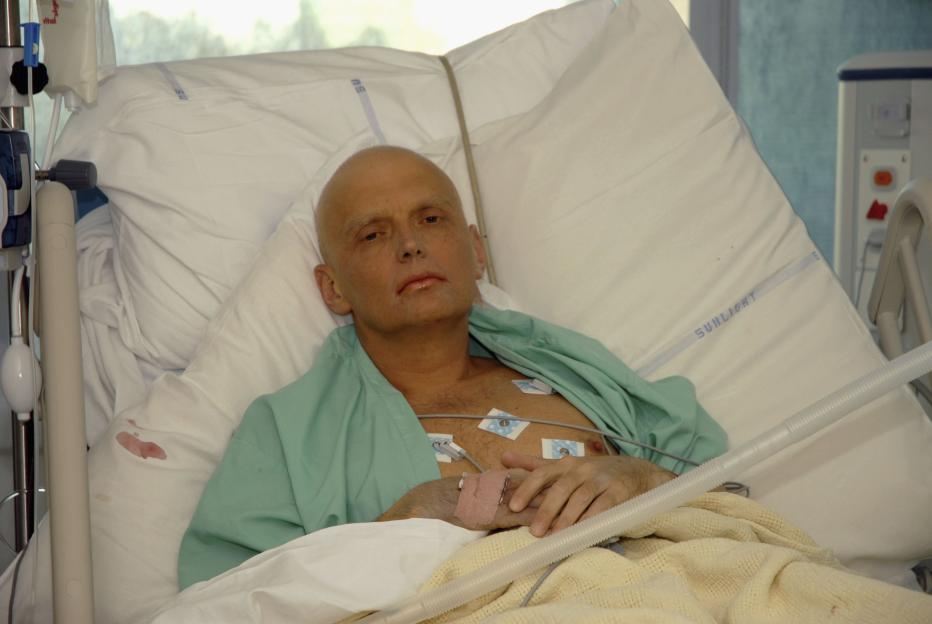 Alexander Litvinenko at the Intensive Care Unit of University College Hospital on November 20, 2006 in London Credit: Getty – Contributor
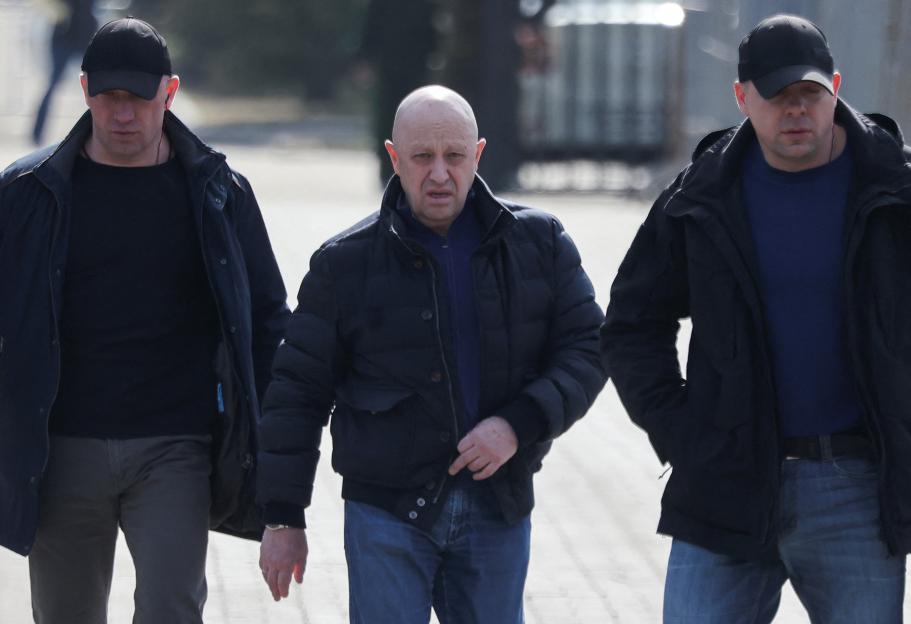 Founder of Wagner private mercenary group Yevgeny Prigozhin who was killed in a plane crash Credit: Reuters
Sean says he is privileged to have worked in the CIA throughout Putin’s 23 -year authoritarian rule.
He knows that the Kremlin believes “very much in using the stick versus the carrot”. That is Russia’s diplomacy style, he says.
Another “part and parcel” of their spycraft are assassinations.
Russia’s penchant for poisoning its enemies dates back at least a century, to when Vladimir Lenin was first establishing the Soviet Union – but tactics have evolved since then.
From shootings to falls from windows and plane crashes, the Kremlin has been accused of numerous lethal attacks – on journalists, critics and spies who have defected.
Even before the full-scale invasion of Ukraine, Russia targeted defectors, even those in the West.
In the UK, some of the more recent cases are with polonium, and then the .
“Putin orders assassinations of defectors as a deterrent,” Sean explained.
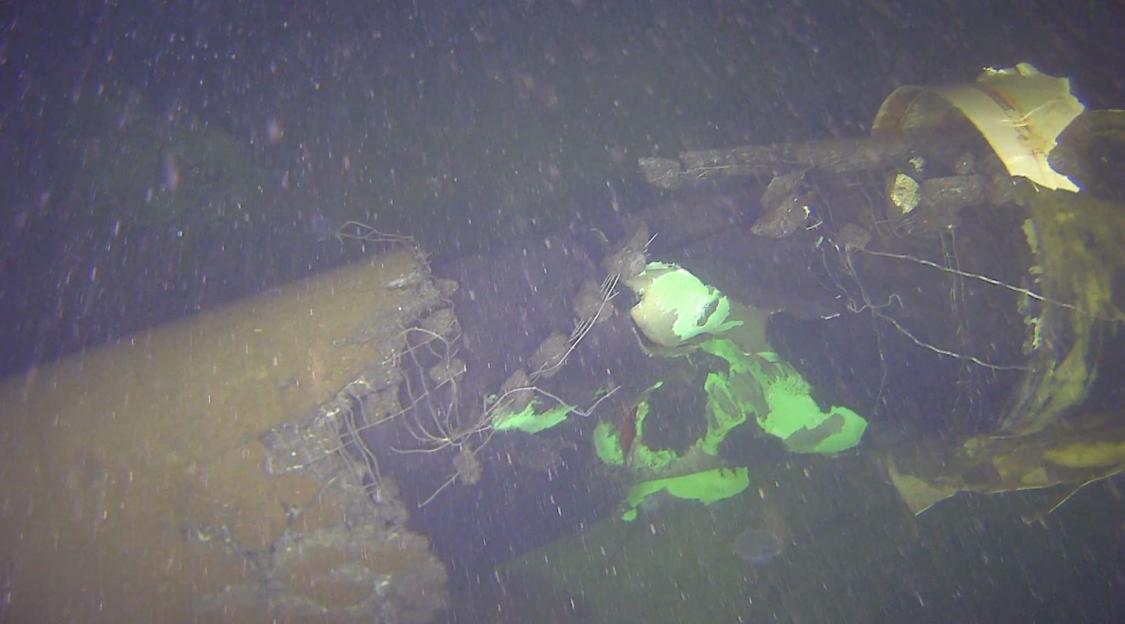 A damaged Balticconnector gas pipeline that connects Finland and Estonia Credit: Reuters
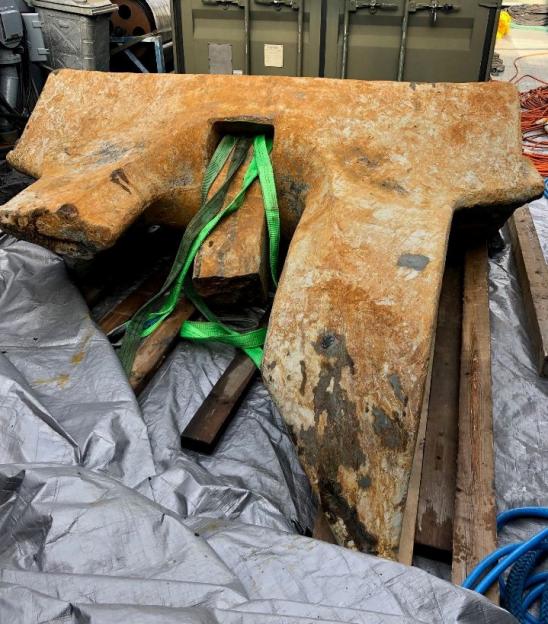 An anchor recovered from a 3-metre deep mudhole where only a small part of it was showing when detected next to the damaged Balticconnector gas pipeline Credit: Reuters
Another famous deterrent within Russian units is the tale about the death of Pyotr Popov, a GRU agent allegedly burnt alive in front of his fellow officers.
Sean said: “One young officer told me that they used to whisper, ‘what, do you want to be thrown in the furnace alive? Keep your mouth shut’.
“It is a pretty good deterrent against any type of opposition, against any dissent whatsoever. God forbid you even imagine the idea of espionage.
“Using toxins, using polonium to kill Litvinenko, these are all deterrents.
“The Kremlin knows that the lure of democracy – what we can provide to their officers in the West – is very, very strong.
“They have to provide a deterrent, a really horrible, mortifying deterrent for their officers not to want to betray Russia. But many of them take that risk anyway.”
Examining the past four years of war in Ukraine, Sean argues that Russian intelligence services have undergone “one of the greatest evolutions” in a number of decades.
A real “turning point” was the few months after the start of the invasion.
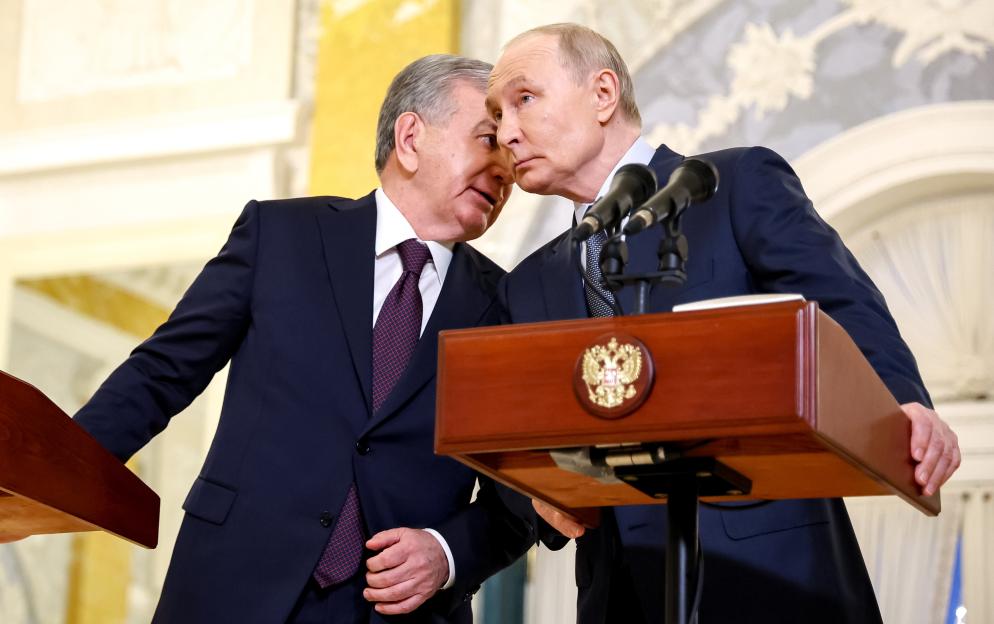 Uzbek President Shavkat Mirziyoyev (L) and Russian President Putin Credit: EPA
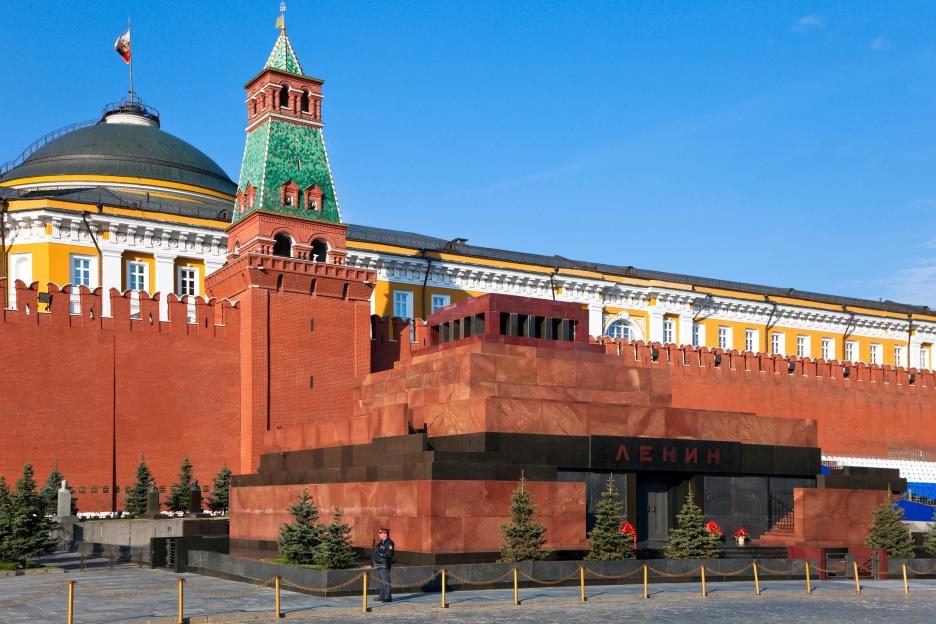 The Mausoleum of Lenin and Kremlin wall on Red Square, Moscow Credit: Alamy
One of the most serious escalations was the downing of a plane carrying Wagner chief Yevgeny Prigozhin – further proof that Putin does not shy away from assassinating his adversaries.
As NATO kicked out hundreds of officers hiding and working at embassies across Europe, Russia was left without much professional intelligence.
Sabotage – also known as “shadow war” – has since emerged as the central pillar of Russian hybrid warfare campaign abroad.
At a record-high intensity, the tactics are designed to destabilise Ukrainian allies without crossing the threshold into a direct military conflict.
The term covers a range of operations – from damaging undersea cables to vandalism.
Critical pipelines connecting Finland and Estonia have been severed by ships dragging their anchors, prompting major investigations – with the finger always pointing at the Kremlin.
For these low-level attacks, Russia hires ordinary individuals – sometimes teenagers – who are recruited via encrypted messaging apps and paid in cryptocurrency.
Sean says: “In an effort to impress Putin, Russian intelligence services are coming up with more and more reckless operations.
“That is how you get that apparently look like just a couple of pimps with women willing to prostitute themselves, or whatever they needed to do to target and potentially compromise or kill targets.
“We saw elements of traditional intelligence spycraft – all those SIM cards and cell phones that they had with them.”
For the Kremlin, such assets are “expendable” – but a “potential cheap win”.
Russia has denied any involvement in the spy ring uncovered in the UK in 2024.
“Russians are trying to fill in the gap of not having intelligence officers to impress the boss and hit back with creative operations,” Sean said.
“[They] include assassinations or blowing up an airliner in Lithuania, also a very sort of bungling operation using a mix of organised crime and GRU officers talking to organised crime figures.”
Sean warned that this represents a “dangerous” level of escalation “never seen with Russian intelligence,” not even their Soviet predecessors.
To this day, he believes that the greatest danger from Russia to the West is “information warfare” – adding that “they are very good at it.”
“The first large awareness of this in the West came with the 2016 elections in the US,” the veteran added. “Many of the lessons we should have learnt have been lost.”
According to him, the goal was not to elect one candidate over another – but to “undermine democracy itself.”
A similar information warfare, he claims, took place during the Brexit vote in the UK – a heavily debated subject.
“That’s the much bigger target, the much bigger prey on their hierarchy of goals,” Sean added.