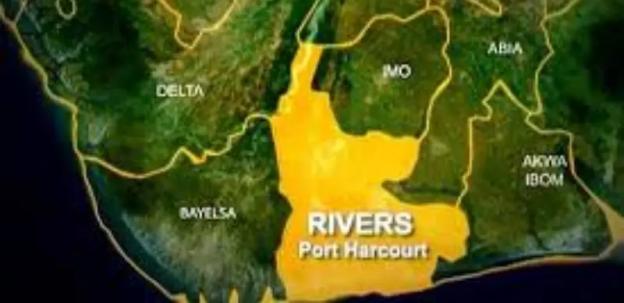
Some natives of Ogoniland in Rivers State have lamented that their fish and periwinkles are still being laced with oil despite the ongoing clean-up by the Hydrocarbon Pollution Remediation Project.
The indigenes from Gbee, K-Dere and Nweemuu communities, stated this at a multi-stakeholder dialogue with the theme, ‘Restoring Rivers, Reviving Livelihoods, Renewing Lives’, held at Kpor, headquarters of Gokana Local Government Area of Rivers State.
DAILY POST reports that the programme attracted participants from several fishing communities in Ogoni, representatives of HYPREP, the University of PortHarcourt, Civil Society Organisations, the Nigeria Oil Spill Detection and Response Agency, youths, women and other stakeholders.
In their different presentations, some of the affected persons, Chief Nadabel John, Chief Emmanuel Pii and Madam Grace Namon, expressed worry that their farmlands, vegetation and water bodies are still laden with oil spills.
“Our fish and periwinkles still have the smell of crude oil when we catch and cook them for consumption,” they said.
The convener of the dialogue, Anuoluwapo Adelakun of the Pulitzer Centre for Crisis Reporting, in her address, stated that the dialogue was borne out of the findings of an investigation and the lamentations of the people, which showed an information gap between HYPREP and the local communities.
She noted that the result of a report carried out in partnership with the University of Port Harcourt showed that the water sediments of the communities where the study took place still contain heavy metals such as nickel, a cancer-causing substance.
According to her, from the findings, fish such as tilapia have heavy concentrations of these metals.
“We came to Ogoniland to do very interesting studies on pollution, remediation and livelihoods. And this particular project placed emphasis on the rivers, wetlands, water bodies and the aquatic organisms, and their socio-ecological relationships and how it’s actually thriving.
“We took samples from Bodo, K-Dere, Gbee and Mogho. We took these samples because we discovered that people are still engaging with the water and the fish,” she said.