A COLD-War era nuclear bunker that was dangling precariously on the edge of a cliff has finally crashed into the sea.
, near Tunstall on the East coast, is understood to have been constructed in 1959 and was originally around 100 yards from the sea.
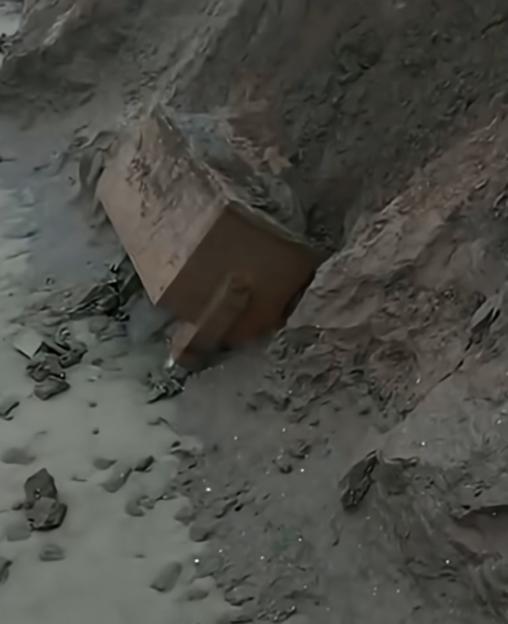 The decommissioned nuclear bunker has finally come crashing downCredit: BBC
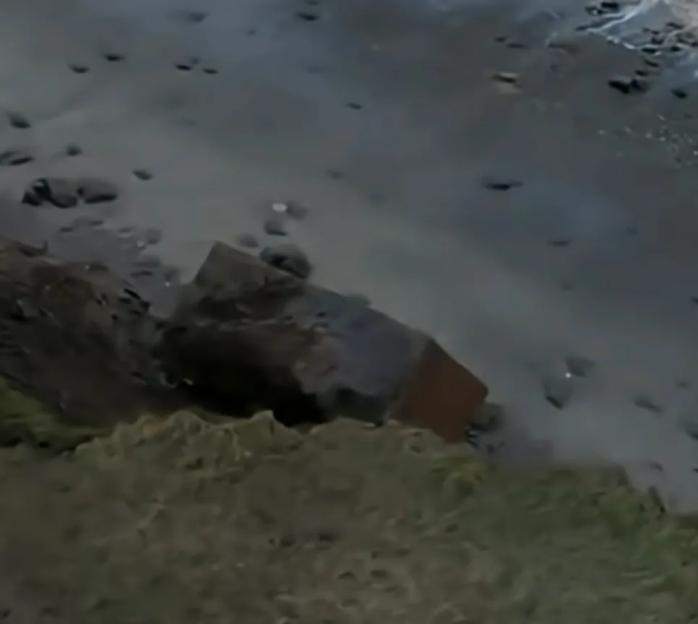 The ground beneath the decommissioned station finally gave wayCredit: BBC
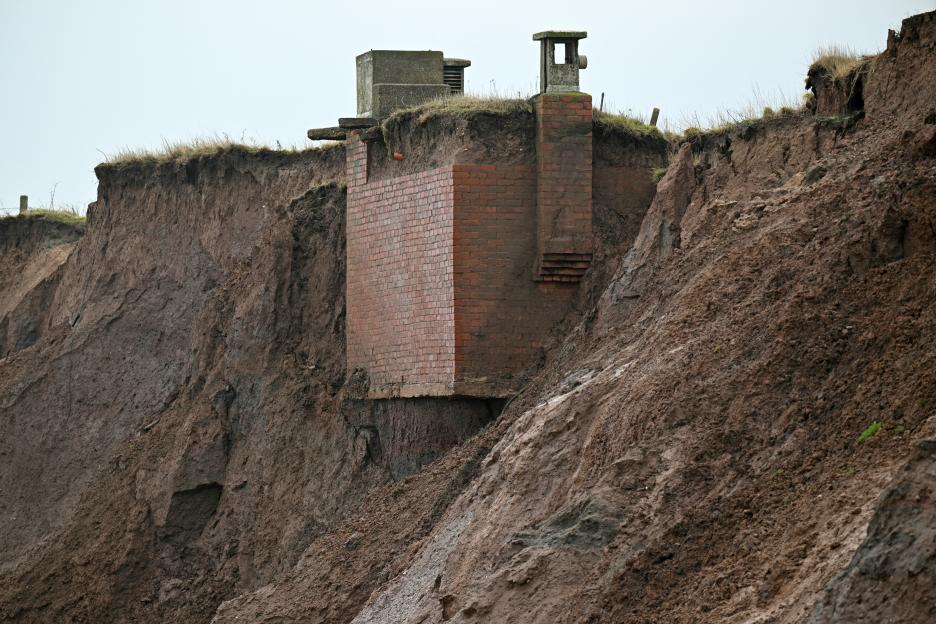 The outpost stood on the Yorkshire coastline for nearly 70 yearsCredit: AFP
The relic was used as a monitoring station in the event of a nuclear war breaking out.
The Tunstall Royal Observer Corps Post was one of many such bases and was decommissioned in the 1990s.
Amateur historian Davey Robinson had been visiting the bunker every day to document its final days.
Robsinson captured the eating away at the cliff face and predicted that the eventual collapse would come around now.
He shared that his videos have attracted global attention.
“The story of it just captured people’s hearts,” Robinson said.
“So many people have been invested in it – it’s not just bricks and mortar, it’s something else.”
In the latest footage, the bunker can be seen resting at the foot of a cliff and appears to be largely intact.
Breaking the news, Robinson told his Timothy’s Channel viewers : “What a sorry sight – wow, she’s landed on her head and she’s completely upside down. What was strange was that she seemed so vulnerable and small – she seemed so much bigger before.
“This day has finally come and it seems the right day for it, it suits the situation, it had to conclude at some point.”
“When it’s a nicer day we will go meet her in person on the beach and I’m so delighted that everybody has come on this journey and I’m really proud that we’ve brought so much attention to it.”
The bunker was built entirely underground with just a small concrete block visible above the grass.
But as the the cliff around the bunker more and more of .
So much ground has been eaten away by the waves that the entire coast-facing side of the structure had been revealed.
Waves came crashing in every day, steadily eating away the ground supporting the building.
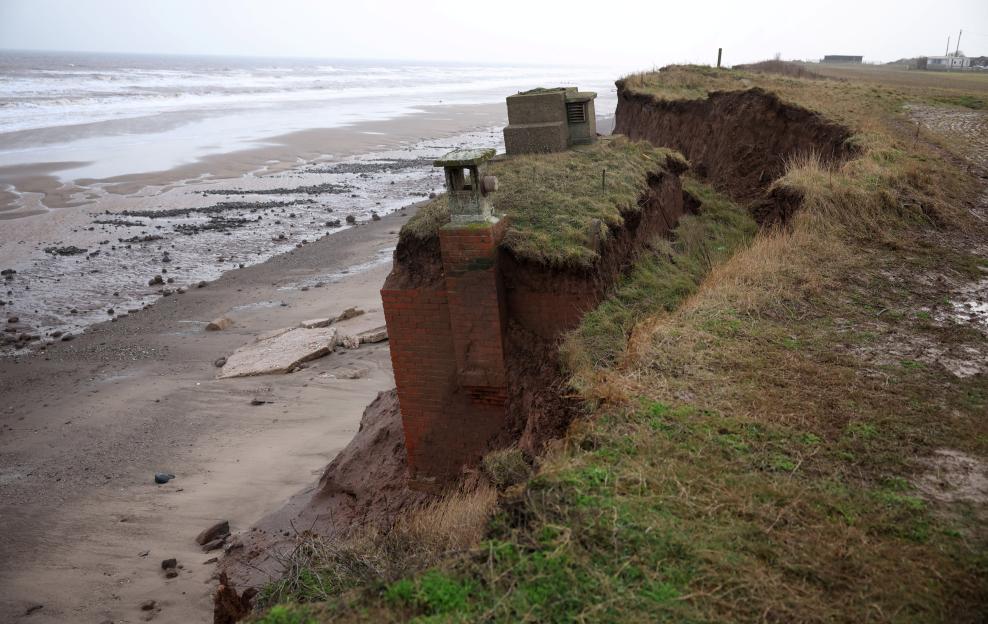 Amateur historian Davey Robinson recorded the bunker’s final daysCredit: Reuters
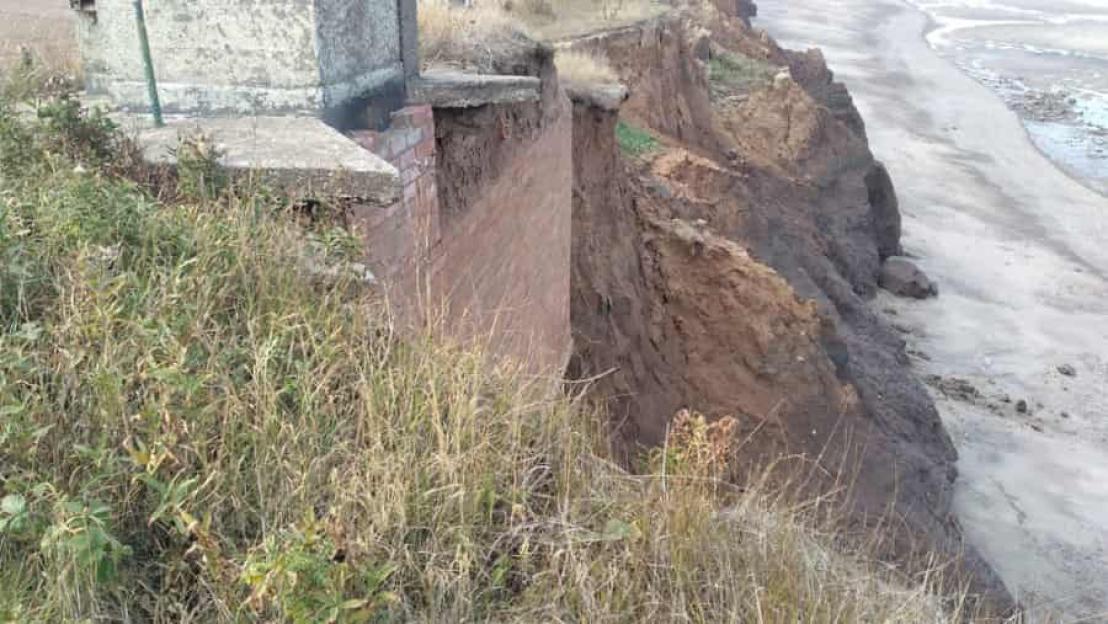 The entire coast facing side of the underground building had been exposedCredit: subbrit
According to Davey the building contained sleeping and “very basic” living facilities.
He told the BBC : “We live on one of the most eroded coastlines in and this bunker hasn’t got long left, perhaps just a few days.
“It was designed so that people could live inside it and just wait for a nuclear explosion to register and they could tell other people in other bunkers around the country.”
Davey plans to continue visiting the site every day, predicting that it will collapse into the sea at any moment.
He said: “This whole area is eroding at a rapid rate and to see an actual physical thing moving it just shows what’s happening really.”
East Riding of Yorkshire Council previously urged people to “always maintain a safe distance to the base of eroding cliffs due to the risks associated”.
The Environment Agency said East has some of the fastest eroding coastline in the UK.
Around 3 miles of land is thought to have been lost since Roman times along the quickly eroding coast.