
"Pat Utomi: Nigerian Politicians Fail to Meet Citizens' Expectations"
A political economist, Prof Pat Utomi, says Nigeria’s political class has fallen short of citizens’ expectations, leaving the nation distant from the aspiration...
 Written byEze Chidiebere Paul
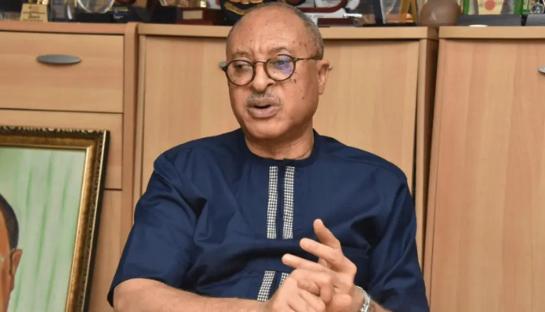
Table of Contents
- Introduction
- Remarks by Prof Pat Utomi
- Leadership Failures
- Civic Consciousness
- Future of Civic Activism
A political economist, Professor Pat Utomi, states that Nigeria’s political class has not met the expectations of its citizens, leaving the nation far from the dreams once held by its youth.
Utomi made these comments on Wednesday during the 15th Anniversary celebration of Enough is Enough Nigeria (EiE) in Lagos.
According to DAILY POST, EiE is a civil society organization that advocates for improved governance in Nigeria and is led by activist Mrs. Yemi Adamolekun.
Utomi emphasized that the failures of the country's leadership are central to its slow development progress.
The event, which took place on Wednesday evening in Lagos, was themed “Footprints and Frontlines.”
He reminisced about a 1996 interview in which he humorously suggested that Nigeria might advance more quickly if its political and military elites were given an island along with all of the nation’s oil resources, provided they never returned.
He acknowledged that while the comment was made in jest, it still resonates with the frustrations many Nigerians experience today.
He noted that decades of inadequate leadership have intensified citizens’ feelings of disillusionment.
“When we were students 50 years ago, envisioning Nigeria’s future, we never imagined it would turn out like this.
“Regrettably, Socrates’ concerns about democracy are still pertinent — that it can sometimes devolve into a contest of numbers rather than a contest of moral principles,” Utomi remarked.
He stated that national renewal would necessitate a transformation in civic consciousness, asserting that Nigerians possess the potential to foster positive change when properly organized.
Utomi recalled the establishment of the Concerned Professionals in 1993 after the annulment of the June 12 election, noting that the group emerged because many educated citizens prioritized national interest over personal gain.
He also referenced a 1995 gathering of the Integrity Movement, during which business leaders were encouraged to publicly denounce bribery, though only three chose to do so.
“Imagine if all 60 major business leaders had taken that stand. Consider where Nigeria might be today,” he remarked.
Regarding the future of civic activism, he emphasized that each generation must define and pursue its own mission.
“I have contributed across two generations. It is now the responsibility of the next generation to determine its direction,” he concluded.
Frequently Asked Questions
What are the main concerns expressed by Prof Pat Utomi regarding Nigeria's leadership?
Prof Pat Utomi highlights that Nigeria's political class has failed to meet citizens' expectations, leading to disillusionment and a slow development trajectory due to ineffective leadership.
What does Prof Utomi suggest is necessary for national renewal?
He suggests that national renewal requires a shift in civic consciousness and that citizens have the power to drive positive change when organized effectively.
Continue reading

Woman ‘sexually assaulted’ on busy train by man who tried to hide in crowd – as cops release CCTV
A WOMAN was allegedly sexually assaulted on a busy city-centre train by a man who tried to disappear into the crowd. Cops have released CCTV in the hunt for the...

Suspected Lakurawa terrorists flee as troops storm workshop in Sokoto
Suspected members of the Lakurawa terrorist group fled after troops raided a motorcycle repair workshop allegedly being used by the group in Kware town, Kware L...

Xenophobia: South Africa should pay R1bn for each Nigerian killed, business destroyed – Group
Nigerians living in South Africa have called for stronger measures against the country over the continued xenophobic attacks against Nigerians and other African...
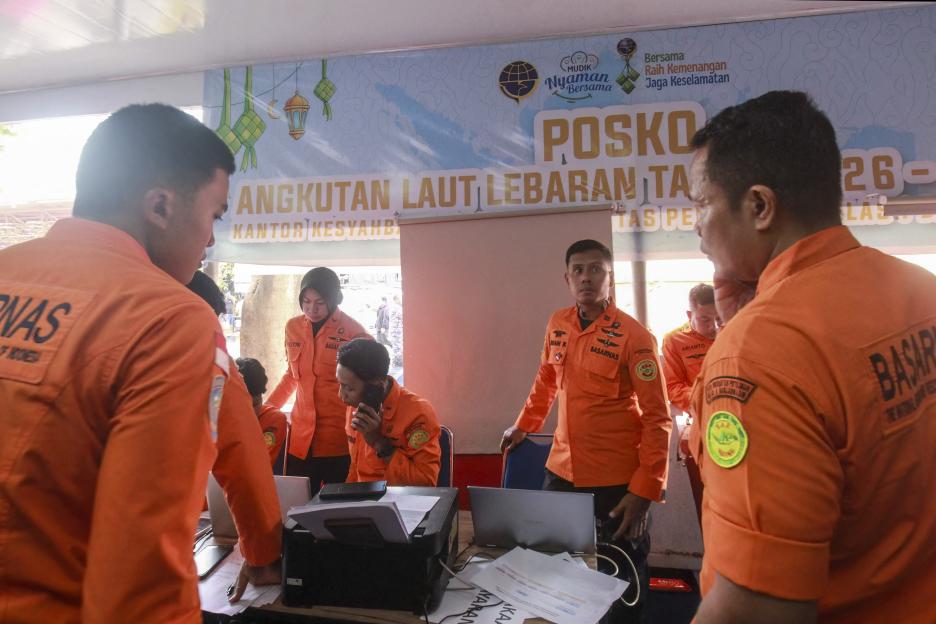
One dead and 140 missing after passenger ferry hits bad weather as urgent search & rescue launched in Indonesia
AT least one person has died and a further 140 passengers are still missing from a stricken Indonesian passenger ferry. Rescuers lost contact with the Virgo Tra...