AIRPORTS have reinstated Covid-era restrictions amid an outbreak of a deadly brain-swelling virus considered the “next pandemic”.
At least five cases of the virus, which has no cure and can kill 75 per cent of those it infects, have been detected in India’s West Bengal state.
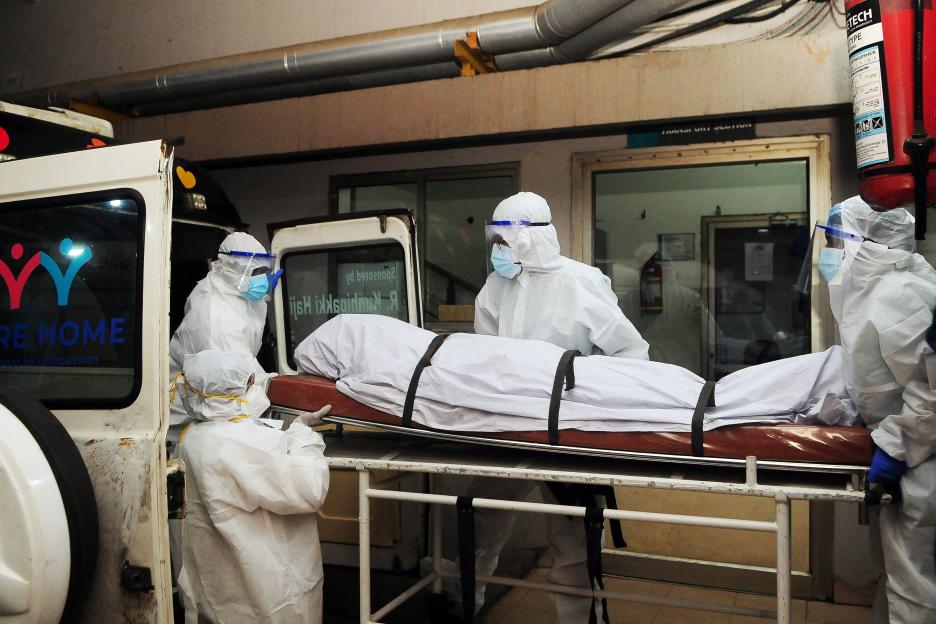 There have been several Nipah outbreaks in India (Pictured: Health workers move the body of a person who died of a Nipah in India’s Kerala state in 2023)Credit: AFP
 Thailand has started screening passengers at three airports – Suvarnabhumi, Don Mueang and PhuketCredit: Alamy
Nipah virus, which inspired the thriller “Contagion” featuring , is transmitted from animals to humans – often from bats and pigs – and can also be .
Nepal, Thailand and Taiwan are among the areas that have now stepped up measures, to combat the spread of Nipah.
Thailand has started screening passengers at three – Suvarnabhumi, Don Mueang and Phuket – that receive flights from West Bengal.
who arrive with high fever or symptoms that may indicate Nipah infection will be transferred to facilities, according to local media reports.
In Nepal, the government has raised alert levels and intensified checks at Tribhuvan International Airport in Kathmandu, and at key land border crossings with .
The five patients in West Bengal are to a private hospital in Barasat.
Two nurses are being treated in an intensive coronary care unit, one of whom remains in “very critical” condition, local media reported citing the state’s health department.
Some 110 people who were in contact with them have also been quarantined.
The (WHO) has described Nipah as a “priority pathogen” because of its potential to trigger a pandemic.
 Nipah virus inspired the Hollywood pandemic thriller “Contagion” featuring Gwyneth PaltrowCredit: Internet
Last year, the UK Health Security Agency (UKHSA) included the virus in its considered the greatest threats to public health.
that Nipah could “absolutely be the cause of a new pandemic”.
It is spread by fruit bats who can transmit the virus to people via contact with infected bodily fluids like saliva or urine left on fruit.
These people can then go on to infect others by close contact including potential airborne transmission through coughing and sneezing.
Nipah can kill by causing both severe respiratory problems and fatal brain swelling.
No vaccine or medication work against the virus, with treatment focussed on helping patients survive the symptoms while the body fights off the infection.
No cases of Nipah virus have ever been recorded in the UK.
Is Nipah virus a threat to the UK?
By Paul Hunter, professor of medicine at the University of East Anglia
Nipah virus is a nasty disease.
Although everything is possible in the world of infectious diseases. The threat of a global Nipah virus pandemic is not high on the list of the things that keep we awake at night.
Firstly, the primary host species are Pteropodidae bats, fruit bats or a flying fox.
Humans usually catch the infection from an infected animal, either the fruit bats themselves or from intermediate animals such as pigs. Contaminated food can also be a cause.
The pigs catch the infection from the fruit bats. Pteropodidae bats are not found in Europe -see figure below.
Secondly, person to person transmission does occur but it is not very efficient.
The R-value is below 1.0, around 0.33, so you would not get sustained person-to-person transmission unless there was some pretty impressive evolution, not impossible but very unlikely.
I guess there could be a risk of introduction into the UK from contaminated food, probably meat illegally brought into the country.
However, any subsequent illnesses would not spread far.
Of course with climate change the distribution of species may change over the next century and who knows what the risk may be in 50 or 100 years from now.
However, the virus has a typical incubation period of between four and 14 days, meaning it is theoretically possible for a case to be imported into the UK.
India has since the virus was first detected there in 2001.
Outbreaks were reported in West Bengal in 2001 and 2007. More recently, the southern state of Kerala has been a Nipah hotspot.
In 2018, 19 cases were reported of which 17 were fatal and in 2023, two out of six confirmed cases later died.
Nipah was after an outbreak among pig farmers in Malaysia.
It has since been regularly found in Bangladesh, where it causes near annual outbreaks.
Experts believe there have been a rise in cases due to animals living in closer proximity to humans because of habitat loss.
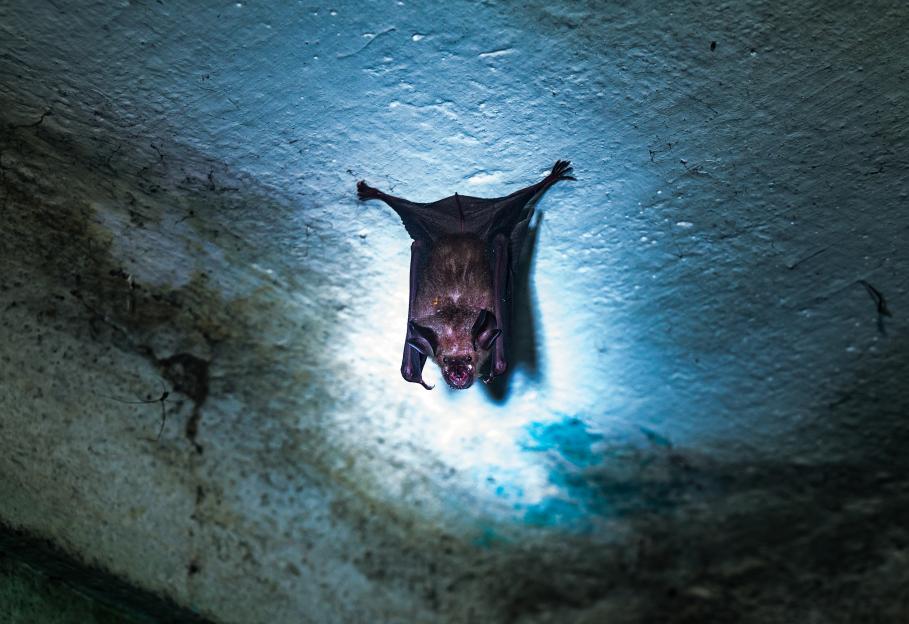 The virus is typically transmitted to humans from animals such as bats and pigsCredit: Getty
Initial signs of infection are subtle, making the virus difficult to contain, according to the WHO.
First symptoms of Nipah infection include fever, headaches, pain, vomiting and a sore throat.
This is followed by dizziness, drowsiness, altered consciousness and dangerous brain swelling and sometimes severe respiratory problems.
Severe cases of brain swelling result in seizures and then eventually cause the patient to enter a coma.
Nipah belongs a family of viruses called paramyxoviruses a group that includes pathogens like measles.
THE 24 'PRIORITY PATHOGENS'
THE UK Health Security Agency has issued a list of the 24 viruses and bacteria that its experts believe pose the biggest threat to people in the UK.
Each one is a scientific family, meaning it is an umbrella term that includes a number of more specific – and usually better known – infections.
VIRUSES
- Adenoviruses (mostly cause the common cold)
- Arenaviruses (e.g. Lassa fever)
- Calciviruses (e.g. norovirus)
- Coronaviruses (e.g. Covid-19)
- Filoviruses (e.g. Ebola, Marburg, Sudan virus)
- Flaviviruses (e.g. dengue, zika, hepatitis C)
- Hantaviruses (can cause hantavirus pulmonary syndrome)
- Nairoviruses (e.g. Crimean-Congo Haemorrhagic fever)
- Orthomyxoviruses (e.g. flu)
- Paramyxoviruses (e.g. Nipah virus)
- Peribunyaviruses (e.g. oropouche fever)
- Phenuviruses (e.g. Rift Valley fever)
- Picornaviruses (e.g. polio)
- Pneumoviruses (e.g. human metapneumovirus/hMPV)
- Poxviruses (e.g. mpox)
- Togaviruses (e.g. Chikungunya)
BACTERIA
- Bacillaceae (e.g. anthrax)
- Coxiellaceae (e.g. Q fever)
- Enterobacteria (e.g. plague)
- Francisellacae (e.g. tularaemia)
- Moraxellaceae (can cause pneumonia and UTIs)
- Neisseriaceae (e.g. gonorrhoea)
- Staphylococcaceae (cause cellulitis, pneumonia)
- Streptococcaceae (cause meningitis, scarlet fever, septicaemia)