GETTING into Europe for your holiday is now different and there are things you must know.
The (EES) started a phased rollout on October 12, 2025 in 29 European countries and is fully operational from today – April 10, 2026.
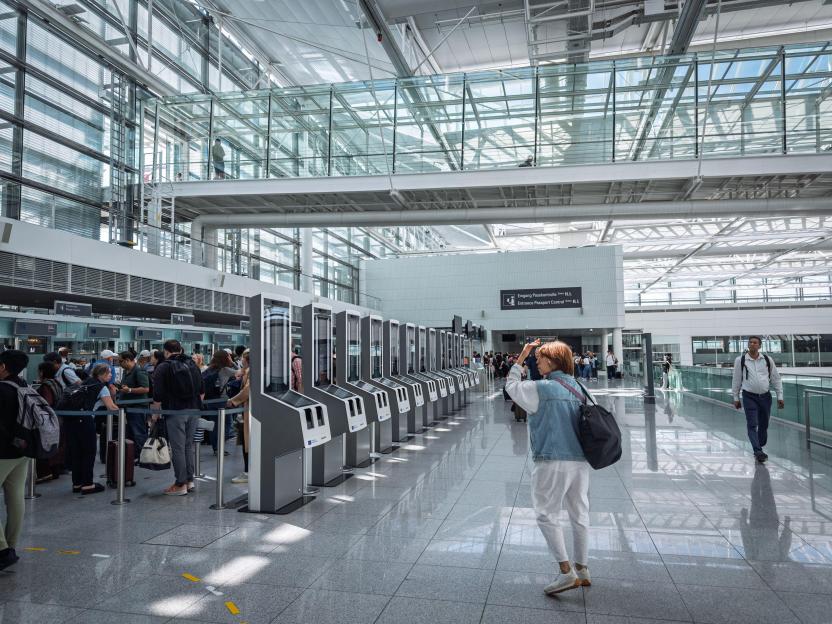 The new Entry/Exit System to Europe is fully operational from todayCredit: Alamy
What is EES?
EES is a new automated IT system that has been introduced across airports, ferry terminals and stations across the Schengen area.
The system tracks short stays in – up to a maximum of 90 days in any 180-day period.
Why has it been introduced?
has been introduced to replace the need for passport stamps.
Instead, going forward, visitors will automatically be checked-in when they enter and exit an
The aim of the system is to tighten border control, prevent illegal and prevent identity fraud.
Is it also designed to make border crossings more efficient in the long run?
What travel does it impact?
No matter how you are travelling, whether that be by train, plane or sea, Brits (as well as all non-EU nationals) visiting will have to follow the new rules.
If you are going on holiday to any of the following 29 countries, you will be required to follow EES.
- Austria
- Belgium
- Bulgaria
- Croatia
- Czech Republic
- Denmark
- Estonia
- Finland
- France
- Germany
- Greece
- Hungary
- Iceland
- Italy
- Latvia
- Liechtenstein
- Lithuania
- Luxembourg
- Malta
- Netherlands
- Norway
- Poland
- Portugal
- Romania
- Slovakia
- Slovenia
- Spain
- Sweden
- Switzerland
How will it work?
All non-EU nationals – which includes Brits – are required to register their details on their first visit to a country.
This will be done by using specific EES machines which will be at airports, ferry terminals and the terminals.
The machines will log your fingerprints, facial images and scan your passport as well.
From today, every traveller has to register with EES.
Once you have registered (such as taking fingerprints and a photo), it is valid for three years.
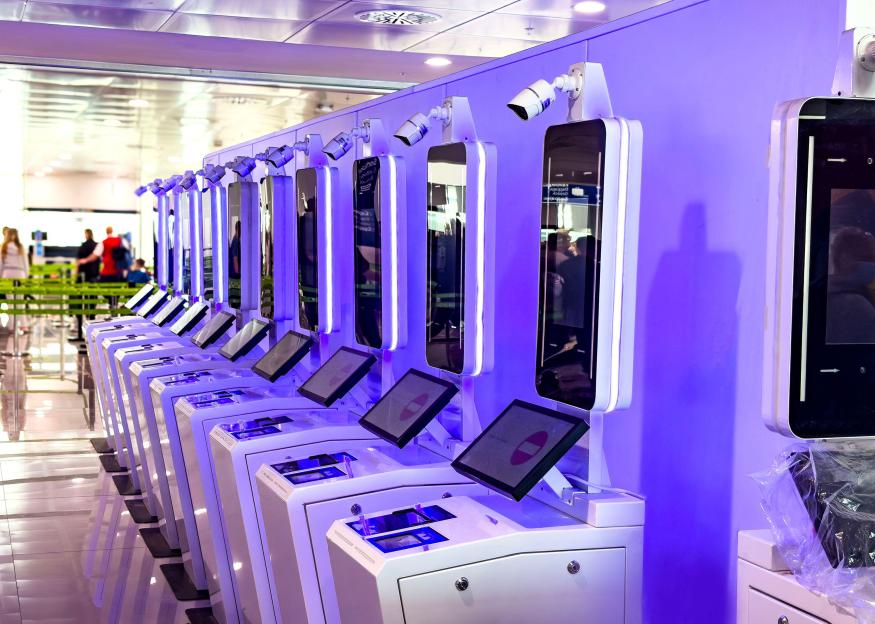 It impacts all Brits heading to EuropeCredit: Alamy
Each time you travel within those three years, you must complete a shorter and faster check in, which, for example, usually involves scanning your fingerprints already on the system every time you enter or exit the Schengen Area.
If your passport expires before the three year mark, you will need to re-register with your new passport.
You will also have to re-register when the three years expires.
Will it cost me anything?
EES does not cost anything and is free for all travellers.
It is not a paid visa.
Will it make my journey time longer?
There have already been some reports of delays due to travellers registering for EES, including long queues and lengthy wait times.
Travel Reporter Alice Penwill spent three hours getting through the arrivals hall at Lanzarote Airport last month.
And delays have been reported at other airports like Brussels, Lisbon and Prague.
Some airports have put preparations in place to avoid travel chaos.
For example, Spanish operator, Aena, has said that is adapting security and border control for Brits at , Menorca, Malaga and Palma, Majorca airports.
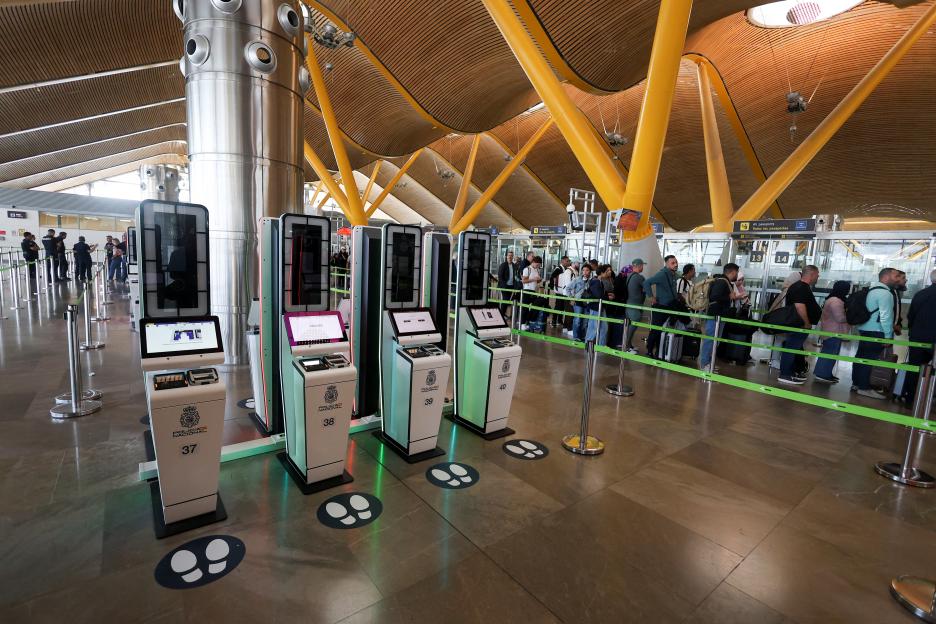 You must register, which includes scanning your fingerprintsCredit: Reuters
Tips to help with EES
While you might not be able to beat the long queues, Sun Travel has a few tips to make the process less stressful.
For example, book a seat at the front of the plane – this will help you get off the plane and to border control before the rest of passengers on your flight.
Where possible, booking the first flight of the day may help as they are generally fewer flights scheduled at this time and could mean less disruption.
If you have a connecting flight, try and go to a bigger airport when connecting as they are likely to be better equipped for the introduction of EES.
If travelling with children, think about the entertainment you can take with you, like an .
This could help to keep them occupied and calm in long queues.
If you are disabled, make sure to let the airline know in advance as after landing, staff should escort you straight through to the front of the border control queues.
And last but not least, if you are going to be waiting in line for a while you want to make sure you are comfortable – so ditch the uncomfortable shoes, head to the toilet on the plane before you land and make sure you have some water with you.
In other travel rules news, here are from outdoor dining bans to daily tourist caps.
Plus, are set to affect more than one million Brits – who risk being banned from flights.
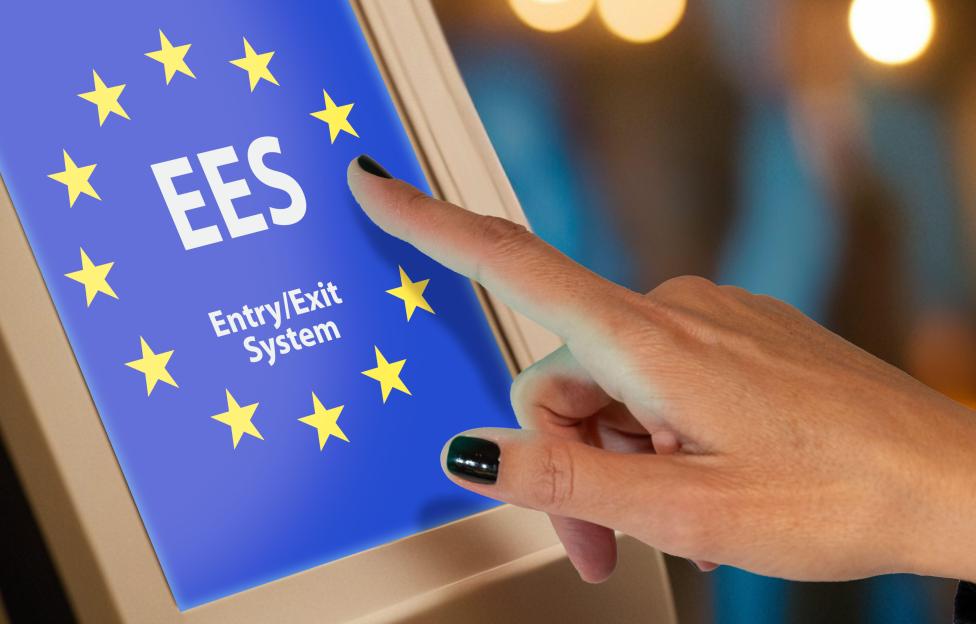 It applies to all travel including flights, trains and ferriesCredit: Alamy