THE New Zealand mosque shooter who brutally murdered 51 people in 2019 has blamed harsh prison conditions, which affected his mental health, for his guilty plea.
for a deadly shooting at the Al Noor and Linwood mosques in Christchurch in 2019.
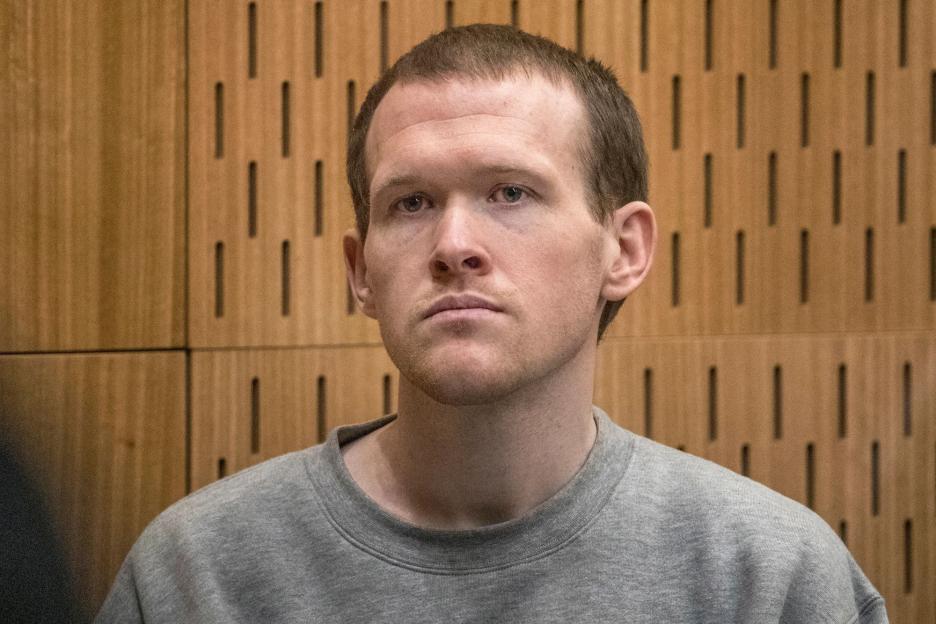
 Brenton Tarrant murdered 51 people at a mosque in 2019Credit: AP
 He was sentenced to life in prison without paroleCredit: Getty
The white supremacist initially pleaded guilty to the charges, but has since launched an appeal against his conviction and sentence.
He has also sought judicial review of the prison conditions, which he claims were torturous and inhumane.
The twisted individual, who livestreamed his heinous acts on Facebook, said his poor mental state meant he was not fit to plead guilty when he did.
This decline allegedly began shortly after New Zealand entered its first Covid-19 lockdown in March 2020.
“I did not have the mind frame or mental health required to be making informed decisions at that time,” the 35-year-old said.
“I think the issue is, did I really know what I wanted to do or what would be a good idea? No, I didn’t actually.
“I was making choices, but they were not choices made voluntarily and they were not choices made rationally due to the conditions.”
The former gym instructor also claimed that any expression of remorse he previously showed had been induced by the harsh conditions.
Tuesday’s hearing marked the first time Tarrant has been permitted to speak at length in any public forum.
Noticeably thinner and sporting a shaved head, he appeared via video link from prison.
More than 60 survivors and family members of the victims attended the court, watching proceedings on a one-hour delay to the live hearing in Wellington.
Tarrant said that at one point he was “bordering on insane,” and maintained that prison staff could see the signs.
Crown prosecutor Barnaby Hawes challenged his claims, arguing officers would have reported such a development.
“No, they wouldn’t want to incriminate themselves,” the gunman replied.
“They’re not fools.”
His case was not helped by testimony from his own lawyers, who said he showed no signs of serious mental illness during the 40 meetings and calls they had with him while he awaited trial.
“It might be difficult for a lawyer who sees me every two weeks, but the guards and staff, it’s impossible for them not to see,” Tarrant said.
“The idea that they somehow didn’t notice, it’s impossible. It’s absolutely impossible.”
He went on to claim his mental health only improved when he had something to occupy his mind, but he often masked how he was feeling.
“I was definitely doing everything possible to come across as confident, assured and mentally well … to represent as well as possible,” Tarrant said.
“I always wanted to put on the best front possible.”
When asked why he waited so long to launch his appeal, Tarrant said there were multiple reasons, but he ultimately needed to ensure he was of “sound mental state” before proceeding.
Prior to the attack, Tarrant published an online manifesto that featured anti-immigrant and Islamophobic rhetoric.
In the immediate aftermath, former Prime Minister Jacinda Ardern moved to tighten gun laws and put pressure on social media companies to curb online extremism.
The appeal hearing is scheduled to last five days and is expected to conclude on Friday.
If the Court of Appeal rejects his bid to quash the guilty pleas, a separate hearing later this year will consider his appeal against the sentence.
If the charges are overturned, the case would be sent back to the High Court for Tarrant to stand trial.
 During the trial, victims were able to address Tarrant directlyCredit: AP
 His sentencing represented a victory for those whose lives had been changed forever by his actions
 The court will now decide whether or not to consider Tarrant’s appeal