
Got Questions About Meningitis? We’ve Got Answers on Vaccines, Safety, and Teen Risks!
THE MENINGITIS outbreak in Kent is a stark reminder of how serious the bug is, and how fast it can kill. After the death of two students, you may have questions...
 Written byEze Chidiebere Paul
THE MENINGITIS outbreak in Kent is a stark reminder of how serious the bug is, and how fast it can kill.
After the death of two students, you may have questions about the risk to you or your family.
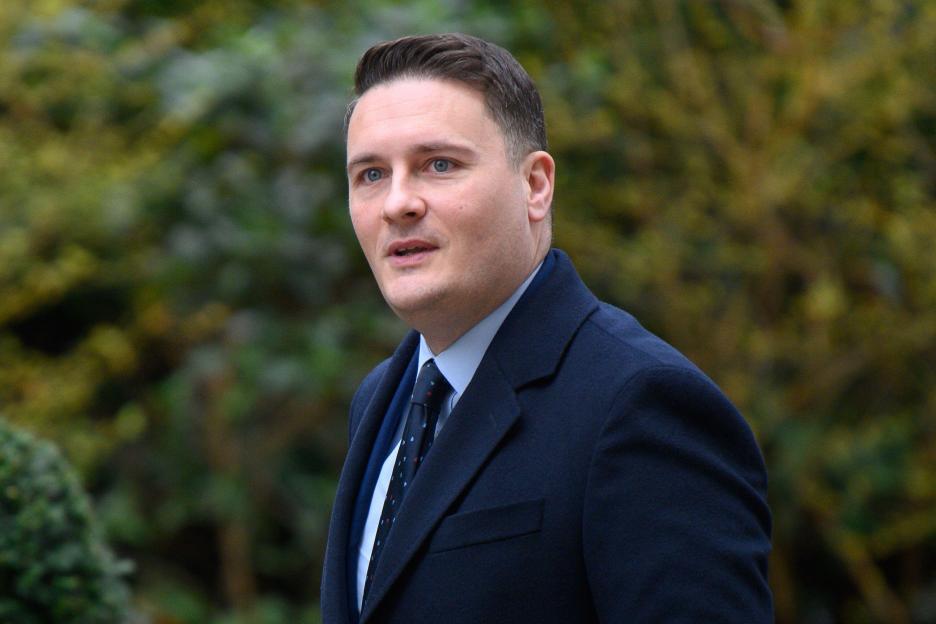
Health Secretary Wes Streeting said the risk of the meningitis outbreak spreading to the wider population is “low”Credit: Alamy
can be very serious if not treated quickly, and can lead to life-threatening sepsis and permanent damage to the brain or nerves.
A number of different ‘meningitis vaccines’ have been rolled out over the past few decades, meaning protection is a bit of a mixed bag depending on your age.
But ultimately,against the strain behind the current outbreak (meningitis
UKHSA chief executive Susan Hopkins said the “explosive nature” of the – linked to a nightclub and being controlled with antibiotic handouts – was “unprecedented”.
The same comments came from Health Secretary Wes Streeting, who told broadcasters the “pace and extent” made this outbreak so shocking – but the public health risk for the wider population is “low”.
Here’s everything you need to know…
Which age groups are at greatest risk?
Meningitis can affect anyone but is more common in babies, children, teenagers and young adults.
Of the 378 cases of meningitis reported in 2025, more than half were in people under the age of 25.
- Some 25 per cent were in under 10-year-olds
- 22 per cent were in 10 to 19-year-olds
- Eight per cent in 21 to 24-year-olds
Why are so many people in their late teens being affected?
Teenagers and young adults are among the most at risk because they are more likely to carry the meningitis bug, even without symptoms.
One of the bacteria which causes meningitis is called meningococcus, which can live harmlessly in people’s throats. It can cause serious illness if it gets into the blood or spinal fluid.
According to Meningitis Now, one in four 15 to 19-year-olds carry meningococcal bacteria in the back of their throats, compared with one in 10 of the UK population.
This group also have more active social lives, and currently
Dr Eliza Gil, Clinical Lecturer at the London School of Hygiene & Tropical Medicine (LSHTM) said: “The MenB vaccine is given specifically to babies as they are the group at highest risk of death or serious illness, so this has been a deliberate decision to protect the most vulnerable.
“But unfortunately, this does mean that many current students won’t have immunity to meningitis B themselves.”
 The outbreak in Kent has mostly affected students at the University of KentCredit: Gary Stone
What about my elderly parents?
People of all ages are at risk of meningitis, though the elderly are not particularly at risk.
Of the 378 cases of meningitis reported in 2025, 14 per cent were in people aged over 65 years.
Are there different types of meningitis?
There are different types of this bacteria and the most common is known as type B – what is often referred to as meningitis B, or MenB.
MenB is one of the most common causes of meningitis in the UK.
However, other strains used to make up the majority of cases, but have fizzled out thanks to previous vaccination programmes.
This includes Men A, C, W and Y (now covered by the MenACWY vaccine).
Cases used to be in the thousands.
Prof Andrew Lee, Professor of Public Health, University of Sheffield, said: “We used to get a lot more cases of meningitis and deaths from it, primarily the A and C strains.
“In 1999/2000, for example, there were 2,600 deaths due to meningococcal disease.”
Can I get my teenager a MenB jab now, and if so how?
The vast majority of young people are not protected against meningitis B because the jab is only offered to babies, since 2015.
Currently, only those most at risk are being offered a MenB vaccine outside the usual NHS programme. Students living in Canterbury Campus Halls of Residence at the University of Kent will be given a jab in the next few days.
People can pay for it privately – it costs around £110 per dose, with a minimum of two doses required.
Dr Gil says: “This creates a situation where currently we have unequal access based on ability to pay.”
The MenB vaccine covers most MenB strains that cause severe disease.
But Prof Andrew Pollard, Director of the Oxford Vaccine Group, University of Oxford, said it will take some time to see if the vaccine covers the MenB strain behind the Kent outbreak.

I am in my 30s, 40s, 50s and over. Do I need to make sure I have had a MenB jab?
Anyone can buy a MenB jab privately.
In terms of the protection you have against meningitis, it depends on a number of factors but generally, people in their 30s are covered most widely, while those in their 40s and above have the least protection.
If you are trying to figure out which vaccines you personally had, your “Red Book” (childhood health record) is the best source.
Jabs against meningitis only really came into existence from the 1990s, for children.
Some people in their 30s may have been offered a vaccine against Hib when they were months old.
The 1992 rollout was the first major step in reducing cases of this disease, as Hib was the leading cause of deadly bacterial meningitis.
Then, in 1999, the MenC jab was rolled out to babies and teenagers, including a ‘catch-up’ for anyone under 18. At the time, meningitis C was the biggest strain.
If you were born between 1981 and 1999, you likely received the jab.
In 2015, the program replaced the MenC jab with the MenACWY vaccine to cover four strains at once.
It is offered to students in Year 9, and still is. However, uptake sits around 70 per cent.
It means meningitis B protection is mostly isolated to kids aged roughly 10 and younger.
The life-saving vaccines you need at every age
The age at which you receive a vaccine depends on two things - the vaccine itself and the diseases it protects against.
Eight Weeks
- 6-in-1 vaccine (1st dose)
- Rotavirus vaccine (1st dose)
- MenB vaccine (1st dose)
12 Weeks
- 6-in-1 vaccine (2nd dose)
- MenB vaccine (2nd dose)
- Rotavirus vaccine (2nd dose)
16 Weeks
- 6-in-1 vaccine (3rd dose)
- Pneumococcal vaccine (1st dose)
One Year
- MMRV vaccine (1st dose for children born on or after 1 January 2025. Now includes ‘V’ for the varicella chickenpox virus, as well as measles, mumps and rubella)
- Pneumococcal vaccine (2nd dose)
- MenB vaccine (3rd dose)
18 Months
- 6-in-1 vaccine (4th dose)
- MMRV vaccine (1st or 2nd dose for children born on or after 1 July 2024)
Two to 15 Years
- Children’s flu vaccine (every year until children finish Year 11 of secondary school)
Three Years and Four Months
- MMRV vaccine (1st or 2nd dose for children born between 1 September 2022 and 31 December 2024)
- 4-in-1 pre-school booster vaccine
12 to 13 Years
- HPV vaccine
14 Years
- 3-in-1 teenage booster vaccine
- MenACWY vaccine
65 Years
- Flu vaccine (given every year after turning 65)
- Pneumococcal vaccine
- Shingles vaccine (if you turned 65 on or after 1 September 2023)
70 to 79 Years
- Shingles vaccine
75 to 79 years
- RSVV vaccine
75 years and over
- Covid-19 vaccine (usually spring and winter)
Source: The NHS
Is my baby or toddler covered?
If your child was born from the year 2015, they would have been invited for the MenB vaccine as a baby – at two, four and 12 months old.
How long does protection last?
Vaccine protection wanes over time. But the herd immunity created can help push a strain out of circulation – as is the case with meningitis C.
Most people only need one dose of the MenACWY jab. But you may get a booster dose every five years depending on your job.
Dr Gil says “the protection the [MenB] vaccine offers is imperfect and is thought to only last a few years”.
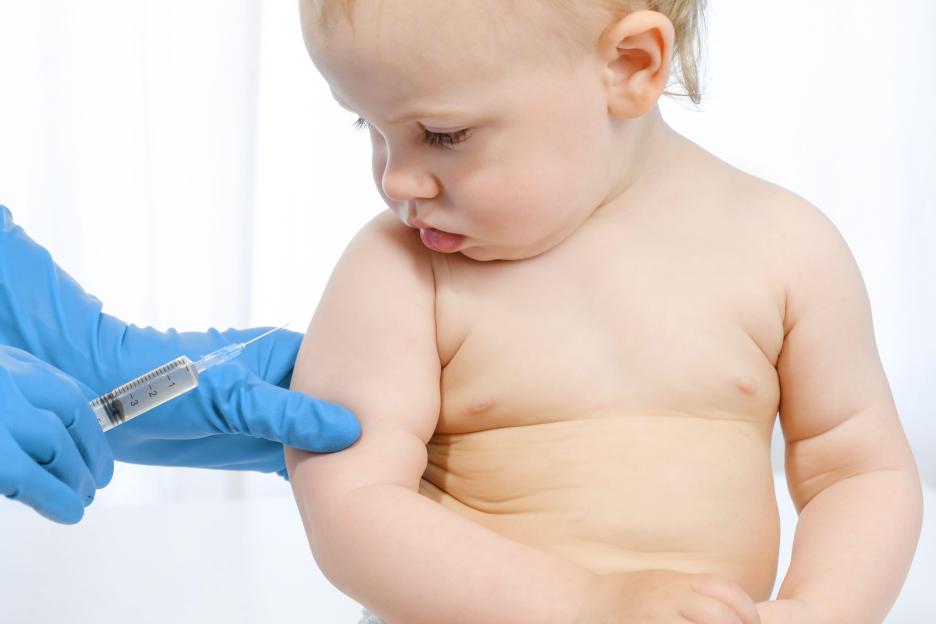 Babies are offered the MenB jab since 2015Credit: Alamy
Prof Adam Finn, Professor Emeritus of Paediatrics, University of Bristol, said: “The MenB vaccines do not reduce carriage and transmission of the bacterium.”
How else can I protect myself and my family against meningitis?
If you were born after 1997, you should have been offered the MenACWY vaccine. You can still get it for free on the NHS up until your 25th birthday if you missed it, and should do so before going to university.
People can carry meningitis bacteria harmlessly without becoming unwell. This is a state known as asymptomatic carriage.
The disease only occurs if these bacteria manage to breach the throat’s mucosal lining and enter the bloodstream, where they can cross the blood-brain barrier and cause life-threatening inflammation.
by coughing, sneezing and kissing.
Sharing items – like cups, utensils and toothbrushes – can also spread the germ, and
Prof Paul Hunter, Professor in Medicine, The Norwich School of Medicine, University of East Anglia, said: “Sharing things you put in your mouth like sharing a bottle of beer with a friend is a known risk for transmission, so it is completely logical that sharing vapes could be a risk factor for transmission.”
Is it safe to go outside?
Should my child go to school? Is it safe for teenagers to go out? Many parents will be worrying about those at risk.
Health Secretary Mr Streeting said on Tuesday: “We are not advising school closures.”
He said it was important to underscore “the nature of the transmission of this disease” – which is close personal contact.
There are four schools that are thought to have students struck with meningitis, two of which have closed out of precaution.
The UK Health and Security Agency said it was “working with other education settings across Canterbury”.
Students at the University of Kent have been given antibiotics just in case.
Should I look out for a rash?
The meningitis rash is infamously known as the one that does not disappear when a glass is pressed and rolled over it.
This does not always present, and medical attention should be sought if other symptoms show.
Symptoms can appear in any order and some may not appear at all.
Symptoms of meningitis and sepsis can include a high temperature, cold hands and feet, vomiting, confusion, muscle and joint pain, a headache, a stiff neck, aversion to bright lights, being very sleepy and seizures.
The skin can also be pale, mottled or blotchy.
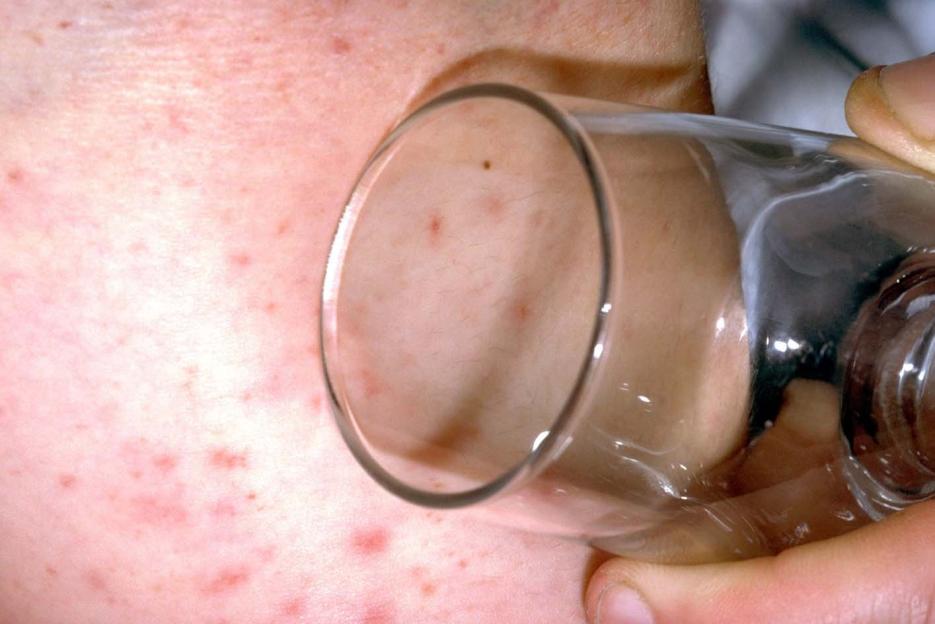 In the early stages of meningitis, there may be a rash that does not fade when you press a glass against itCredit: NHS UK
Continue reading

GBBO finalist Ruby Bhogal’s bakes are our fave showstoppers right now
Credit: Matt Russell WITH a new series of about to begin, what better way to celebrate than with a selection of recipes from 2018 finalist Ruby Bhogal? Around T...

I was raped 15 times by Mohamed Al Fayed when I worked at Harrods – he had ‘favourite girls’ and made us have STI tests
SARA Blackiston remembers being thrilled when she secured a job as a hosiery assistant at Harrods as a young woman – and even more elated when she was quickly s...
UK’s biggest toy chain is hit by asbestos recall alert as wooden games are pulled from shelves
THE UK’s biggest toy chain has pulled a wooden game from shelves over fears it contains asbestos. Shoppers have been urged to stop using the product immediately...
Middle-age disease ‘silently’ affecting one in FIVE Brits and fuelling deadly cancer – are you at risk?
LATE-stage diagnoses of deadly liver disease are surging because it develops so “silently”, concerning research suggests. Around 1.3billion people worldwide are...