A MISSION to recover the bodies of four Italians who went missing while diving in the Maldives is “technically challenging, emotionally intense, and complex.”
About 60 metres deep in the waters of Alimathaa Island are the remains of the divers – trapped in a dark cave and in peril of being ravaged by .
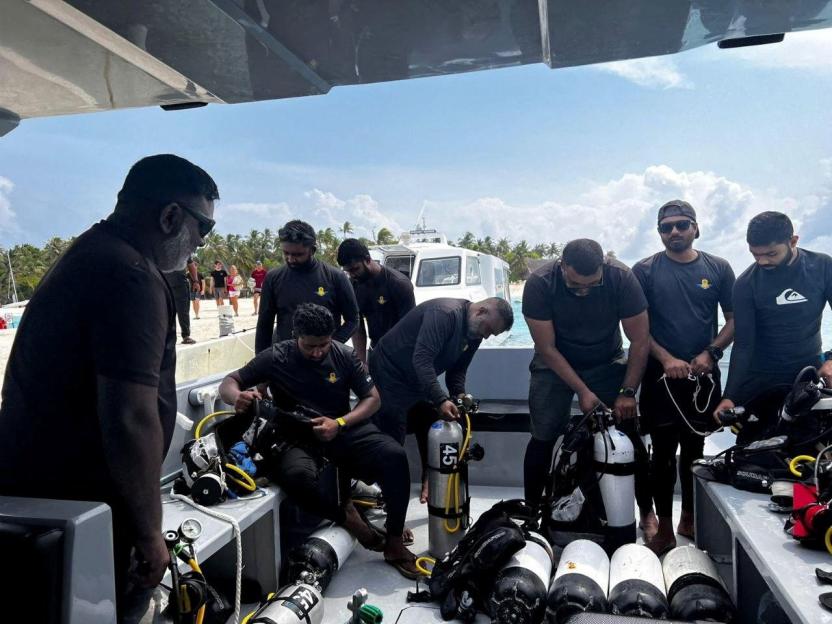 Members of National Defence Force (MNDF) prepare to take part in the search and recovery operation Credit: Reuters
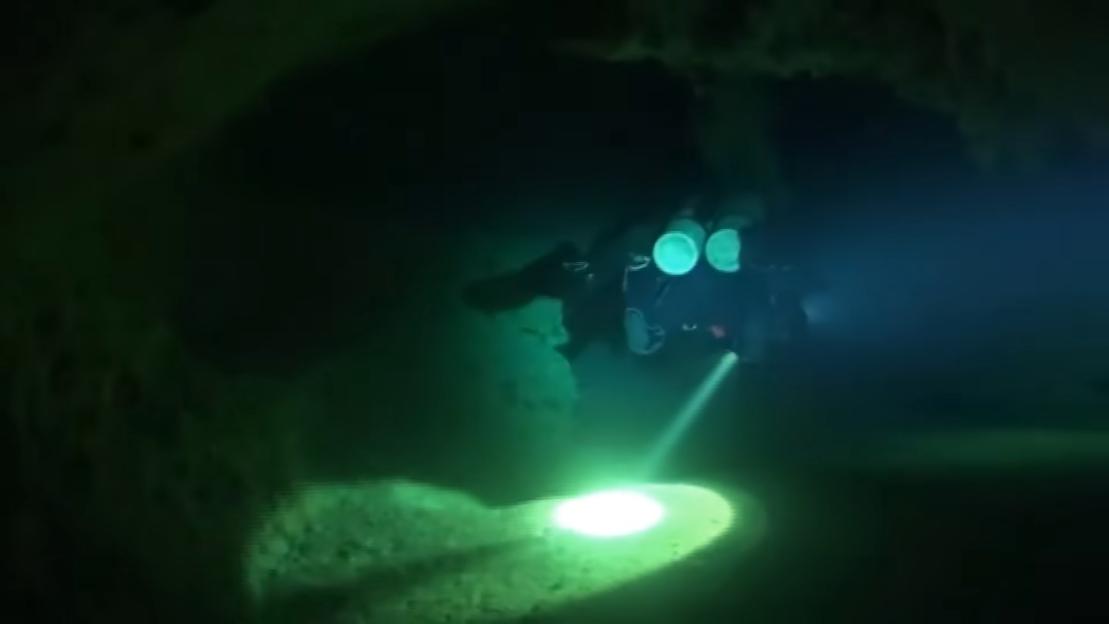 A haunting video shows inside the murky cave Credit: youtube/Neva Divers
Jamie Pringle, reader in forensic geoscience who previously spoke about the Bayesian disaster, is “putting a lot of faith” in – but he told The Sun that the op is “dangerous and complex.”
“They have to do things carefully and methodically,” he said. “The depth of water is a really big issue.
“Certainly in a marine environment it’s a lot more difficult because you’ve got all issues with, currents and oxygen, where there’s not as much oxygen in the water… they’re talking 60 metres.”
The search was suspended over the weekend after after trying to reach the bodies.

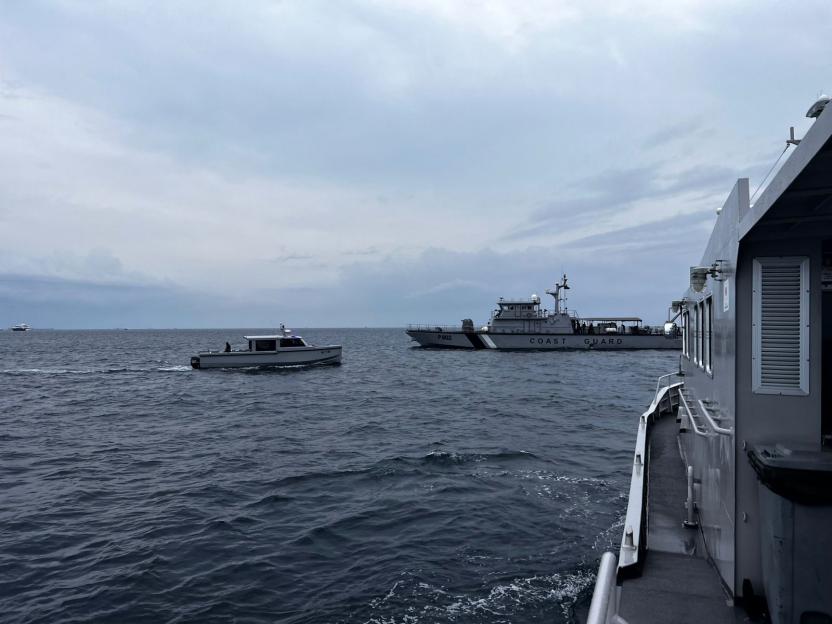 A coast guard boat and other vessels deployed to search for the four missing Italian divers near Alimathaa Island Credit: AP
Sergeant Major Mohamed Mahudhee, a member of the Maldives National Defence Force (MNDF), died of underwater decompression sickness after being transferred to a hospital on Saturday.
The Finnish team is made up of Sami Paakkarinen, Jenni Westerlund, and Patrik Grönqvist who arrived on Sunday in the paradise archipelago to help.
The elite trio can dive to depths of nearly 500ft, giving them much more flexibility to search the difficult cave complex.
Early this morning, they started the high-risk dive, gathering as much information to plan the actual recovery.
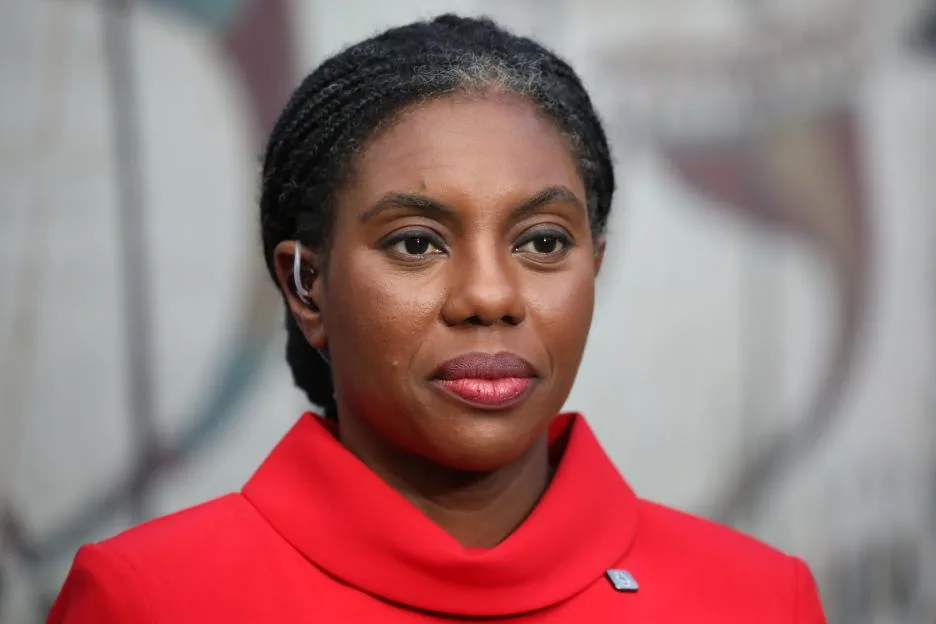
 Monica Montefalcone died in the tragedy Credit: UGC/UNPIXS
 Her daughter Giorgia Sommacal Credit: UGC/UNPIXS
Pringle insisted that they are “just as experienced” as UK divers.
He added: “I don’t know whether they’re treating it as a forensic scene, in which case they’ll need to document everything, take underwater photographs, get any information of what might have happened as well.
“So that might complicate it even further. They would be wanting to grab the tanks and everything else, to see if they have used up all their air or what else might have happened.
“They have been trying to get as much material back… bigger things to pick up.
 Federico Gualtieri was one of the divers Credit: UGC/UNPIXS
 Muriel Oddenino who also died in the dive Credit: UGC/UNPIXS
“We have quite a few experienced rescue diving teams here [in the UK], but I’m sure they’ll be using some of our input or other people’s inputs internationally.”
Pringle pointed out that the Finnish team has underwater scooters and gas tanks capable of recycling air as well as other specialised equipment.
Each dive on the Maldives recovery missions is limited to approximately three hours, and if they encounter an obstacle, the dive is aborted and the divers return to the surface.
The Divers Alert Network said in a statement that the team entered the water near the Dhekunu Kandu site, in Vaavu Atoll.
“During this first operational intervention, the specialist team successfully explored the underwater cave system, assessed environmental and operational conditions, located all four victims still missing, and gathered the critical information required to plan the next phases of the recovery operation,” DAN Europe said in a statement.
on Thursday morning.
Only one of them, boat operations manager Gianluca Benedetti, has been recovered, leaving four more trapped inside the cave, the Maldivian authorities confirmed.
“The body was recovered from about 60 metres deep from inside a cave structure,” they said.
“It is assumed that the rest of the divers would also be inside this cave which is about 200ft in length.”
The divers were led by the highly-experienced diver and renowned marine biologist Monica Montefalcone and boat captain Benedetti.
They were joined by Monica’s daughter Giorgia Sommacal, researcher Muriel Oddenino, and marine biologist Federico Gualtieri.
The incident is believed to be the worst single diving accident in the tiny Indian Ocean nation, a popular tourist destination because of its string of islands.