The Lagos State Materials Testing Laboratory Agency, LSMTL, has introduced a series of new quality assurance measures aimed at improving building safety and reducing cases of structural collapse across the state.
A statement by the agency said the reforms include mandatory signing and sealing of raw laboratory data, compulsory laboratory comparison exercises, intensified audit processes and the inclusion of weather information in Non-Destructive Testing, NDT, reports.
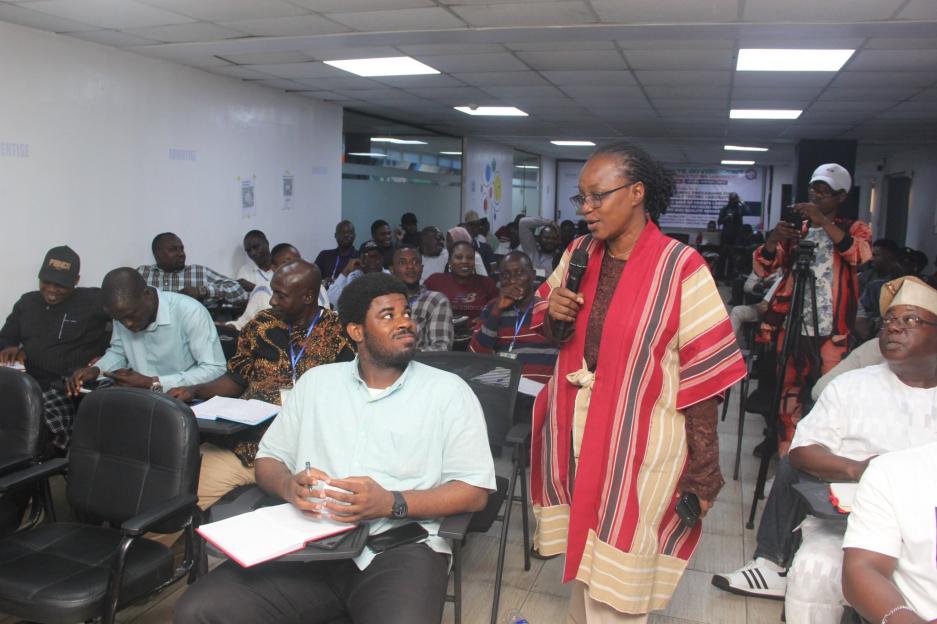
The General Manager of LSMTL, Engr. Yinka Abdul, disclosed this during a technical session with operators of privately-owned materials testing laboratories held at the Lagos State Chamber of Commerce and Industry on Thursday.
She said the new measures were introduced to strengthen standard operating procedures in both public and private laboratories and to ensure the credibility, accuracy and reliability of materials testing results used for construction projects in the state.
“All raw Laboratory data must henceforth be properly signed and sealed as part of the Agency’s quality assurance framework,” Abdul said.
She explained that the policy would improve accountability, transparency and traceability in laboratory operations while also aligning testing processes with international best practices.
The LSMTL boss added that the move would further increase public confidence in laboratory reports issued for construction and engineering projects across Lagos.
Abdul also stated that laboratory comparison exercises would now become a compulsory standard procedure across affiliated laboratories to validate test outcomes and improve consistency in the industry.
She noted that the exercise was designed to eliminate discrepancies in testing results and strengthen the overall integrity of materials testing operations within the built environment sector.
The General Manager further disclosed that the agency would intensify audit exercises across all laboratories, especially privately-owned facilities, as part of efforts to strengthen compliance and monitoring standards.
According to her, regular audits would help reassure customers and stakeholders about the authenticity and reliability of laboratory reports issued by the agency and affiliated laboratories in line with global standards.
She also revealed that weather information would now be included in NDT reports where necessary, explaining that environmental conditions could significantly affect testing procedures and outcomes.
“The inclusion of such details is expected to further enhance the accuracy, completeness, and technical value of laboratory reports,” she added.
Speaking at the session, the Country Representative for Pile Dynamics Inc., PDI, USA, Odjenima-Akpadaka Udu, stressed the importance of improving technical competence in materials testing operations.
He said strengthening laboratory systems requires continuous training, skill development and strict adherence to validated testing procedures.
Udu also called for regular proficiency assessments and enhanced training programmes to ensure laboratory personnel remain capable of delivering accurate and reliable results that meet international standards.