
"I Faced Osama bin Laden Moments Before Taking Him Down in a Daring Navy SEAL Raid"
AS the staccato blades of two Black Hawk helicopters kicked up dust outside a compound deep within hostile Pakistani territory, SEAL Team Six switched on their...
 Written byEze Chidiebere Paul
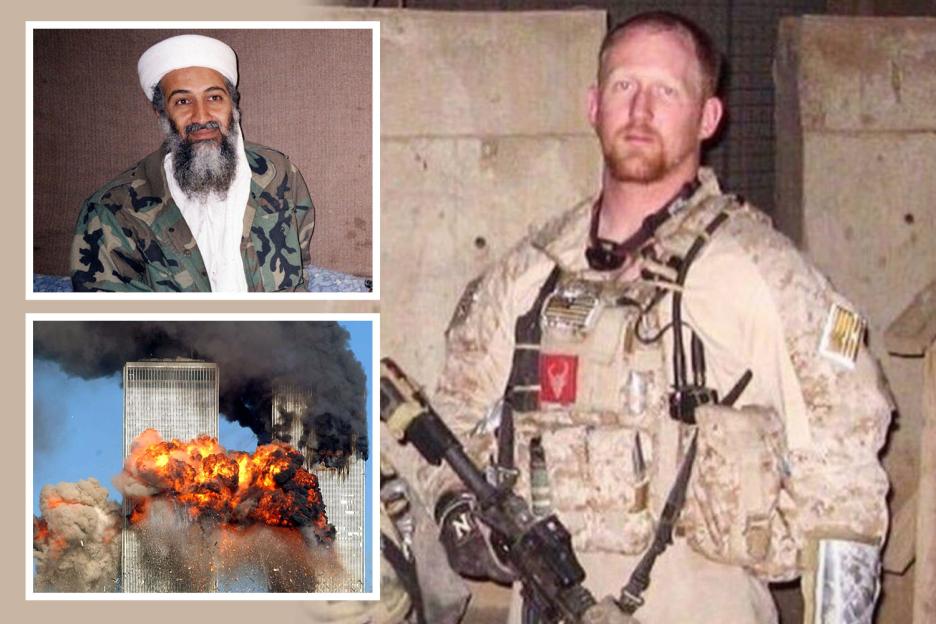
AS the staccato blades of two Black Hawk helicopters kicked up dust outside a compound deep within hostile Pakistani territory, SEAL Team Six switched on their night vision goggles and bayed for blood.
Minutes later, three rapid-fire bullets brought an end to a protracted, decade-long manhunt full of false leads and fatal missteps as the world’s most wanted terrorist bled out in his own dirt. Now, the elite commando who killed Osama bin Laden tells The Sun about the moment he watched the life drain out of his eyes on behalf of the millions traumatised by the architect of the 9/11 attacks in 2001.
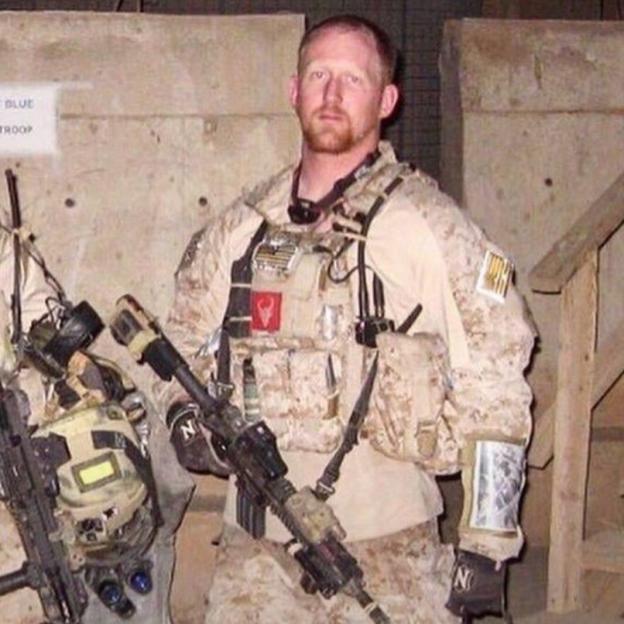 Robert J. O’Neill, the Navy SEAL Team Six commando who shot and killed Osama bin Laden Credit: instagram/@devgru.archives
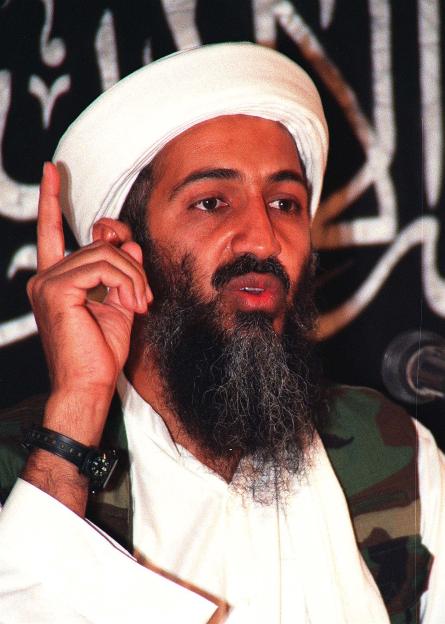 Al-Qaeda leader bin Laden, the most wanted terrorist in history, was the architect behind 9/11 Credit: Getty
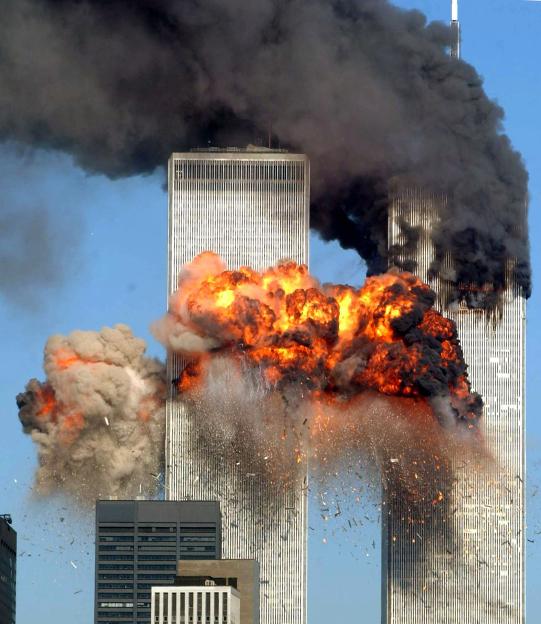 On September 11, 2001, two passenger jets intentionally flew into the World Trade Center towers, killing nearly 3,000 people Credit: Getty
“I am the last guy to see him standing up,” says Robert J. O’Neill, on the 15th anniversary of those fateful seconds.
“He had less than a second to convince me not to kill him. And he didn’t convince me.”
Back on April 30 2011, President and his most trusted US government allies gathered in the ballroom of the DC Hilton for the White House Correspondents’ Dinner, keenly aware that the next 24 hours would shape their legacies.
They had spent weeks fine-tuning Operation Neptune Spear – a generation-defining mission to execute the leader who had waged an unforgiving war on the West for over two decades.
The Americans had sought to kill or capture Bin Laden ever since he’d admitted sending two passenger jets into New York’s World Trade Center in 2001, killing nearly 3,000 people.
Now they knew he was hiding in a security compound in the Pakistani holiday town of Abbottabad, surrounded by family – oblivious to the fact that he was entering the final day of a life dedicated to destruction.
Weeks earlier, a team of brass-knuckled Frogmen in the US’s most elite military unit – SEAL Team Six – were soaking in the Florida sun on a much-needed combat break.
Robert J. O’Neill, who pulled off some of the SEALs’ most dangerous missions in his decade-plus tenure, tells how the holiday was dramatically cut short when the team was called to a remote training site in .
The SEALs were briefed about an operation on a mysterious compound tucked inside a Pakistani mountain range – but were kept in the dark about the target.
Then, the legendary CIA officer instrumental in tracking down the world’s most dangerous terrorists, known by the pseudonym Maya, broke the news.
She told SEAL Team Six: “The reason you’re here is this is as close as we’ve ever been to Osama bin Laden.”
Not the types to be overcome by the astronomical weight of her words, the reaction among the cold-blooded killers was apparently steely.
O’Neill recalls: “It was cool because there were no high fives. We were just like – okay, are we going now?”
The SEALs spent several weeks fine-tuning the high-stakes heist at an assault structure meticulously built in the mould of bin Laden’s compound.
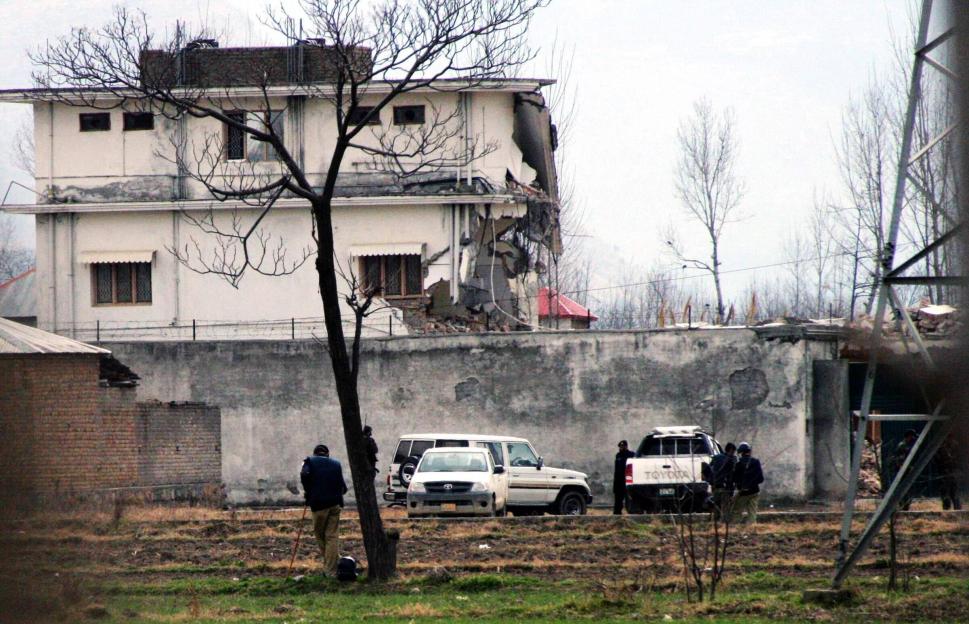 Bin Laden was tracked down to a compound in the Pakistani holiday town, Abbottabad Credit: Alamy
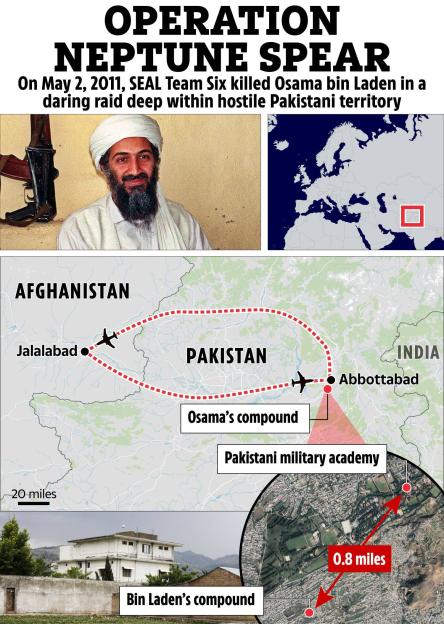
As the destiny date drew nearer, they were jetted out on bespoke, never-before-used helicopters to a US airfield in Jalalabad, Afghanistan.
O’Neill says: “We were comfortable with it being a one-way mission, because if we’re gonna die, we’re killing bin Laden, that’s what we all came to do.
He recalled the heartbreaking moment he said a “forever” goodbye to his children.
“What was hard there was I couldn’t tell them where I was going,” O’Neill says.
“They had just celebrated me coming back. And my youngest girl was three. But they’re strong, and we’re away from our kids 320 days a year, so they’re used to it.
“But I had to leave again, and I said, this is my goodbye to her forever. And I can’t cry in front of them.
“My three-year-old went up and got a Hello Kitty carry-on. She packed a pillow and her favourite Mr Elephant, and she said, as best as a three-year-old can, ‘you’re taking me on vacation when you get back.'”
When O’Neill touched down in “J-Bad” the next day, he wrote letters to his kids, and recalls one addressed to his seven-year-old daughter.
He says: “I didn’t write to the seven-year-old, I wrote to the 27-year-old. I said, ‘I’m really sorry I couldn’t be at your wedding. I know you’re beautiful, and thank you for taking care of your sisters.’ Tears were hitting the pages.”
Despite consternation among the White House top brass, O’Neill had complete faith that CIA chiefs were not leading them on a wild goose chase.
He explains: “I was 100 per cent – because of the team that found him. Every time that we trained, [Maya] would point to a model and say – ‘Right now, Osama bin Laden is on the third floor of this house. I don’t understand why we’re not launching. Have a good night.'”
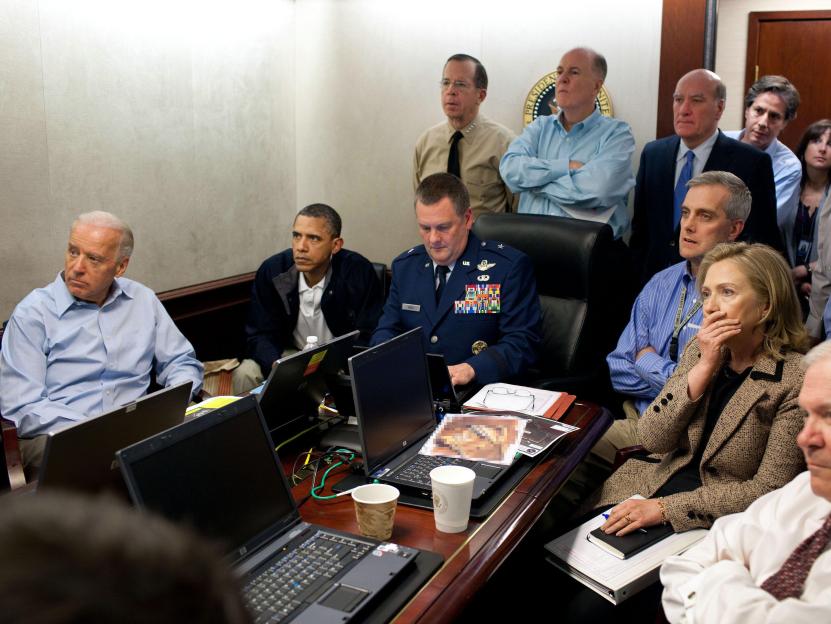 Then President Barack Obama and Vice President Joe Biden, along with with members of the national security team, during Operation Neptune Spear Credit: Alamy
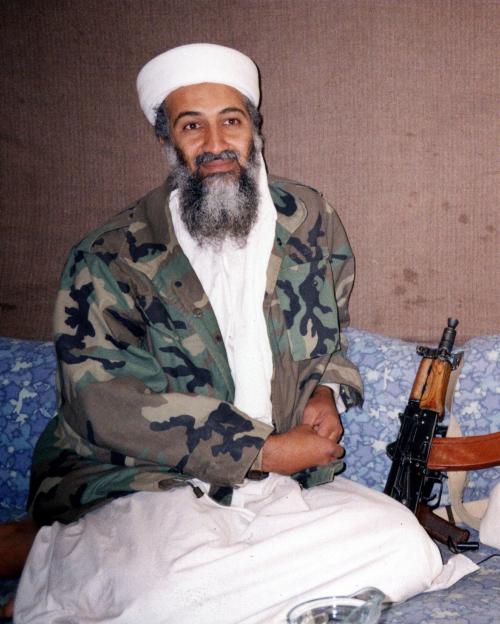 Bin Laden taunted the West from the shadows for over two decades Credit: Alamy
A gruelling 90-minute flight over hostile Pakistani territory took the SEALs to Abbottabad – with Obama and his top officials enduring a nail-biting wait until the team reached its target.
But for O’Neill and his brothers-in-arms, the journey felt like just another day at the office.
“There’s no point in worrying about getting hit with a missile, I’m not going to stop it,” shrugs O’Neill.
“Fear’s fine. It’s okay to be afraid, because fear makes you think more clearly. But if you’re afraid of that, you might panic. And panicking in a helicopter, flying in a pack, is a bad idea.
“That’s why I would count to myself and just get my mind off of that.”
But the mission suffered an alarming setback when the lead helicopter crashed while trying to land within the compound walls.
“Dash one was gonna hover in front of the house,” O’Neill explains.
“But for whatever reason, the pilot couldn’t hold it, and he decided to crash and land it, because he knew if he powered through, he’d crash and kill everyone.
“Pilots are the heroes on this mission. And being honest, pilots are the heroes on every mission.”
O’Neill’s team – dash two – was meant to drop off snipers on the roof, but the first helicopter’s unexpected crash prompted the pilot to find safer ground.
“Now I’m looking over a wall up at bin Laden’s house,” says O’Neill
A breacher moved quickly to put a C6 charge on a set of double doors, but the team suffered a second setback when the explosion revealed a tall brick wall behind them.
While a failed breach is usually cause for concern, it only served to put wind in O’Neill’s sails.
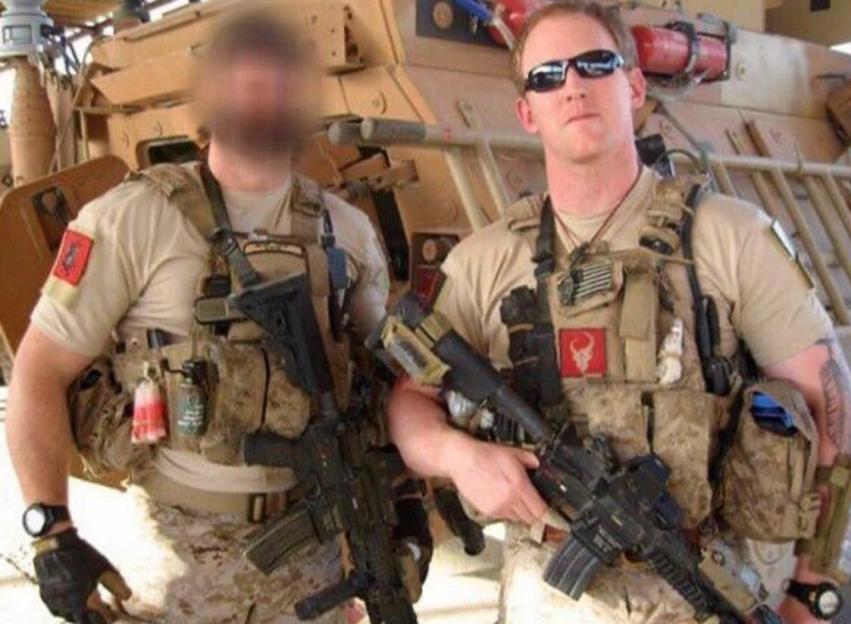 O’Neill pulled off several high-risk missions in his decorated military career Credit: instagram/@devgru.archives
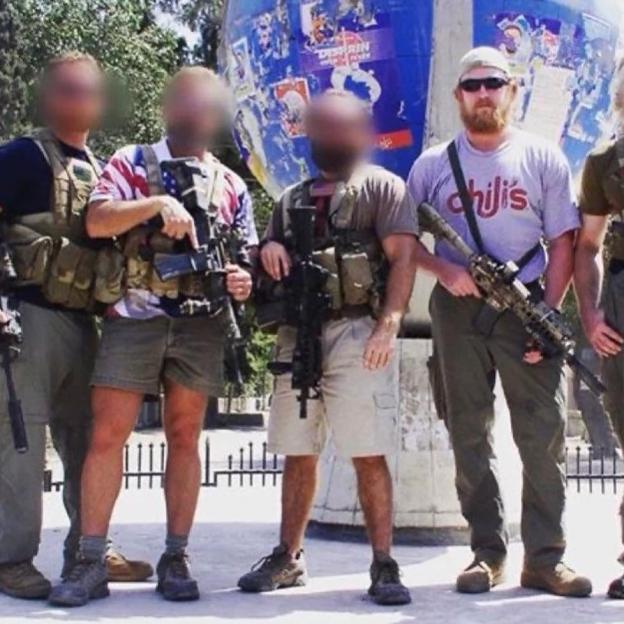 SEAL Team Six is one of the most feared military units on the planet Credit: instagram/@devgru.archives
“This is good, because that’s a fake door,” he says.
“Nobody puts a fake door in their house. He’s in there.”
Once the SEALs charged the compound, they moved methodically through the lower floors before stacking up at the staircase.
“We thought there were suicide bombers waiting at the top,” O’Neill says.
There was no clear sightline or guarantee of what was behind the curtain hanging where a door should have been.
O’Neill found himself directly behind the point man – the lead soldier in a patrol who serves as the team’s eyes and ears – with no time to wait for reinforcements.
“He wants more guys, I don’t have them, so we go,” he says.
“I remember looking down and thinking I’m going to eat an explosion. I’m f***ing tired of thinking about it. Go.”
After charging bravely up the staircase, the point man surged through and grabbed two figures, believing them to be suicide bombers.
In a split second, the path was clear and O’Neill broke left into the room.
“My first thought was how skinny he was,” he says.
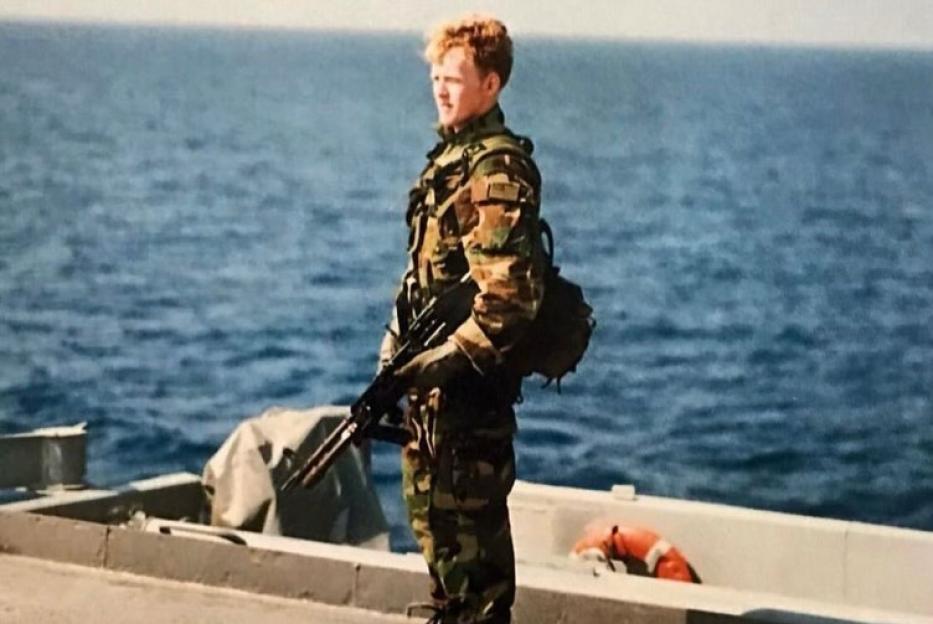 O’Neill joined the US Navy as a bright-eyed recruit in 1996 Credit: instagram/@devgru.archives
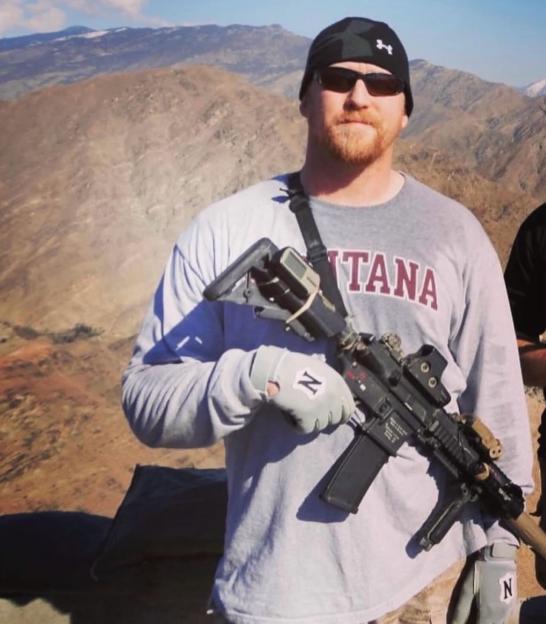 The legendary SEAL from Butte, Montana found his way to war-torn regions of the Middle East Credit: instagram/@devgru.archives
“But I knew it was him.”
Osama bin Laden was standing right in front of him – lanky and emaciated – and moving to get behind his injured wife.
“Boom, boom, boom. I shot him three times.”
O’Neill recalls feeling sympathy for the terrorist’s two-year-old son, Hussein.
“As a father, my first thought was this kid has nothing to do with this.”
Downstairs, the house was stripped for intelligence as operators tore through rooms looking for anything of value.
The team grabbed computers, hard drives, and documents in a frantic effort to extract as much intelligence as possible before time ran out.
Outside the compound, O’Neill helped carry bin Laden in a body bag through the courtyard and out towards the extraction point.
Explosives were set to destroy the stricken helicopter, blasting any sensitive before it could fall into the wrong hands.
A replacement Chinook helicopter roared into action to pull the team out, and everyone’s attention shifted to survival.
“If I can live for 90 minutes, I get to see my daughters,” he recalls thinking.
The flight out of Pakistan was tense and quiet at first, with Pakistani fighter jets following the helicopters in tow.
Eventually, he says: “The pilot came over the radio in that monotone pilot voice and said: ‘All right, gentlemen, for the first time in your lives, you’re gonna be happy to hear this. Welcome to Afghanistan.'”
In the years that have followed, O’Neill has faced scrutiny over his account.
Matt Bissonette, another SEAL Team Six member on the raid, argued in his book No Way Out that a different, unnamed commando fired the fatal shots.
O’Neill insists: “I am telling you on a Bible, I am the last guy to look in his eyes as he’s standing up.
“I’m not bragging. I’m just telling you what happened.”
Continue reading
NSUBEB chairman tasks communities to protect completed school projects
The Executive Chairman of the Niger State Universal Basic Education Board, NSUBEB, Dr. Ibrahim A. Liman, has warned communities benefiting from government-funde...

Do not sacrifice professionalism for mediocrity – OGIRS boss charges CITN members
Members of the Chartered Institute of Taxation of Nigeria, CITN, have been charged not to sacrifice professionalism for mediocrity in order to keep upholding th...
Curfew imposed in three Taraba communities over communal unrest
The chairman of Sardauna Local Government Council in Taraba State, Mohammed J. Umar, has declared a 24-hour curfew in Mbamnga and two neighbouring communities f...
Brit soldier, 40, killed in crash in Ukraine pictured as heartbreaking tributes paid to ‘exceptional leader’
THE UK armed forces member who died in Ukraine this weekend has been named by the Ministry of Defence as 40-year-old Major Paul Wilks. Tributes flooded in to th...