A Nigerian criminologist has raised serious concerns over recent mass killings in parts of the country, warning that growing insecurity could open the door to foreign military intervention and threaten Nigeria’s sovereignty.
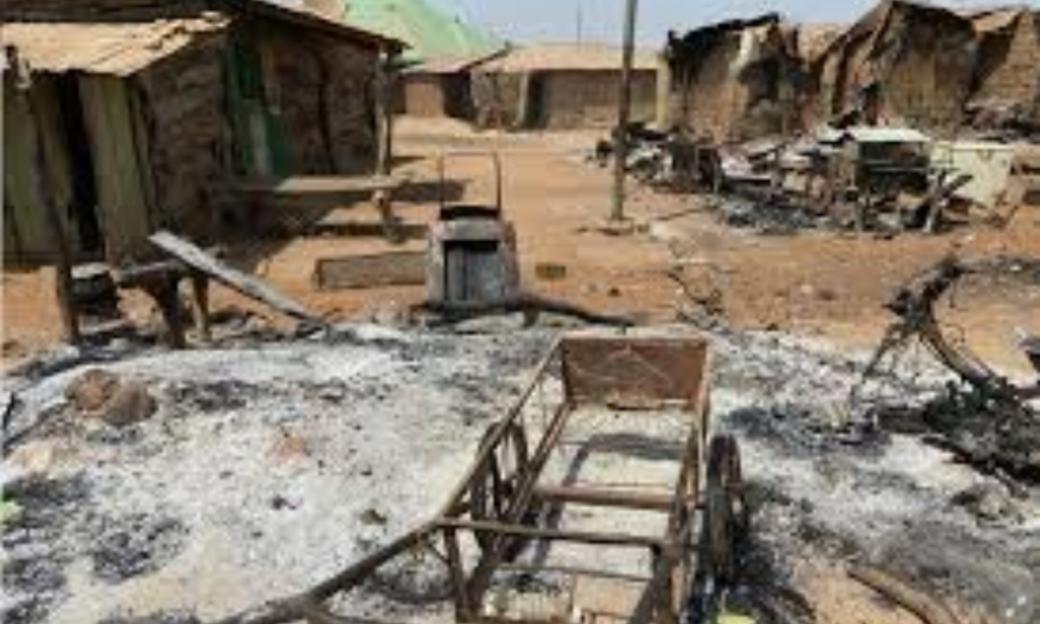
Dr. Suleiman Isyaku Muhammad of the Department of Criminology and Security Studies, University of Dutse spoke while reacting to the deadly attacks in Kwara and Katsina states on February 4, 2026, which he said left more than 200 people dead within days.
In an interview with DAILY POST, he said the killings, particularly in Kwara State, have sparked questions at home and abroad about Nigeria’s security system and the government’s response to violent attacks.
“The massive killing of almost 170 persons in Kwara, Kaima district, attracts a lot of questions from the Nigerian citizens and from across nations on the security architecture or what policies government is trying to put in place to ensure safety and protection of citizens of Nigeria,” he said.
Muhammad said the situation has coincided with reports of increasing United States military involvement in counter-terrorism operations in West Africa.
He noted that the US has argued that its presence is aimed at fighting ISIS affiliated groups, including ISWAP.
“However, we should note that the coming of the U.S. military into Nigeria is a military operation in Africa against the Islamic State affiliated operations,” he said.
He explained that the US has indicated plans to work with the Nigerian forces under the framework of AFRICOM, adding that American officials believe joint operations could help address the security crisis.
“The General who is in charge has argued that the U.S. military will join its forces with the Nigerian military to ensure a strategy that could help in finding solution to the security situation of the Nigerian society,” he stated.
Despite this, Muhammad strongly warned against foreign military intervention, saying it could undermine Nigeria’s independence.
He pointed to a reported US airstrike in December as an example of breach of sovereignty.
“The first airstrike by the U.S in Nigeria has opened many questions, because that December U.S. airstrike shows that Nigerian sovereignty has been undermined,” Muhammad said.
He added, “It shows a breach of sovereignty. Nigeria being an independent state has its own security policies and its own decisions regarding the security challenges it faces.”
He cited examples from other countries to support his argument, including Afghanistan, Iraq, Mali, and the Philippines, where foreign military involvement, he said, worsened long-term security problems.
“If you look at Afghanistan, 20 years of this military support, the country is still facing this similar problem, even more than before the arrival of the U.S.,” he said.
He also warned that economic interests could be driving foreign involvement, mentioning natural resources such as oil, lithium, and gold.
“The U.S. does not go to you and gives you a security aid without getting anything from you,” he said.
He went further to state that foreign military presence could also affect Nigeria’s foreign policy and diplomatic independence.
“We have to compromise some of our policies, and they have to now guide who we relate with and how we relate in the international community, which is a problem,” he warned.
Muhammad further questioned who would ultimately control security operations if foreign troops are allowed into the country.
“When you send your troop into a nation, you have already taken control of that nation,” he said.
He called on Nigeria’s political leaders and security agencies to reconsider any arrangement that could deepen foreign military involvement.
“I call on the Nigerian president, I call on the members of the Senate, members of the House of Representatives, and whoever is in charge, to advise the president on this,” he said.
He urged the government to protect Nigeria’s sovereignty and avoid turning the country into a foreign military base.
“We must make sure that the United States of America does not make Nigeria its base and does not deploy more of its troops, because that may really compromise our sovereignty as a nation,” he told DAILY POST.