A NEW ban on energy drinks is set to be introduced, and anyone found selling to schoolchildren will be slapped with a hefty fine.
The Government has set out the exact fixed notices that will be handed out in the new plans.
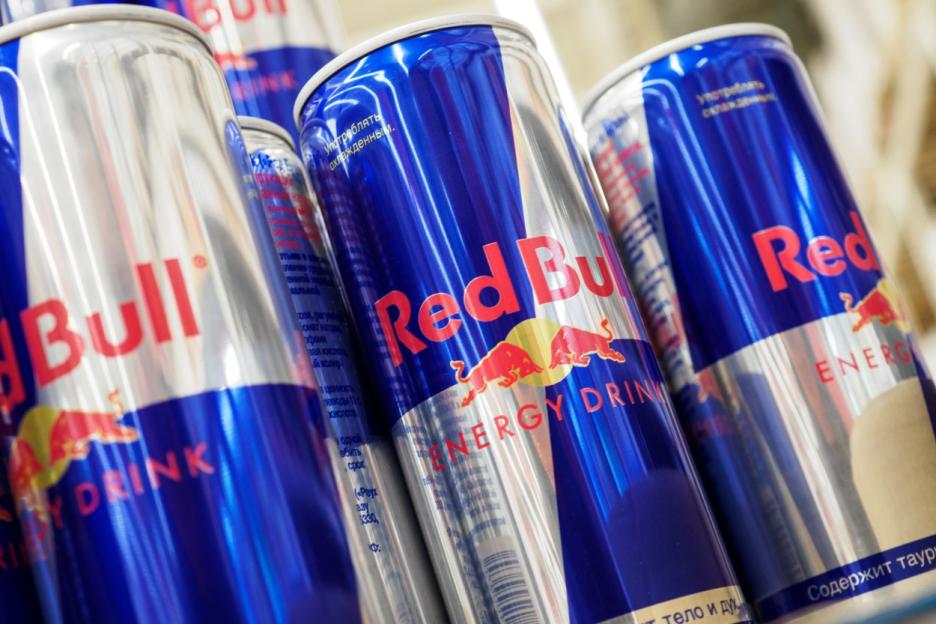 Retailers are set to be fined up to £2,500 if they are caught selling energy drinks under the new ban Credit: SOPA Images/LightRocket via Getty Images
The Government has announced it will be introducing , prohibiting the sale to children under 16 years of age.
Under the new rules, it will be illegal to sell drinks that contain more than 150mg of caffeine per litre to under 16s.
Some drinks are exempt from the new ban, including tea, and lower-caffeine soft drinks, such as and Pepsi.
However, popular brands like Red Bull, Monster, Prime and Relentless all breach the caffeine limits and will no longer be sold to children.
Fixed monetary penalties are set to be introduced, but it won’t be kids or parents who face the fines.
It will be up to to uphold the ban, and make sure that the drinks are not sold to children.
Anyone that fails to uphold the ban faces a fine of up to £2,500.
Plans set out by the government will give local authorities the power to enforce the ban and hand out the fixed penalty notices.
Authorities will hand out either a notice of intent or a final notice.
If a notice of intent is issued, the person or business who received the fine will have 28 days to pay 50 per cent of the sum of the total fine or object.
If a final notice is issued, the person or business who received the fine will have 28 days to pay the fine or appeal.
The government is also planning to introduce a tiered fine system depending on the size of a retailer.
with less than 50 employees will be issued penalties of £1,500, whereas larger businesses will face fines of £2,500.
Subject to parliamentary approval, the ban is expected to come into force in April 2027.
A consultation took place in autumn 2025 with participants asked a series of questions regarding the proposals for the ban.
This received nearly 1,100 responses from businesses, public health organisations, enforcement bodies and members of the public, with many in favour of imposing the ban.
The new rules will apply to sales of energy drinks in all retail settings, including shops, websites and online.
Vending machines will face a total ban on the drinks, preventing youngsters from bypassing the new legislation.
However, business-to-business sales will be exempt.
Up to a third of children in the UK consume at least one energy drink per week, with boys particularly high consumers.
Public Minister, Sharon Hodgson, said: “High-caffeine energy drinks have no place in children’s hands.
“We know thousands of kids in England consume them daily but the evidence is clear that this can cause anxiety, affect their and concentration and can have a detrimental impact on their education.
“This ban will reduce children’s opportunity to buy drinks that are harmful to their health and wellbeing, and demonstrates our firm commitment to creating the healthiest generation of children ever.”
Most major supermarkets have already voluntarily stopped the sale of the high-caffeine drinks to children, however, the Department of Health has said that research seems to indicate some smaller convenience stores have continued selling the drinks to youngsters.
Education Minister, Olivia Bailey, said of the new rules: “This ban will protect children from high-caffeine energy drinks that undermine their health and focus in the classroom, so they can make the most of all the exciting opportunities ahead of them.
“It will go hand in hand with our overhaul of school food for the first time in over a decade to ensure children across the country have delicious, nutritious food that helps them thrive.
Teachers’ union NASUWT was in favour of the ban, with general secretary Matt Wrack saying the union has “long campaigned for a ban”.
He said: “Teachers and school leaders continue to see first-hand on a daily basis the contribution energy drinks can make to poor pupil behaviour and pupils’ ability to concentrate in class.
However, not everyone is in favour of the ban.
The new rules were deemed “unnecessary” by The British Soft Drinks Association.
A spokesperson said: “BSDA members have led the way in responsible retailing through the Association’s long-standing voluntary Code of Practice.
“Since 2010, our members have committed not to market or promote the sale of energy drinks to under-16s, and all high-caffeine beverages carry a “not recommended for children” label.
“The available evidence shows that the majority of caffeine consumed by children and adolescents comes from sources other than energy drinks.
“The UK Government’s decision to introduce legislation restricting the sale of energy drinks to under-16s in England is unnecessary – and not supported by robust evidence of overconsumption or harm, as the consultation response itself acknowledges.”
Energy drinks have surged in popularity among youngsters in recent years, with sales of the viral Prime drink soaring after the product was promoted by YouTubers KSI and Logan Paul.
The energy drink legislation follows the recent Government announcement of a .
The crackdown on social media would see total restriction for children under 16, and .
Under the plans, under 18s will have social media disabled between midnight and 6am.