The Gas Exporting Countries Forum, GECF, has highlighted Nigeria’s broad range of initiatives to drive down greenhouse gas emissions, putting the country on global spotlight as providing leadership in developing acceptable standards for operating oil and gas companies.
Secretary General of the GECF, Dr. Philip Mshelbila, said that Nigeria has shown great leadership on methane reduction giving the world a concrete example of the key action necessary to reduce methane emissions and bend the curve on climate change.
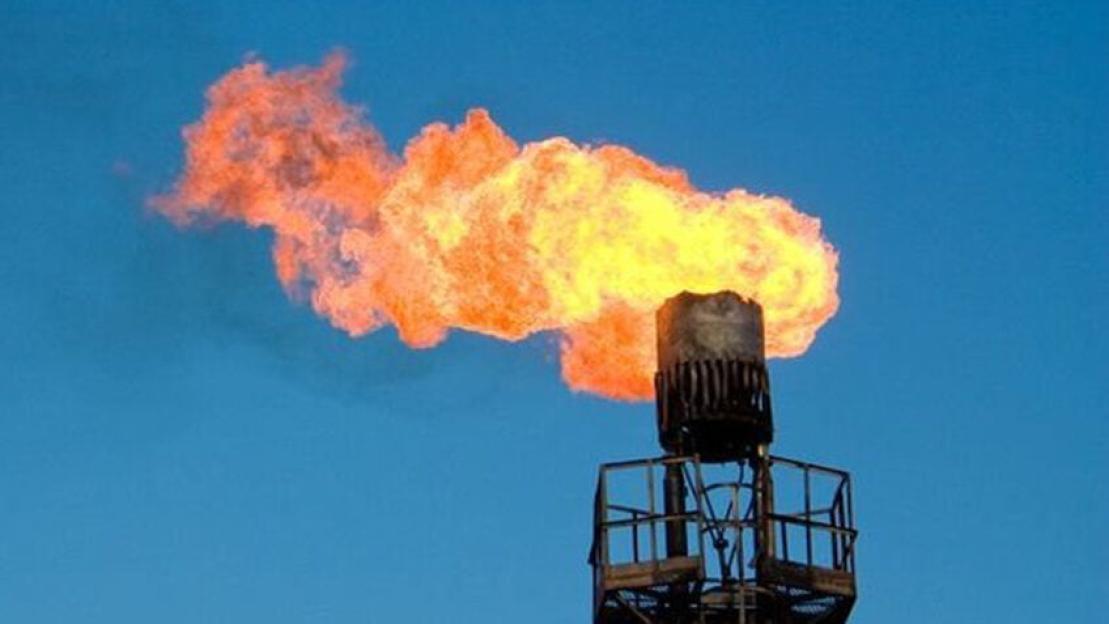
Speaking during a panel discussion at the 2026 International LNG conference in Doha, Qatar, on Monday, Mshelbila, pointed out that the establishment and operation of the Nigeria LNG, NLNG, serves as a major milestone in reducing methane emissions and gas flaring in Nigeria, having cut flaring volumes by over 40 per cent in 26 years.
By monetizing associated gas, NLNG has significantly reduced environmental damage, with ongoing efforts to achieve further reductions via new, efficient technology and asset upgrades.
Mshelbila, who is also the immediate past managing Director of the NLNG, spoke on the panel with theme’ Tackling Methane Emissions In The LNG Sector’, further highlighted key initiatives by the government to commercialize the country’s vast gas reserves.
Importantly, the decade of gas initiative represents Nigeria’s ambition to maximize its gas resources and reserves, estimated at 200 trillion cubic feet an initiative that aims to bridge energy access gaps, increase government revenues, and drive industrialization to achieve economic growth.
The decade of gas spans from 2021 to 2030 and as part of this effort, the government launched the Decade of Gas Initiative.
This initiative seeks to transition Nigeria’s energy use to gas and it includes switching to compressed natural gas (CNG) for transportation, moving from kerosene and charcoal to liquefied petroleum gas (LPG) for domestic cooking, and increasing the use of gas in power generation. These ambitions align with Nigeria’s sustainable development goals for energy access by 2030.
Mshelbila, also spoke of the country’s broader economic growth initiatives through increased gas exports to generate revenue.
Also, in line with its policy drive in that direction the government recently placed green finance at the centre of its strategy to accelerate its energy transition.
President Bola Ahmed Tinubu recently unveiled plans for a $2 billion climate fund at the Abu Dhabi Sustainability Week summit.
The announcement reflects Nigeria’s efforts to harness private and international capital to support climate-smart development and reduce greenhouse gas emissions.
Tinubu stated that the new National Climate Change Fund will aim to raise $2 billion to finance projects that reduce emissions and enhance resilience to climate impacts.
Nigeria’s Climate Investment Platform is expected to mobilise at least $500 million for climate-resilient infrastructure across the economy.
The president pointed to robust demand for climate-linked financial instruments as evidence of growing investor confidence in Nigeria’s sustainability agenda.
Mshelbila, said Nigeria aligns its policy pathway to GECF, which focuses on decarbonizing the natural gas industry, utilizing carbon capture, utilisation, and storage (CCUS) and blue hydrogen to align with global climate goals.
He said member countries are advancing technologies to lower emissions from existing gas assets.
Other speakers at the panel discussion which include, Kavita Ahluwalia, Senior Vice President of Governmental Relations International at Uniper, Ken West, President and CEO Process Technology at Honeywell, Arnaud Lenail-Chouteau, Vice President LNG Assets and Business Development at TotalEnergies, spoke about strong partnerships and collaboration among oil and gas producing countries to eliminate greenhouse gas emissions.
The panelists were of the view that only collaboration could help accelerate the transition to clean energy and warned on consequences of promoting sanctions and setting timeline for countries without the resources to invest in technologies to achieve global target of zero emissions.
In his remarks on that, Mshelbila, said that shutting countries out of the global market for not meeting certain set deadlines will lead to trade exclusion.