
Democracy's Ongoing Struggle Against Misinformation and Electoral Malpractice
National Chairman of the Independent National Electoral Commission, INEC, Prof. Joash Amupitan, has noted that democracy is constantly battling, among others, t...
 Written byEze Chidiebere Paul
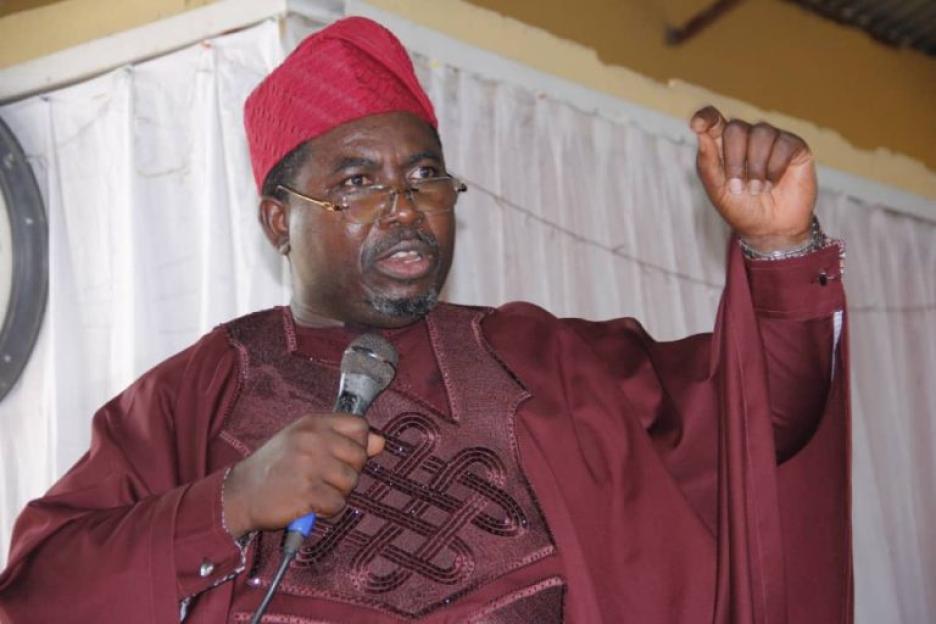
Table of Contents
- Challenges Facing Democracy
- Proactive Approach to Securing Democracy
- Importance of Credible Elections
- Accountable Governance
- Integration of Technology in Elections
- Collaboration with Agencies
- Role of Civil Society
The National Chairman of the Independent National Electoral Commission (INEC), Prof. Joash Amupitan, has emphasized that democracy is continually challenged by the detrimental effects of misinformation, electoral malpractices such as rigging and vote-buying, as well as violence.
Amupitan stated that securing the nation's democracy necessitates a proactive, multi-sectoral approach.
The INEC chairman spoke at the Nigeria Civil Society Situation Room's stakeholders' forum on elections held in Abuja on Thursday.
This year's theme is “Securing Nigeria’s Democracy: Building Consensus for Credible Elections and Accountable Governance,” which Amupitan described as a significant articulation of the shared mission.
“Our democracy is constantly challenged by the harmful effects of misinformation, electoral malpractice such as rigging and vote-buying, and violence. Therefore, securing our democracy requires a proactive, multi-sectoral approach,” he remarked.
“Secondly, the notion of building consensus for credible elections is crucial because credible elections form the undeniable, non-negotiable foundation of democracy.
“Nevertheless, credibility is a public trust that can only be established when all stakeholders—including political parties, the media, security agencies, civil society, and INEC—agree on and adhere to the electoral rules and principles.
“Accountable governance, which is the third component of today’s theme, pertains to the quality of governance that credible elections produce. If the electoral process is fair, the government is legitimate, and legitimacy is the cornerstone of political accountability.
“When citizens believe their votes matter, they empower themselves to hold their leaders to the highest standards.”
Amupitan highlighted some of INEC's strategic responses, including the systematic integration of technology, supported by the Electoral Act 2022, into the electoral system.
He added, “The deployment of the Bimodal Voter Accreditation System (BVAS) has fundamentally transformed the process. It ensures that only genuinely accredited voters can cast their ballots, effectively eliminating over-voting and manual manipulation.
He also noted that the “INEC Result Viewing (IReV) Portal has made the electoral process transparent, allowing results to be available for public scrutiny on election day. This transparency sets a new standard for trust in our process.
However, he cautioned that technology alone is not a cure-all, as the nation’s telecommunications infrastructure remains a significant challenge.
“To safeguard democracy, technological integrity must be complemented by political accountability. We acknowledge that vote-buying and financial inducements undermine the will of the people. To address this, we have strengthened our collaboration with law enforcement agencies through the Inter-Agency Consultative Committee on Election Security (ICCES),” he stated.
“The strategic deployment of security personnel and covert intelligence operations at election centers is intended to protect voters from intimidation and resist inducements. This is a collective battle that requires a unified effort.
“Civil Society Organizations must actively participate in holding all stakeholders, including political parties, accountable. The Situation Room, as the leading civil society network, is crucial in advancing this consensus by monitoring compliance, promoting civic education, and ensuring that the Commission and all actors adhere to the highest standards of the law and procedure.”
Frequently Asked Questions
What challenges does democracy face in Nigeria?
Democracy in Nigeria faces challenges such as misinformation, electoral malpractices like rigging and vote-buying, and violence.
What is the significance of credible elections?
Credible elections are essential as they form the foundation of democracy and are built on public trust among all stakeholders.
How does INEC plan to secure elections?
INEC plans to secure elections through the integration of technology, such as the Bimodal Voter Accreditation System (BVAS) and the INEC Result Viewing (IReV) Portal, as well as collaboration with law enforcement agencies.
Continue reading
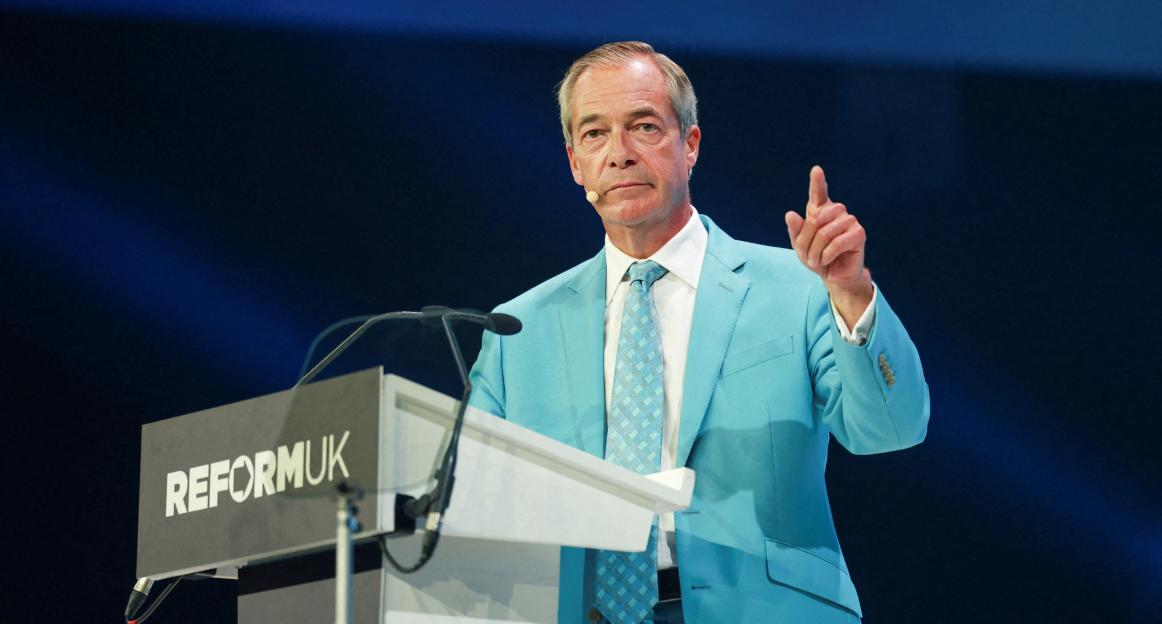
Nigel Farage secures ANOTHER £36m donation from second crypto billionaire in under 24 hours
REFORM UK has gained a second bumper donation of £36million, making a total of £72m in the space of just 24 hours. Nigel Farage’s party announced it had been gi...
FG fumes over murder of two Nigerians in South Africa, demands probe
The Federal Government has demanded immediate investigations into the deaths of two Nigerians in South Africa. A statement by the Ministry of Foreign Affairs id...

Dangote Refinery IPO: ‘Investors may receive N50m profit from N5m investment’
Aliko Dangote, President of Dangote Group, has said the Dangote Refinery Initial Public Offering, IPO at N525 per share could record a 1,804.76 percent increase...
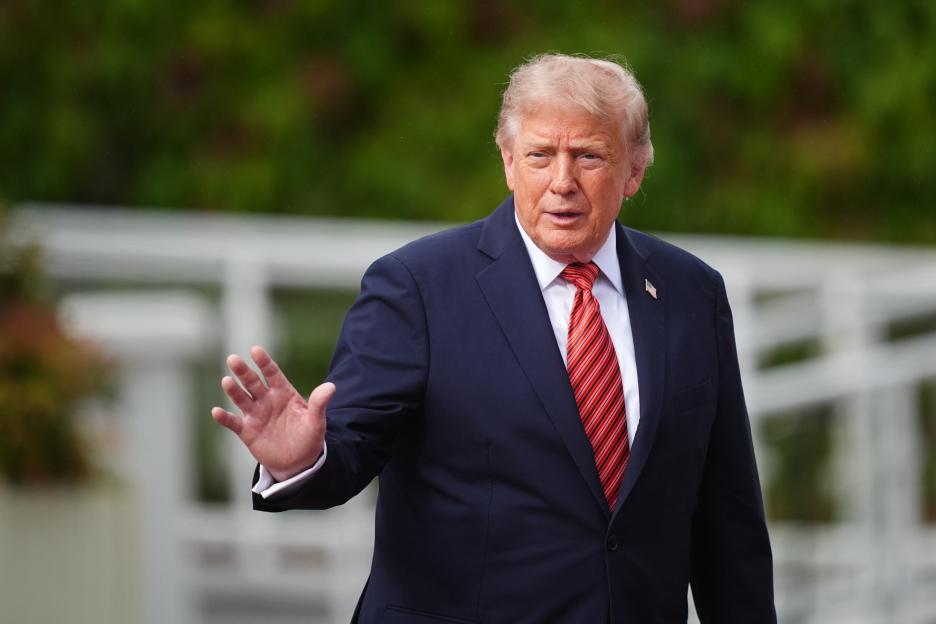
Trump says Falklands war would be ‘potential disaster’ & boasts he could fix UK-Argentina conflict amid Ireland visit
DONALD Trump has boasted he could “settle” any conflict over the Falkland Islands, describing a war between the UK and Argentina as a “potential disaster”. The...