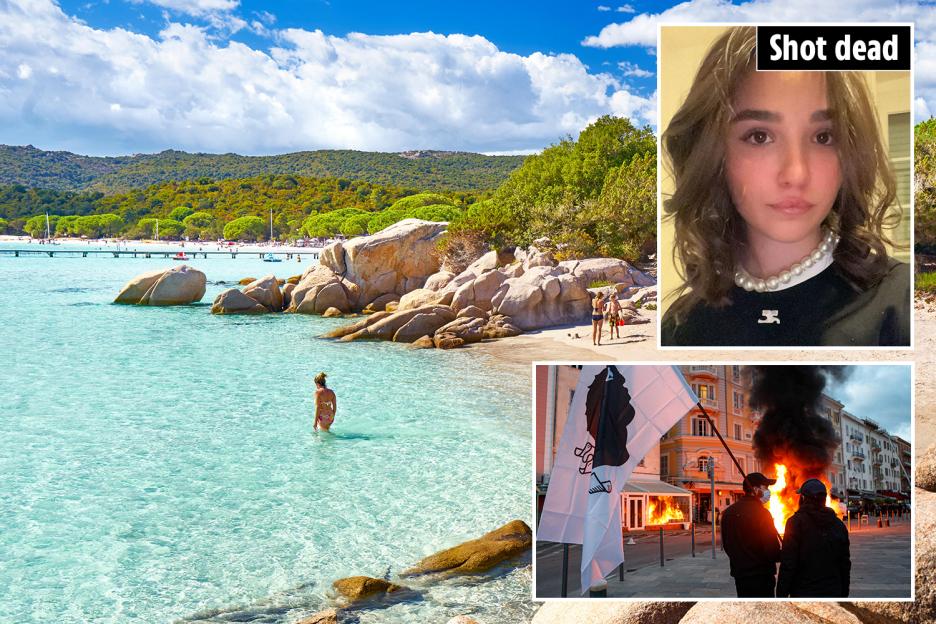
EVERY summer, throngs of British holidaymakers flock to this sun-drenched French island, seduced by scenery more reminiscent of the Caribbean than the Mediterranean.
But beyond the turquoise waters and sugar-soft beaches, the picturesque holiday hotspot harbours a far darker reality of turf wars, bloodshed, and lawlessness.
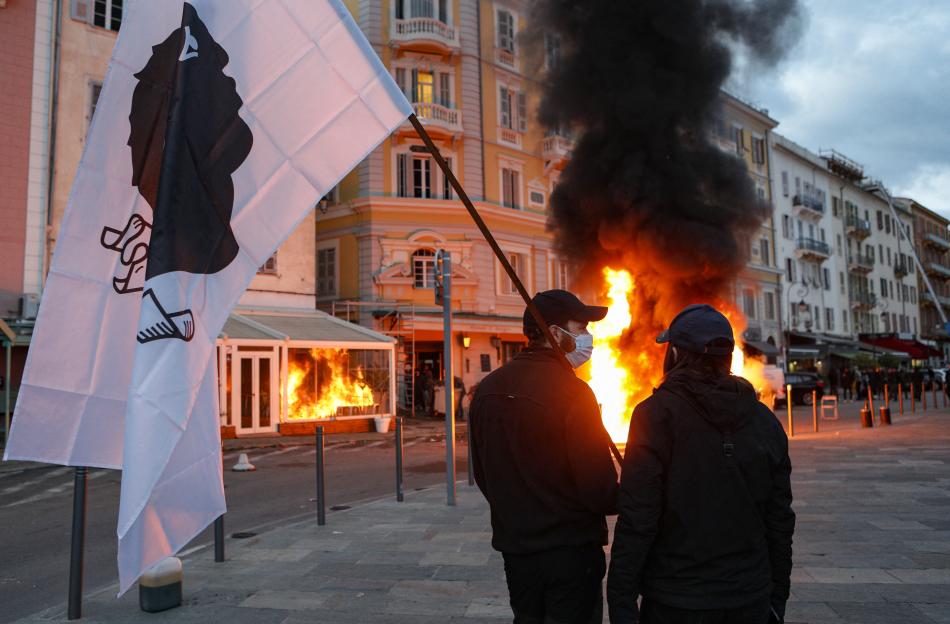 Corsica has been scarred by shootings and bombings for decadesCredit: AFP
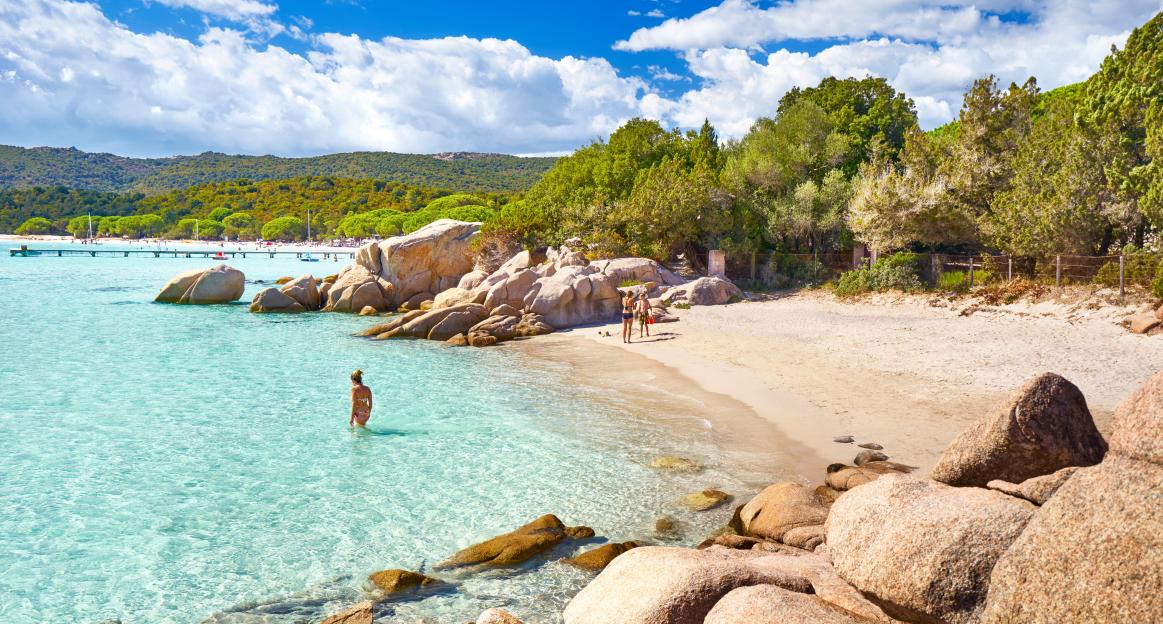 Beyond the turquoise waters lies a far darker realityCredit: Alamy
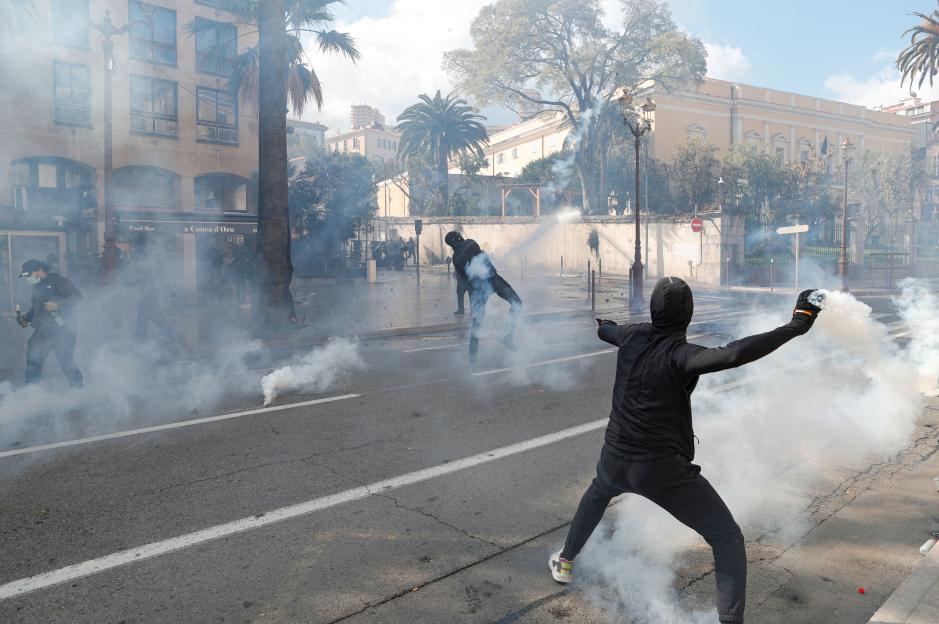 Officials say the dark side of Corsica has intensified drasticallyCredit: AFP
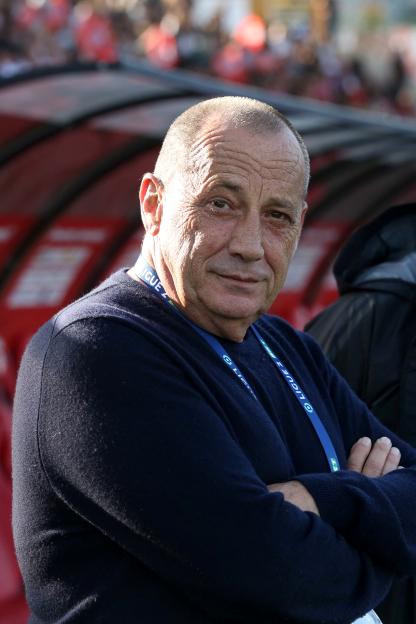 Political figure Alain Orsoni was shot dead by the mafia at his own mum’s funeralCredit: AFP
Beneath Corsica’s postcard-perfect surface, which lures three million visitors each year, there’s a deeply entrenched criminal underworld, stretching across drug trafficking, organised , illegal and ruthless racketeering.
It is a shadow economy that has long thrived away from the gaze of sun-seeking tourists – and has intensified drastically in recent years.
Speaking with The Sun, Léo Battesti, founder of the anti-mafia association Maffia No, A Vitta Iè (No to the Mafia, Yes to Life) says: “This is problem number one for Corsica – we can’t develop our island, we can’t have good autonomy, we can’t have good jobs, and our children cannot be happy.”
Over the last five years, Corsica has quietly recorded one of Europe’s highest murder rates, driven by rival mafioso factions whose roots trace back to the island’s separatist past – a blood-soaked, four-decade-long struggle for independence from France.
This reality was laid bare in chilling fashion last month, when a former club president – once at the helm of AC Ajaccio and a prominent figure in Corsican separatist – was assassinated by a sniper.
Named as the Corsican “godfather”, Alain Orsoni was attending his mum’s on January 11 when a single shot ended his life.
The precision of the killing was striking, but the violence itself was anything but isolated.
What may appear to visitors as an idyllic escape has, for its 400,000 inhabitants, been shaped by a relentless cycle of bloodshed.
A world away from the glossy travel brochures that draw in thousands of Britons each year, Corsica has been scarred by and bombings for decades, with organised crime-linked attacks recorded as far back as 1975.
Seventy-one-year-old Alain Orsoni had just paid his final respects to his mother, Marinette Orsoni, 92, when he was killed.
Father Roger Polge, who conducted the ceremony, said mourners were still grieving when the violence erupted.
“It was a moment of sorrow and grief. Suddenly, we heard a gunshot, and Alain fell dead,” he told France3.
Emergency services rushed to the scene shortly before 4pm, but Orsoni was pronounced dead at the cemetery.
Prosecutors said the killing bore the hallmarks of organised .
“He was hit by a long-range shot,” prosecutor Nicolas Septe told Reuters, as investigators opened a murder inquiry.
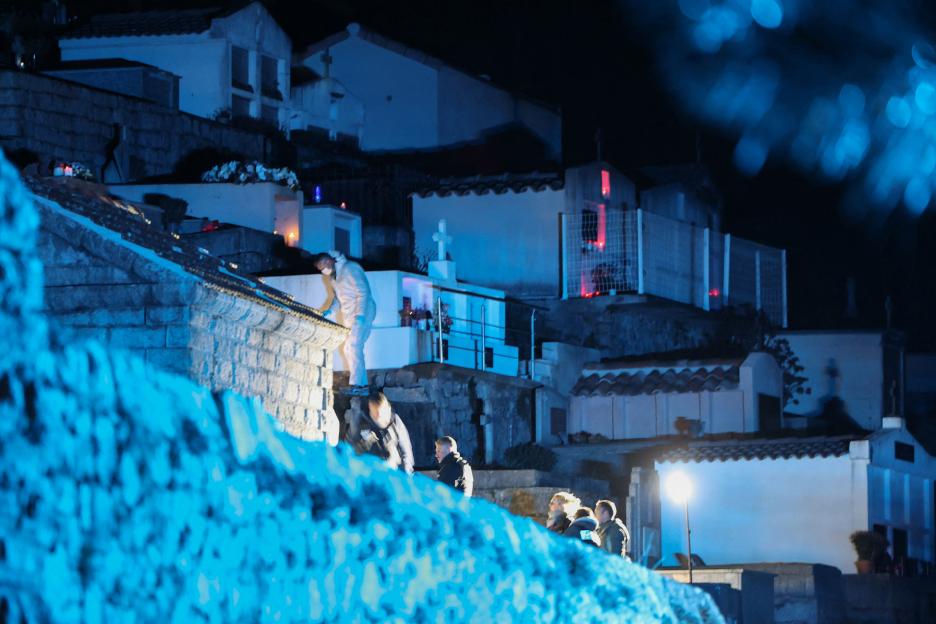 Police officers work at the crime scene where a former Corsican nationalist leader was shot deadCredit: AFP
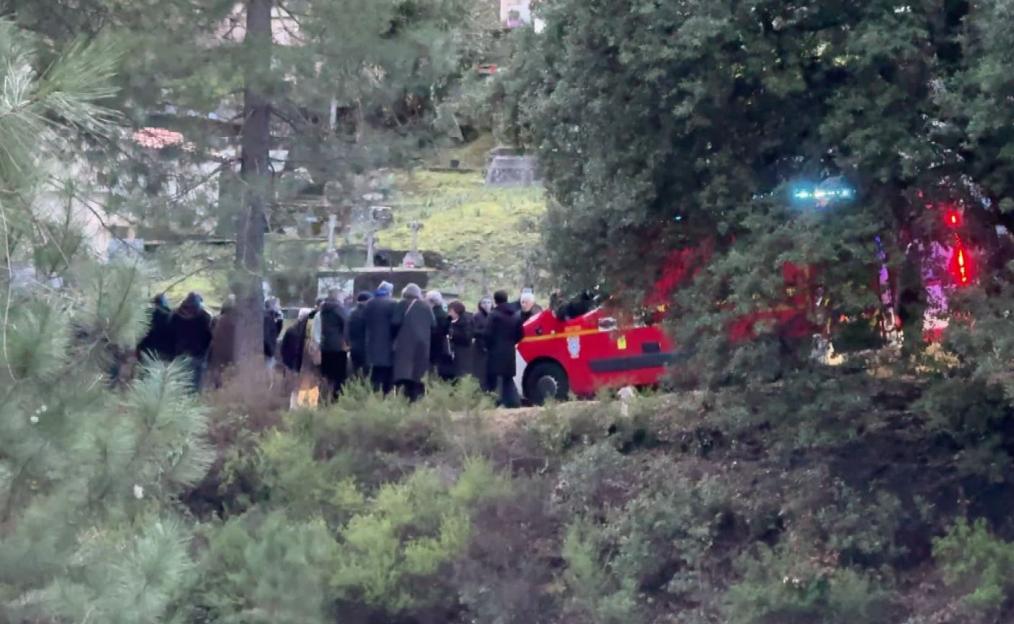 The funeral service for Marinette Orsoni, 92, had just ended when the shot rang outCredit: FTV
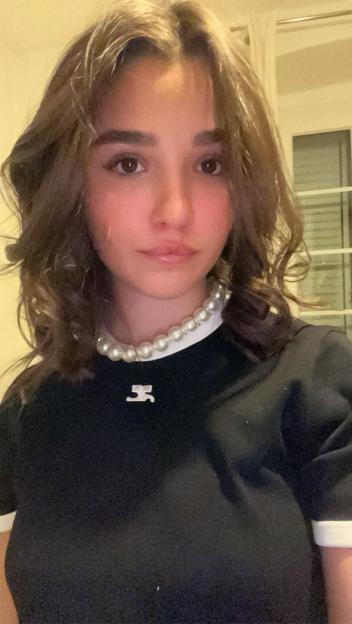 Student Chloe Aldrovandi was shot deadCredit: Facebook
Likewise, the killing of student Chloe Aldrovandi last year highlighted the tragic consequences of being in the wrong place at the worst possible moment.
The 18-year-old student was gunned down in the quiet village of Ponte Leccia on February 15 while behind the wheel of her boyfriend’s car.
Investigators believed the vehicle may have made her an accidental target in a feud she had nothing to do with.
Martin Tomasi, a solicitor originally from Corsica, told The Sun: “Obviously they do not care about the collateral damage to maximise provocation.”
Tomasi, who is also a member of Maffia No, A Vitta Iè, said that most killings are deliberate and carefully “targeted”.
However, he noted that cases like Chloe’s demonstrate how these attacks can go wrong – with devastating consequences.
As Tomasi puts it: “There is no zero risk”.
For a year, Chloe’s death hung like a shadow over the community.
Now, prosecutors have charged two men amid claims the shooting may be tied to a simmering vendetta between rival clans long locked in a bitter dispute.
The suspects face counts of receiving stolen goods from an organised gang and taking part in a criminal conspiracy – charges that hint at a murky underworld operating beneath the surface of tourism.
But for Chloe’s family, the legal moves bring little comfort.
“Could we have protected her? It’s a question I’ll ask myself until the end,” her mother said in a heart-wrenching TV interview.
Anyone who’s in the tourism industry is living in fear and threat.
Martin Tomasi
Once an exclusive escape, the island’s transformation into a mass-tourism magnet has not gone unnoticed by organised crime.
The boom has proved irresistible to Corsican mobsters, long notorious in mainland and the for their links to gambling, nightclubs and drug networks.
With tourism flooding in, the island quickly became a gold mine – not just for legitimate investors, but for gangs eager to muscle into politics, land and development.
Tomasi said: “Anyone who’s in the tourism industry is living in fear and threat.
“They have to sell or give up their because of the mafia – this is the greatest problem.”
In the 1990s, several organised crime figures linked to the old “” underworld drifted back from , shifting from prostitution and gambling rackets to property.
They began snapping up land, constructing buildings and flipping them for sums reportedly five times their original value.
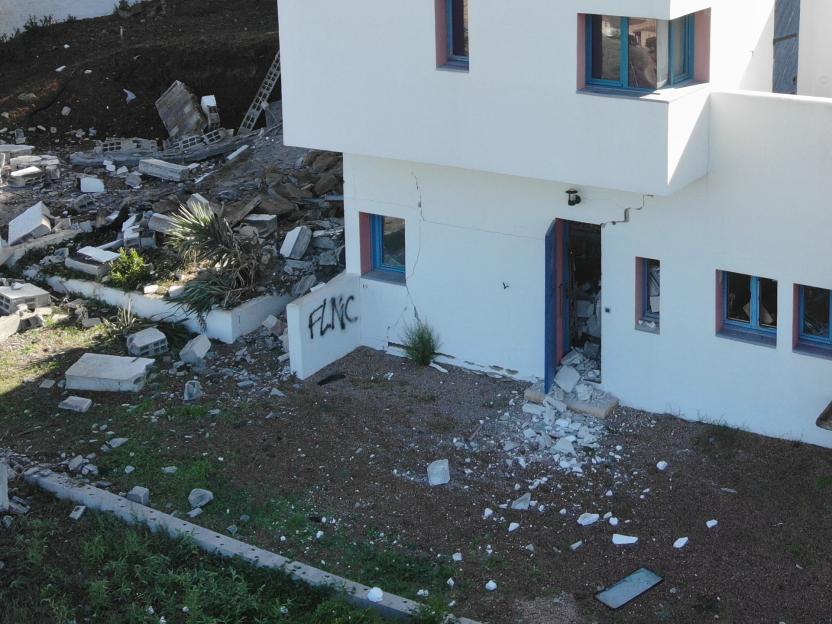 A separatist group claimed a series of explosions in Corsica from October 9, 2023Credit: AFP
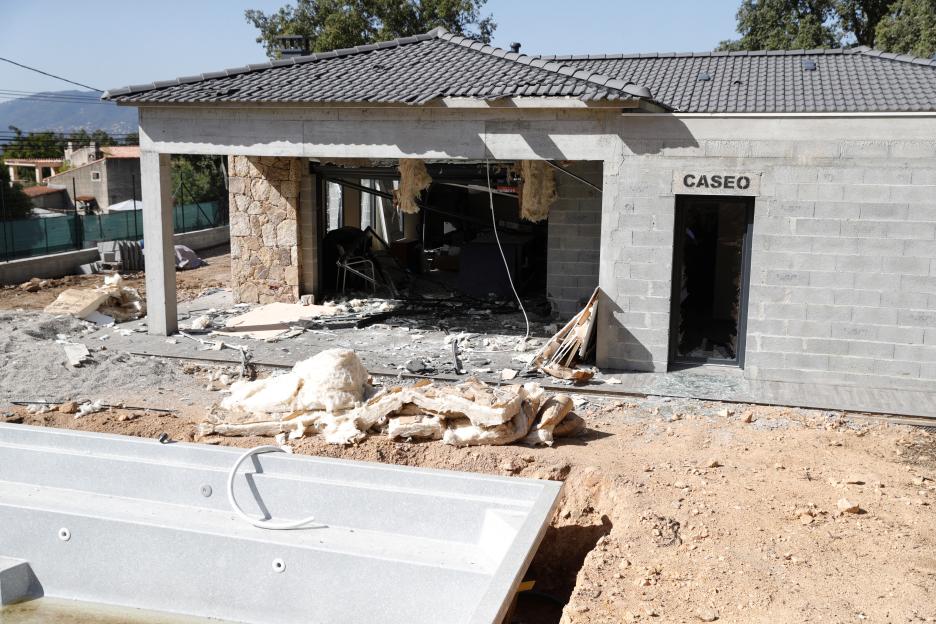 Debris lay strewn outside a damaged house in BastelicacciaCredit: AFP
“They seek to dominate the legal activities they find most profitable,” writes Sirasco (the Criminal Intelligence Service of the Judicial Police).
According to Tomasi, the construction surge is no coincidence.
“The mafia launders its in real estate,” he explained, arguing that criminal cash has played a significant role in the explosion of coastal development.
The result, he suggested, is visible to anyone familiar with the island’s past: “It’s contributed to change in scenery – it’s become more artificial.”
Tomasi describes a system in which criminal groups exert quiet but persistent pressure on the property market, often operating through intermediaries.
We have more assassination per inhabitant in Corsica than in other country in Europe
Léo Battesti
They “use third parties” and “hide behind accomplices who are not identified as criminals,” he said, making the networks difficult to trace.
In some cases, he alleges, local officials face intimidation to approve projects that would otherwise be blocked.
Permits appear in areas where construction should be impossible under planning law – decisions he calls “very suspicious,” noting that, by regulation, “no buildings should be authorised” in such zones.
Mayors, he said, may be subjected to “very strong pressures” and “fear for their lives,” sometimes worrying about attacks on their homes if they refuse to cooperate.
Like any entrenched criminal organisation, he added, Corsican gangs seek to influence the political sphere – and, he believes, “they probably do”.
Deadly region
Beneath the glossy image, it remains France’s deadliest region, with the country’s highest homicide rate at 3.7 killings per 100,000 people.
It is also one of Europe’s most heavily armed territories, with an estimated 350 weapons per 1,000 inhabitants.
Battesti said: “We have more assassinations per inhabitant in Corsica than in any other country in .”
One long-standing vendetta ended in bloodshed in 2017, when a notorious Corsican mobster was gunned down in a tit-for-tat shooting at Bastia airport that also left two others wounded.
On December 5, 2017, Antoine Quilichini, an organised crime boss known as “Tony the Butcher” was killed instantly when two gunmen opened fire.
Quilichini was struck 21 times in the back, before the attacker delivered a final 9mm shot to the head, killing him instantly.
The killer, Christophe Guazzelli, then 32, was raised in the polished ease of bourgeois privilege – he once seemed destined for a life far removed from crime.
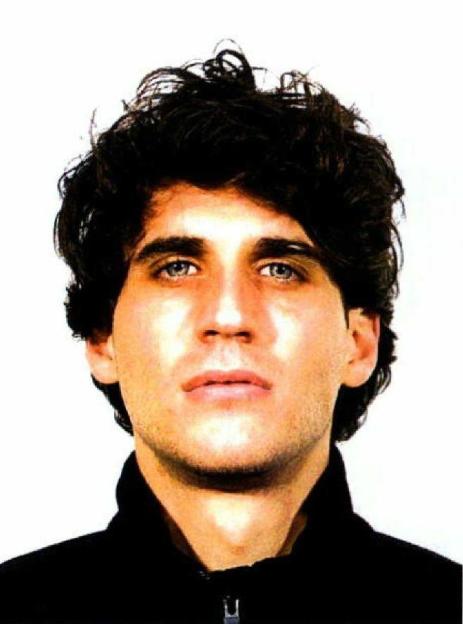 Christophe Guazzelli killed a notorious crime boss in a tit-for-tat shooting at Bastia airportCredit: DR
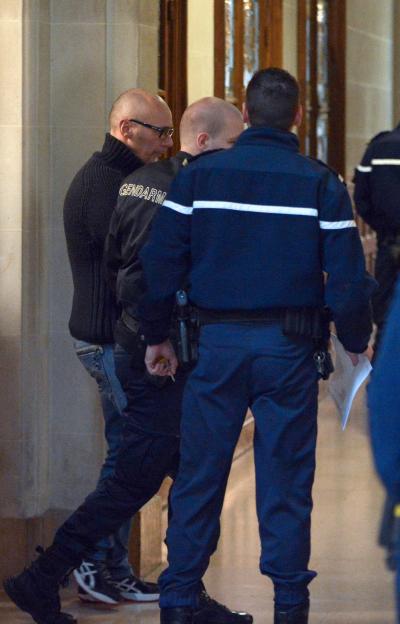 Antoine Quilichini, the organised crime boss in 2012 before his trial for a gang related crimeCredit: AFP
His family had deliberately sent him off the island for years, desperate to shield him from the criminal world that had already claimed too many men.
In 2009, at an airport ambush, gunmen had murdered his father, Francis Guazzelli, one of the original architects of Corsica’s first modern mafia network, Brise de Mer.
Christophe waited a decade, carrying the weight of that airport murder like a ticking clock.
He had only two purposes left: avenge the father whose empire began in a dockside bar, and rebuild that empire by wiping out the enemies who dared to destroy it.
Instead, Guazzelli was sentenced to 30 years of imprisonment after the prosecution established he orchestrated the bitter execution.
In another horror public incident, gunfire shattered the atmosphere inside the Le Lampardo beach bar, just days before Christmas in 2024.
A firefighter was shot dead, and six others were injured during a shooting that unfolded in the middle of a night out.
What began as an ordinary evening at the popular venue turned into a tragedy that left the local community reeling.
The incident happened on December 23 in Ajaccio, when Anthony P., 40, allegedly used his weapon inside the bar.
The presence of multiple injured victims underscored how others in the venue were caught up in the violence as it unfolded.
After the shooting, the suspect fled the scene and remained at large for 48 hours before surrendering to police.
On Friday, December 27, 2025, he was charged with murder and intentional violence, according to prosecutors, who said investigators are examining the possibility of a private dispute between the gunman and the victim.
Today, Corsica’s criminal underworld remains deeply fractured.
Intelligence services quoted in a report by French newspaper Le Monde say the island is now carved up by around 20 separate clans, each controlling its own patch of territory, with no single boss or dominant organisation at the top – creating a volatile and unpredictable power structure.
As blissfully unaware tourists sip cocktails in idyllic coastal towns, gang attacks fuelled by fierce competition for control of lucrative rackets in real estate, tourism and construction rumble on in the shadows.
As Battesti put it: “We are now in front of mafia 2.0.”
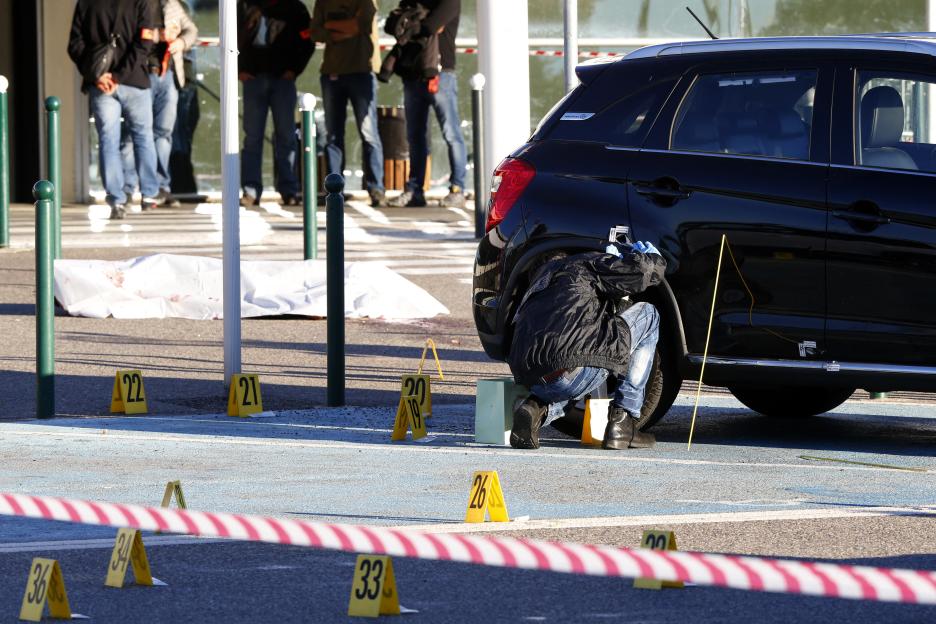 The airport of Bastia was the scene of a terrifying shootingCredit: AFP
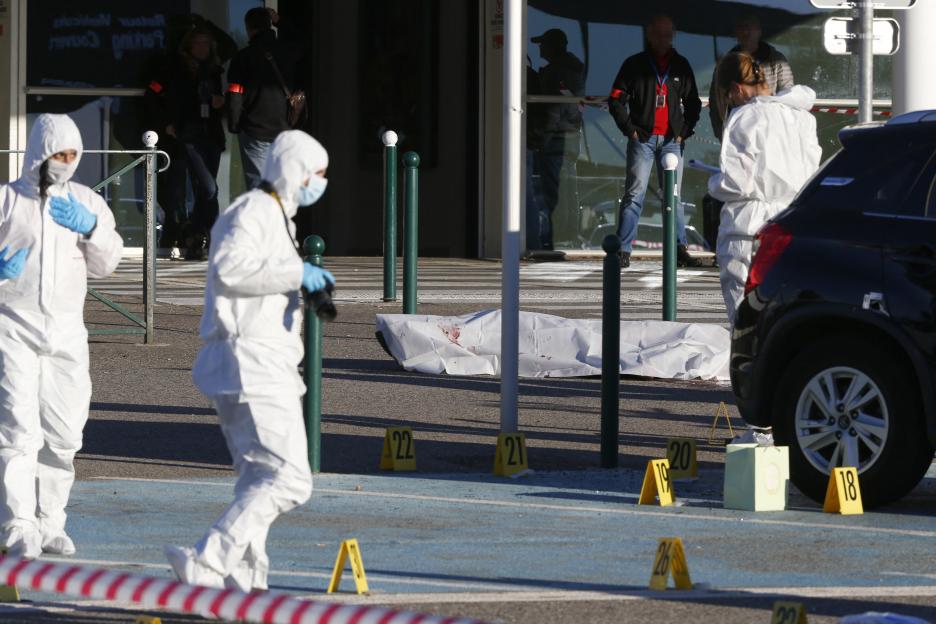 Forensic police work near the body of Antoine QuilichiniCredit: AFP
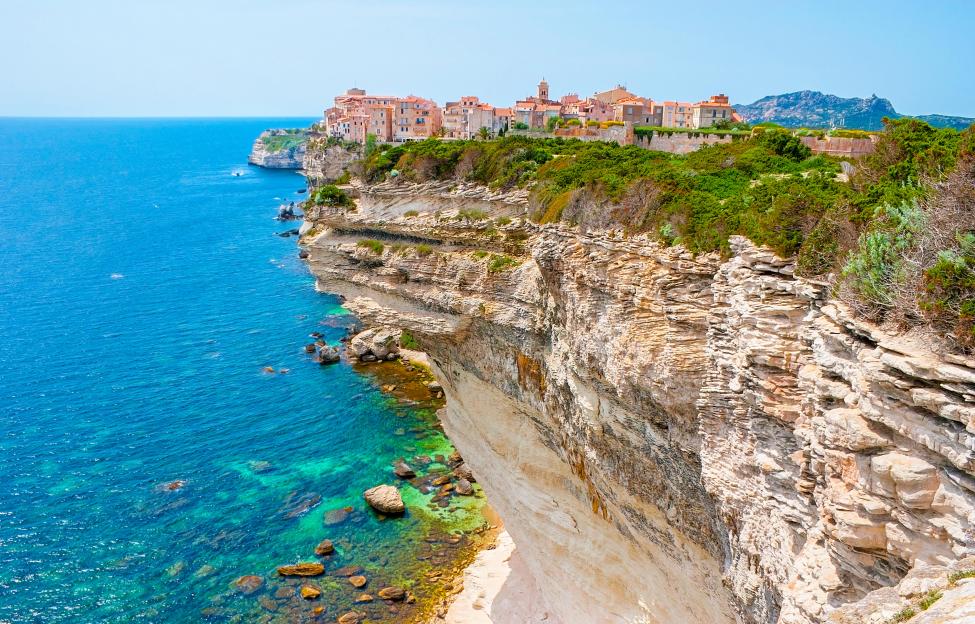 Corsica’s stunning coastline has proved a major draw for touristsCredit: Alamy