AS many as 70 Brits have been jailed in the United Arab Emirates for filming the carnage unleashed by Iranian missiles and drones, it has been reported.
More and more foreigners have fallen victim to the draconian cyber-crime laws in the oil-rich state since the start of across the Gulf region.
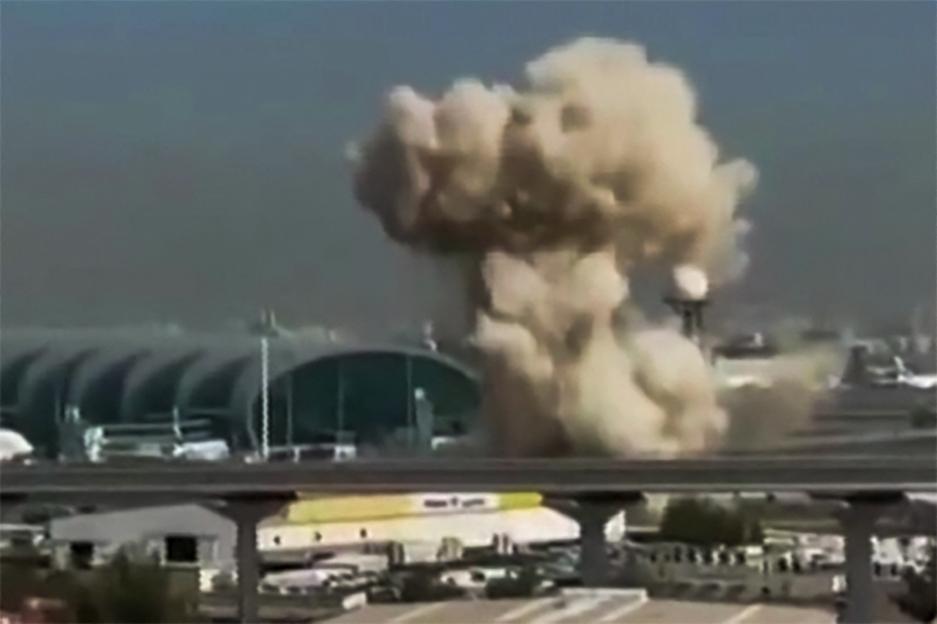 This video grab taken from UGC images posted on social media on March 7, 2026 shows smoke rising from the Dubai International AirportCredit: AFP
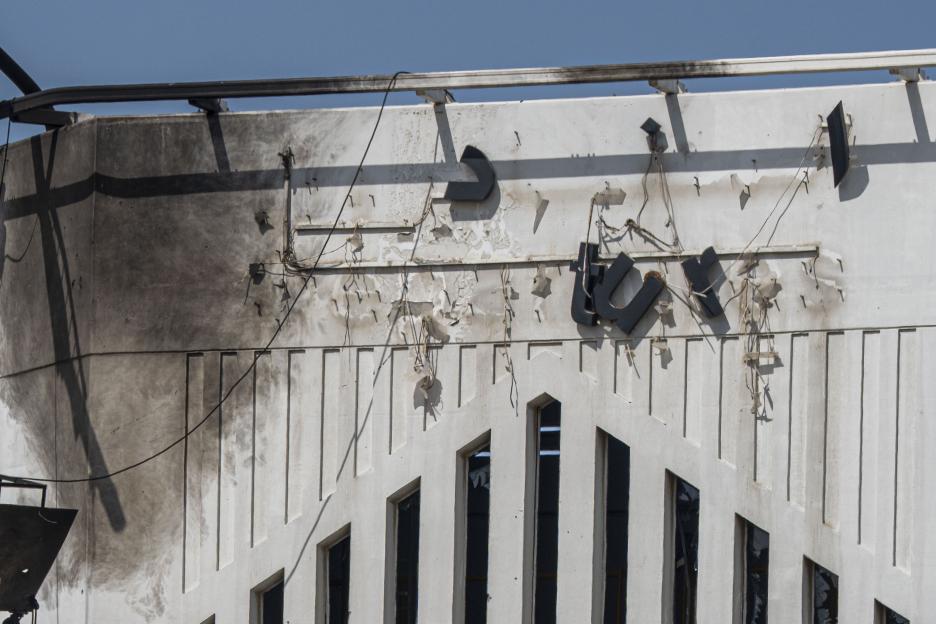 Aftermath of a suspected Iranian drone strike on Dubai International Airport at the start of the monthCredit: Ian Whittaker
, Dubai has been more hellbent on guarding its carefully constructed brand as safe and glamorous travel destinations, which has led to the arrests.
David Haigh, founder of human rights group Dubai Watch, revealed that he is representing eight Brits.
Local lawyers tell him that at least 35 citizens have been detained in Dubai, and a similar number in neighbouring Abu Dhabi.
Among the detained Britons is a London-based air steward for the budget airline FlyDubai, the Daily Mail reported.
“Dubai is a corporation, a gleaming global brand desperate to keep the facade intact,” Haigh said.
“So, once tourists and expats take photos of a missile intercept, or a drone strike, they become the enemy.
“They are arrested, vanished, threatened, charged, forced to report their friends, and face years in jail.”
The shocking number of British nationals arrested comes from two UK-based campaign groups working with Emirati lawyers.
In some cases, they were made to sign statements in Arabic they did not understand, it is claimed.
Of the Brits detained, only five are believed to be receiving consular help.
Meanwhile, Sky News reported that 10 Brits have been arrested in Dubai after taking pictures and videos of .
Five have been released, with most given fines.
Radha Stirling, chief executive of Detained in Dubai, said: “We’re talking approaching 50 to 70 was my estimate, and possibly even more.”
“I think by the end of this we’ll see a lot more, possibly 100, maybe 150.”
She also explained the difficulties behind obtaining accurate figures.
“We won’t really know the true extent until after people have left the country and are free to actually talk,” she said.
“It is difficult to ascertain numbers from different embassies, and not everyone contacts their embassy to inform them of their arrest.”
Stirling previously told The Sun that the legislation is “deliberately very broad” and in times of war it is .
“Families of people being detained now under cyber-crime laws for taking photos and videos… are not sure what their loved ones have been charged with yet,” she said.
The UAE's cryptic cyber-crime laws
THE UAE’s cyber-crime laws are among the strictest in the world.
People can face fines of up to £57,000, lengthy detention, and travel bans for social media posts that authorities consider harmful to “public order”, “national unity” or the reputation of the state.
Detained in Dubai warns that the legislation is “deliberately broad” – and in times of war they become even more dangerous.
Almost anything critical of government policy or regional conflict can be interpreted as a crime.
In practice, commentary about regional conflict, government policy or security matters can be interpreted as a criminal offence.
Sharing advice about what to do and what not to do in the country, the organisation said: “Do not assume your home country’s free speech protections apply in the UAE. They do not.
“Do not assume that sharing international news coverage is safe. It may not be.
“Do not assume that deleting a post removes liability. It often does not.”
“We are waiting for more details, but it could be sharing news, it could be commenting on a post on social media. It is very very broad.
“And once people are charged, it is unclear what they have done wrong.”
The UAE Public Prosecution Office previously warned against publishing or circulating “rumours” amid Iranian attacks.
The advice on the Foreign Office website for people travelling to Dubai warns of the dangers.
“It is illegal to post material, including videos and photographs, online that is critical of the UAE government, companies or individuals, or which relates to incidents in the UAE,” it reads.
“This includes material which appears to abuse, ridicule or criticise the country or its authorities.
“Material that is culturally insensitive may also be considered illegal.”
The Sun has contacted the Foreign Office for a response.
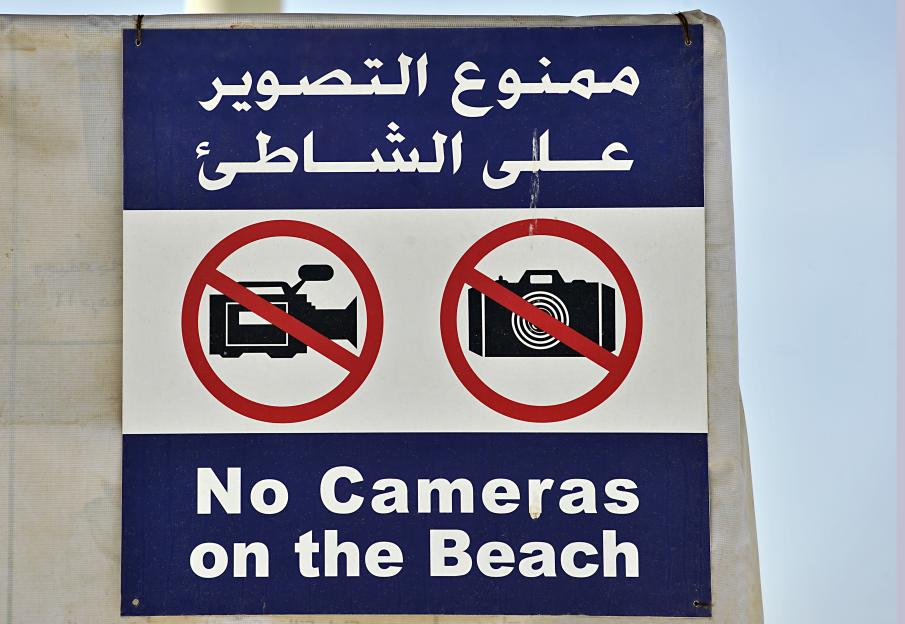 Warnings to people in the UAE to not film anything on the beach
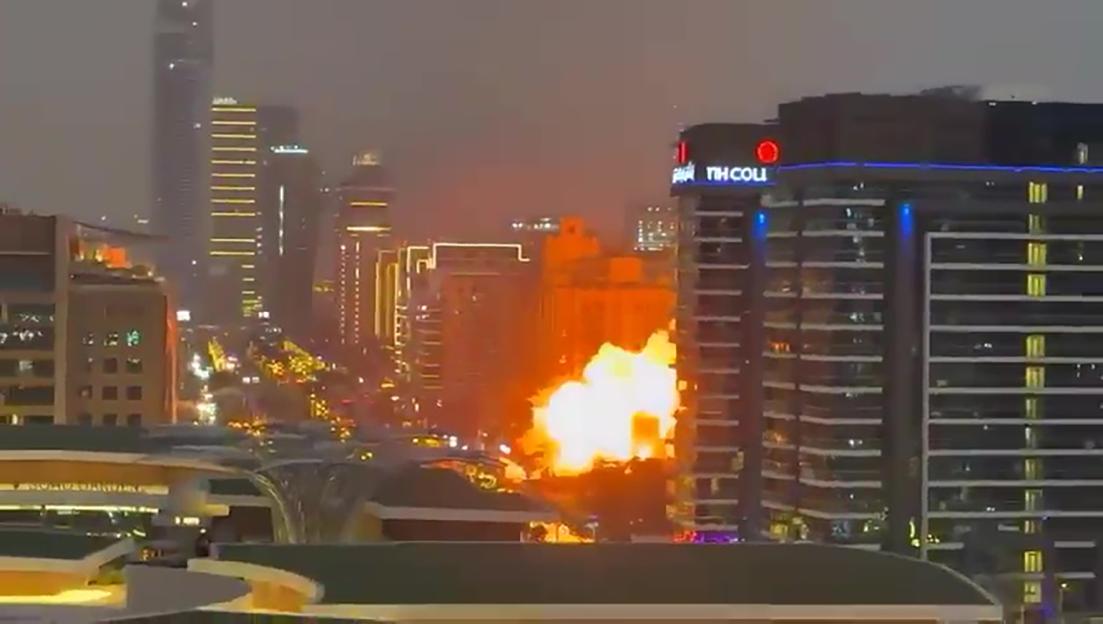 The moment a drone hits the Fairmont Hotel in Dubai on February 28Credit: Not known, clear with picture desk