Table of Contents
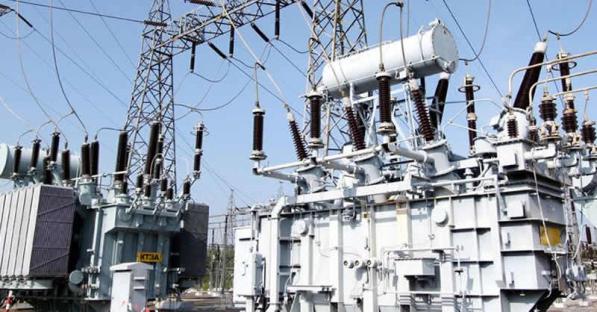
Nigerians faced four national grid failures on Monday, December 29, 2025, resulting in widespread blackouts across the country.
This grid failure caused significant financial losses for businesses, firms, and individuals who depend on the national grid for their electricity supply.
The collapse occurred at approximately 2:02 PM on Monday, as reported by the Abuja Electricity Distribution Company, impacting areas in Abuja, Nasarawa, and Kogi states.
However, an update on social media from the Nigeria National Grid indicated that electricity allocation to distribution companies increased from 50 megawatts at the time of the collapse to 2,958 MW by 10:17 PM that evening.
Following the restoration efforts initiated on Monday night, Abuja DisCo received 453 MW, Ikeja DisCo 447 MW, Eko DisCo 380 MW, Ibadan DisCo 354 MW, Benin DisCo 241 MW, Enugu DisCo 230 MW, Port Harcourt DisCo 210 MW, Kano DisCo 199 MW, Kaduna DisCo 191 MW, Jos DisCo 167 MW, and Yola DisCo 86 MW.
Nevertheless, as of Monday night, DAILY POST reported that electricity supply had not been restored to most Nigerians, with major distribution companies confirming ongoing blackouts.
According to DAILY POST, Nigeria experienced four national grid failures in 2025, occurring on February 12, March 7, September 10, and December 29, compared to over 12 collapses the previous year. This situation highlights the persistent challenges in Nigeria's power sector that have lasted more than a decade.
Commenting on the recent grid failure, Dr. Muda Muda Yusuf, the Chief Executive Officer of the Centre for the Promotion of Private Enterprise, expressed disappointment that the country continues to face grid collapses.
He warned that businesses could incur substantial losses if the issue is not resolved within 24 hours.
“We believed we had moved past this, as this year has been relatively stable. However, this collapse is an unfortunate way to end the year. We can only hope for a swift resolution,” he stated.
Similarly, Oyebode Fadipe, a former spokesperson for the Abuja Electricity Distribution Company, expressed his concern regarding the recent collapse of Nigeria's national power grid, calling it alarming, particularly during a time of low electricity demand.
Fadipe noted that grid failures during festive periods are especially concerning because electricity demand typically decreases during this season.
He explained that many businesses and industrial users usually halt operations for the holidays, resulting in reduced pressure on the grid.
Despite the decreased demand easing stress on the system, he emphasized that it does not eliminate the risk of a grid failure.
He pointed out that significant technical faults or external disruptions could still lead to a collapse.
Fadipe stressed that the exact cause of the latest outage is still unknown, complicating efforts to draw definitive conclusions.
However, he suggested that renewed vandalism of gas pipelines might be a factor, recalling that similar incidents had recently disrupted power supply and required intervention from the Nigerian Independent System Operator (NISO) for several days.
He lamented that ongoing grid failures at this stage of the power sector’s development indicate deeper structural issues within the Nigerian Electricity Supply Industry (NESI).
Looking forward, Fadipe expressed skepticism that 2026 would be markedly different from previous years in terms of grid stability unless proactive measures are taken to resolve underlying issues.
He expressed hope that effective policies and reforms would be enacted to prevent further decline in the power sector and enhance the reliability of electricity supply across the nation.
“The grid's collapse during a period of low demand is concerning. The pressure on the grid during festive seasons is usually low because many businesses close for the year. However, this drop in demand does not guarantee that a grid failure won't occur, as other factors, such as major faults, could also cause it,” he noted.
“Ultimately, the fact that we are still facing grid outages at this point in the sector's evolution is disappointing. Looking at what 2026 has in store, there is little to indicate it will be any different from previous years. We can only hope that the right policies will be implemented to ensure that the NESI does not regress,” he told DAILY POST.
DAILY POST also reported that the recent grid failure coincided with the Minister of Power, Adebayo Adelabu, failing to deliver on his promise of providing 6,000 megawatts of electricity in 2025.
FAQs
What caused the national grid collapse in Nigeria?
The exact cause of the national grid collapse remains unclear, but factors like major technical faults or external disruptions, including potential vandalism of gas pipelines, may have contributed to the failure.
How does the national grid collapse affect businesses?
The collapse leads to significant financial losses for businesses that rely on the national grid for electricity, especially if the issue is not resolved quickly.
Is electricity supply being restored after the collapse?
While electricity allocation to distribution companies increased after the collapse, the majority of Nigerians had not yet experienced restored electricity supply as of Monday night.